P2P exchanges: creating flexibility in a non-custodial way of trading
Centralized exchanges are losing ground to decentralized solutions, primarily due to their reliance on third parties, which leads to security vulnerabilities. While these exchanges come with an established infrastructure and regulatory compliance framework, their centralized control exposes them to issues of censorship and manipulation, as well as security breaches and hacks.
The rise of decentralized exchanges is based on cryptocurrencies that have become resilient, such as Bitcoin. They can be described as decentralized marketplaces or peer-to-peer platforms where investors or traders exchange digital assets directly with each other. Therefore, they can buy P2P Bitcoin quickly, safely, and efficiently, as the platform serves as the only intermediary between users, who leverage crypto predictions to benefit from the most lucrative prices.
With features that support a seamless trading experience and effortless interactions, P2P exchanges enable users to shape their own path in buying and selling cryptocurrency. Here’s more about it.
Also Read – JoinX Funded Prop Trading Review – A Breakdown of the Free Funding
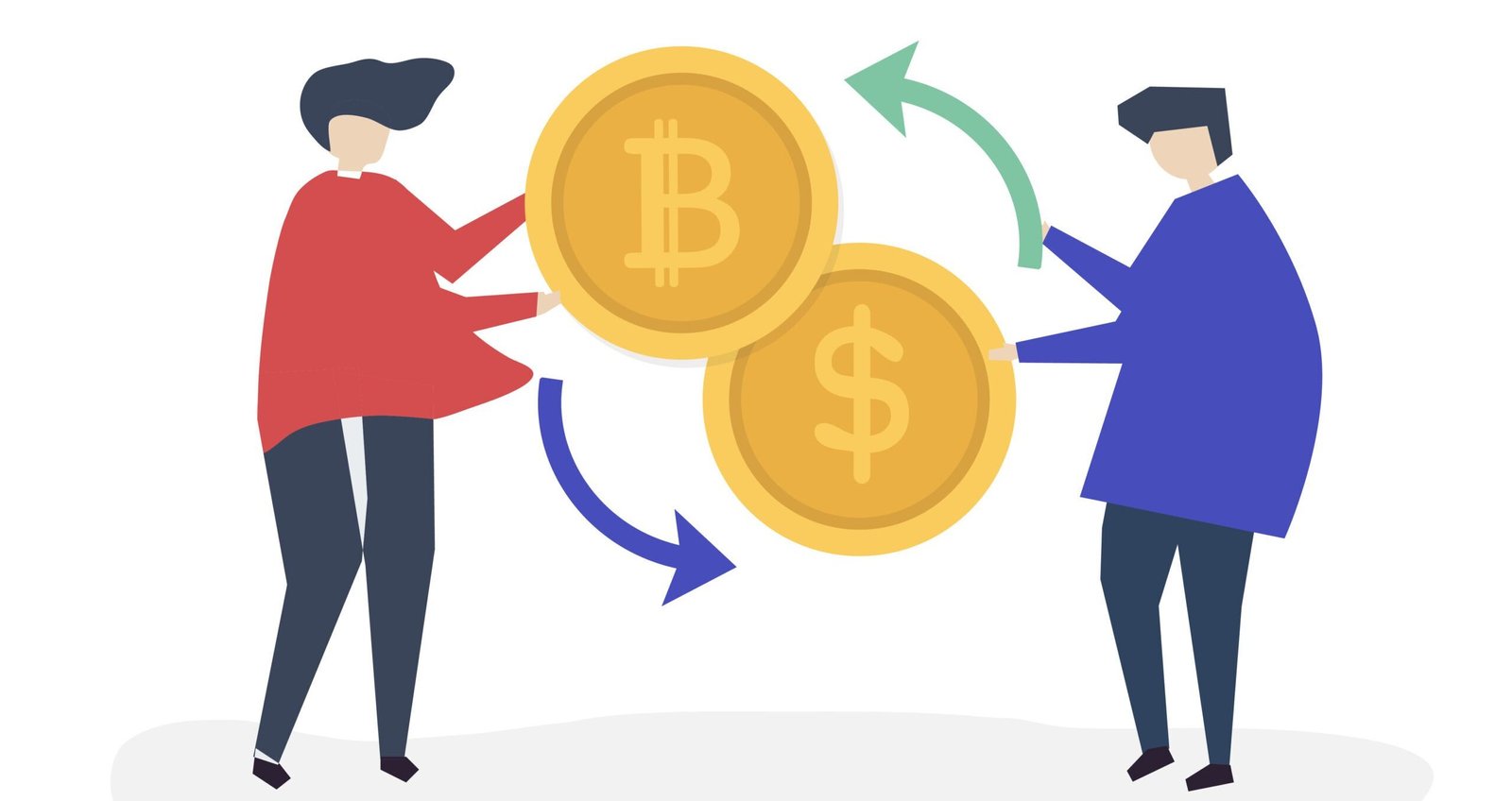
How is P2P trading different from traditional platforms?
The process of P2P trading enables users who buy or sell cryptocurrencies to settle these transactions directly with each other, without the need for intermediaries, through the use of a decentralized exchange.
P2P trading goes like this:
- The user creates an account on the platform and posts their trade offer.
- The platform’s matching engine connects them with an interested buyer or seller.
- After the trade is initiated, the platform holds the assets in an escrow account for safety.
- When the buyer completes the payment, the assets are released from the escrow.
In some cases, people reach a disagreement, so the platform offers dispute resolution services to help settle the issue.
Considering the process, P2P trading is considerably different from traditional trading, where third parties are involved during transactions, and users have limited choice in selecting their trades. Third parties also incur additional fees, and transactions may take longer to process.
What are the advantages of P2P trading?
P2P trading supports the adoption of cryptocurrencies through fast and safe services. Considering the growing popularity of these decentralized assets in a centralized world, offering a trading platform to investors and traders is essential to keep pace with the future of finance.
For example, data from crypto exchange Binance.com shows how different crypto projects benefit from strong market momentum or experience news-driven surges, pushing the market forward. Changpeng Zhao, Founder and Former CEO at Binance.com, stated that “Crypto market cap could reach $5 trillion as institutional demand grows.” This is supported by the innovation that the industry could bring to different sectors of the real world.
The primary benefit of P2P trading is global accessibility, as these decentralized exchanges operate without geographical restrictions, allowing anyone worldwide to trade cryptocurrencies. They also have full control over their assets due to the platform’s decentralized nature, in addition to lower costs, enhanced security, and greater privacy.
What makes P2P trading platforms efficient?
Several features established the P2P technology as efficient for cryptocurrencies. For example, the escrow system helps prevent fraud and disputes, as it is responsible for holding the funds until the transaction is completed. Additionally, it automatically transfers the funds to the buyer once they settle the trade, as agreed upon with the seller.
P2P platforms introduce multi-payment support, allowing all users to make transactions using their preferred payment method. Digital wallets, bank transfers, as well as credit and debit cards, are the most commonly accepted payment methods; however, these options may vary depending on the exchange.
What’s most interesting about P2P platforms is their advanced machine learning engine that connects buyers and sellers based on their trade preferences. Therefore, buyers and sellers are linked based on their price requirements, trading volumes, and location.
Advanced security features are also present in P2P trading exchanges, including multi-factor authentication, end-to-end encryption, and secure wallet connections, which enable users to protect their account information and funds.
Should companies invest in the development of crypto exchange platforms?
Cryptocurrency exchanges are continually evolving, making them increasingly attractive to businesses seeking to tap into a new target audience. The business opportunity of tapping into the decentralized world is often underrated, but it has many benefits, such as the following:
- It’s got market demand. Users who prefer privacy and decentralized control push for the market to grow, uncovering long-term profitability;
- It has a competitive edge. P2P platforms tend to stand out in the market due to their smart contract integrations and AI-driven matching engines.
- It has revenue opportunities. Companies establishing P2P exchanges can acquire revenue from transaction fees, premium features, as well as staking or lending services.
P2P exchange platforms are considerably scalable considering their decentralized features. Therefore, they enable brands to grow in line with user demand, allowing them to accommodate higher trading volumes while maintaining optimal performance.
What’s the future of P2P exchanges?
P2P exchanges are just making their breakthrough on the market, but future updates will prepare the sector for the growing demand through these trends:
- Decentralized Finance (DeFi) tools like lending and staking will enhance utility.
- Seamless trading due to cross-chain compatibility will become the norm.
- AI-based solutions will help detect fraud and personalize trading.
- Mobile-based exchanges will support accessibility and convenience.
The primary challenge P2P trading exchanges may face is the absence of regulatory frameworks across the cryptocurrency, blockchain, and decentralization sectors. Although there is currently a trial-and-error approach to the legal management of digital assets (as seen in the US “Genius Act” and EU “Markets in Crypto Assets”), there is still much more to explore regarding the industry.
Trading cryptocurrencies on decentralized exchanges requires additional support to prevent illicit activities, including money laundering and fraud. Assessing tax rules is not enough to help create a safe industry, as individuals and companies should be confident in their investments.
Conclusion
P2P exchanges have enabled worldwide investors and traders to buy and sell assets directly with each other, eliminating the need for third-party intermediaries. These decentralized platforms facilitate matching interactions between users and rely on escrow systems to secure the assets until the other party has fully assessed the transaction. P2P exchanges offer the benefits of security, low transaction fees, and global accessibility, making them an ideal trading system.