How AI and IoT Are Transforming Home Appliance Assembly Lines
- 0.1 Why AI and IoT Matter on the Line (Not Just in Kitchens)
- 0.2 How Smarter Robots and Sensors Keep the Line Moving
- 0.3 Predictive Maintenance: Problems Solved Before They Start
- 0.4 Data That Speaks: From Guesswork to Real-Time Action
- 0.5 A Real Example: IoT in Home Appliance Assembly
- 0.6 The Future of the Line: What’s Coming Next
- 1 Wrapping Up: Why It Matters for Business
Picture the assembly lines of decades past: machines running in rigid sequences, workers repeating the same motions, and any hiccup bringing production to a halt. Today, that setup is being replaced by something far more responsive. Artificial intelligence and connected devices are giving these lines the ability to think, adjust, and keep moving. SanHok, the leading home appliances assembly line & conveyor manufacturer, has seen how these technologies are reshaping modern production. What was once a mechanical routine is now becoming a living system: faster, smarter, and harder to stop.
Why AI and IoT Matter on the Line (Not Just in Kitchens)
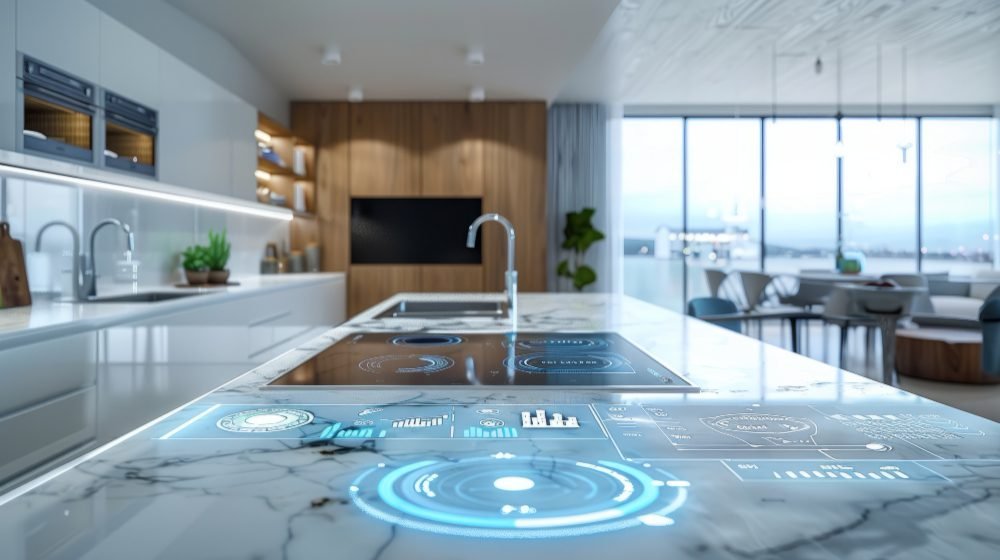
When people hear about AI or IoT in appliances, they often think about fridges that remind owners to buy milk or ovens that can be controlled remotely. But the real transformation is happening behind the scenes. The same technologies are reshaping how appliances are built in the first place.
On the factory floor, AI can analyze data streaming from machines and spot patterns instantly. IoT sensors provide visibility across every station, showing managers exactly how the line is performing. For manufacturers such as SanHok, these tools represent a major shift that improves output, quality, and efficiency.
How Smarter Robots and Sensors Keep the Line Moving

Think of robots that do not just repeat motions but adjust on the fly. Modern robotics, paired with IoT sensors, can fine-tune its actions based on live feedback from the line. Sensors track factors like temperature, vibration, or positioning, feeding information into AI systems that guide the next move.
Instead of waiting for human oversight, the line can respond automatically. A robotic arm might correct its path, or a conveyor could slow slightly to keep flow balanced. This adaptability means fewer interruptions and more consistent results. SanHok incorporates robotics and sensor systems into assembly operations, giving manufacturers greater flexibility in production.
Predictive Maintenance: Problems Solved Before They Start
Imagine catching a failure before it happens. Predictive maintenance makes this possible by combining IoT monitoring with AI analysis. Sensors might detect unusual vibrations or a rise in heat from a motor. On their own, those details may seem minor, but AI can connect the dots and flag the risk of failure.
Instead of waiting for a breakdown, maintenance crews can step in at the right time, replacing a part or making adjustments before operations are disrupted. The result is less downtime, lower repair costs, and a safer environment for workers. Many companies that collaborate with SanHok view predictive maintenance as a practical way to strengthen both efficiency and reliability.
Data That Speaks: From Guesswork to Real-Time Action
With IoT devices feeding a constant flow of data, every part of the assembly line becomes visible in real time. Managers no longer rely on end-of-shift reports or spreadsheets; they have live dashboards showing exactly what is happening.
This visibility turns decision-making from guesswork into confident action. Production schedules can shift instantly with demand. Quality control becomes sharper as AI scans outputs continuously instead of relying on samples. Even staffing can be optimized, with clear insights into where support is most needed. For SanHok and its partners, this real-time intelligence is one of the strongest drivers of long-term competitiveness.
A Real Example: IoT in Home Appliance Assembly
One manufacturer embedded sensors across its assembly equipment and linked them to a central system for live monitoring. The data revealed hidden delays between workstations, problems that were not obvious during daily operations.
By adjusting workflows, the company eliminated those bottlenecks and saved valuable time. Over weeks, the small gains added up to a significant boost in efficiency. This example shows how IoT and AI do not just promise improvements; they deliver measurable results on the production floor.
The Future of the Line: What’s Coming Next
Here is a glimpse of what lies ahead. Collaborative robots, or cobots, will work alongside people, taking on repetitive or heavy tasks while humans focus on oversight and strategy. Digital twins, virtual models of the assembly line, will allow managers to test changes and spot issues before they affect production. Agile lines will switch seamlessly between product types. And as AI advances, fully autonomous lines that manage themselves from start to finish are becoming less science fiction and more likely reality.
Wrapping Up: Why It Matters for Business
AI and IoT are more than add-ons; they are reshaping how appliances are made. Smarter robots keep production flowing, predictive maintenance prevents costly breakdowns, and real-time data empowers sharper decisions. Together, these changes bring efficiency, savings, and resilience.
The next question is not whether to adopt, but when. Organizations that invest now position themselves to stay competitive in a market that will not wait. At SanHok, these technologies are viewed as essential building blocks for the future of assembly. The line is already moving forward, and the choice is clear: move with it or risk falling behind.