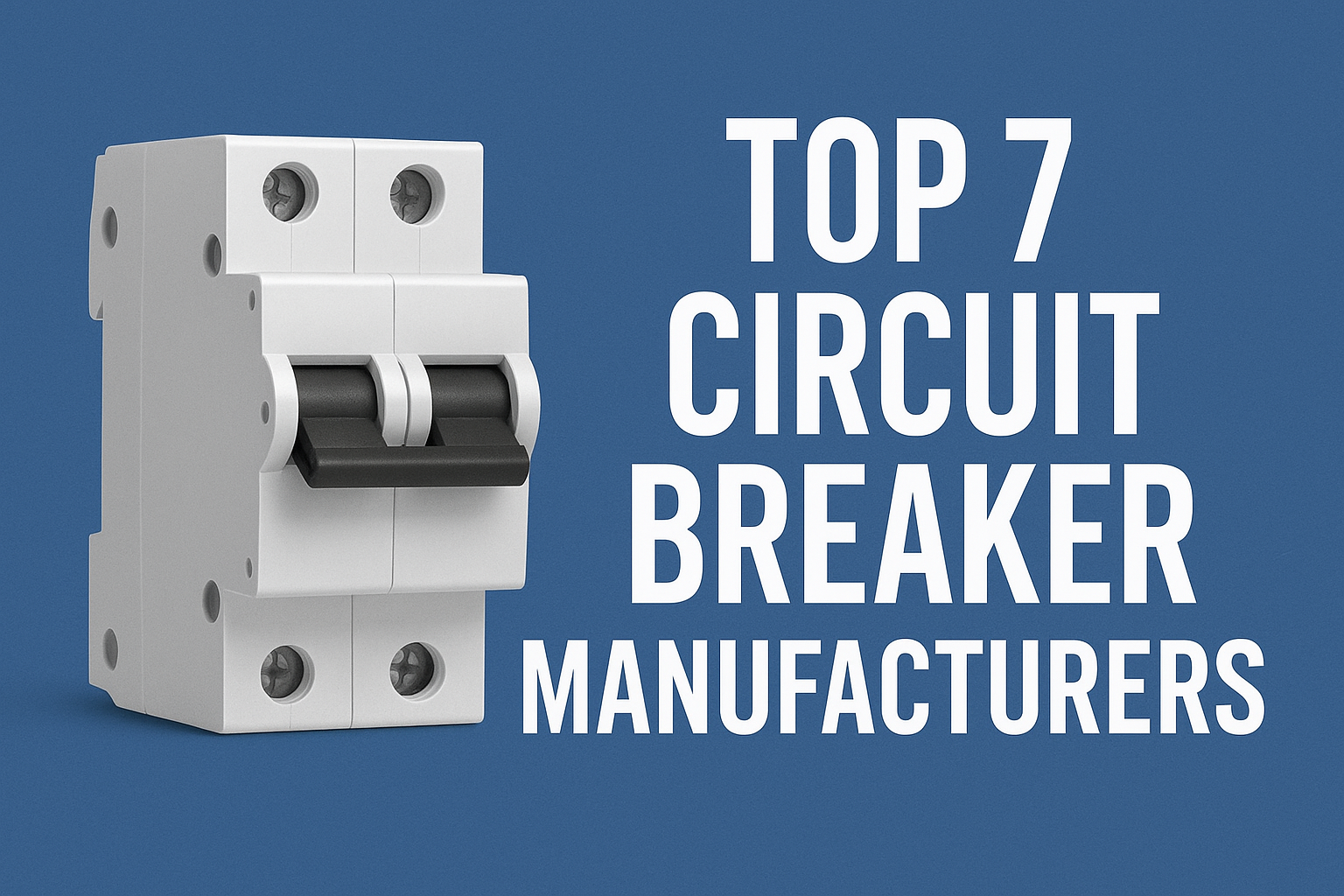
Top 7 Circuit Breaker Manufacturers
When people ask me to recommend a circuit breaker manufacturer, it’s never a one-size-fits-all answer. Some buyers want global support and advanced features, while others need quick delivery and custom builds that bigger names don’t always provide. Having worked with both contractors and distributors, I’ve seen the strengths of established players like ABB, Schneider, and Siemens, as well as rising companies like Radin from China, which has carved out a niche by offering flexible breaker-based systems.
Here are seven manufacturers that consistently stand out, each with its own advantages depending on the project.
7 Best Circuit Breaker Manufacturers
ABB

ABB, headquartered in Switzerland, was created in 1988 through the merger of ASEA (Sweden) and BBC (Switzerland). Today, they are one of the biggest names in power and automation, operating in more than 100 countries. ABB’s breakers are known for their long service life and ability to handle demanding environments. I’ve seen their MCCBs run reliably in factories where dust and heat would normally shorten equipment lifespan.
Their range covers residential, commercial, and industrial applications. Miniature circuit breakers (MCBs) protect small circuits, molded case circuit breakers (MCCBs) offer adjustable settings for higher currents, and air circuit breakers (ACBs) provide advanced protection for large installations. ABB also produces smart circuit breakers with monitoring capabilities, making them a strong choice for facilities moving toward automation. Their in-house production and global service network add confidence, though their higher price point sometimes puts them out of reach for smaller buyers.
Schneider Electric
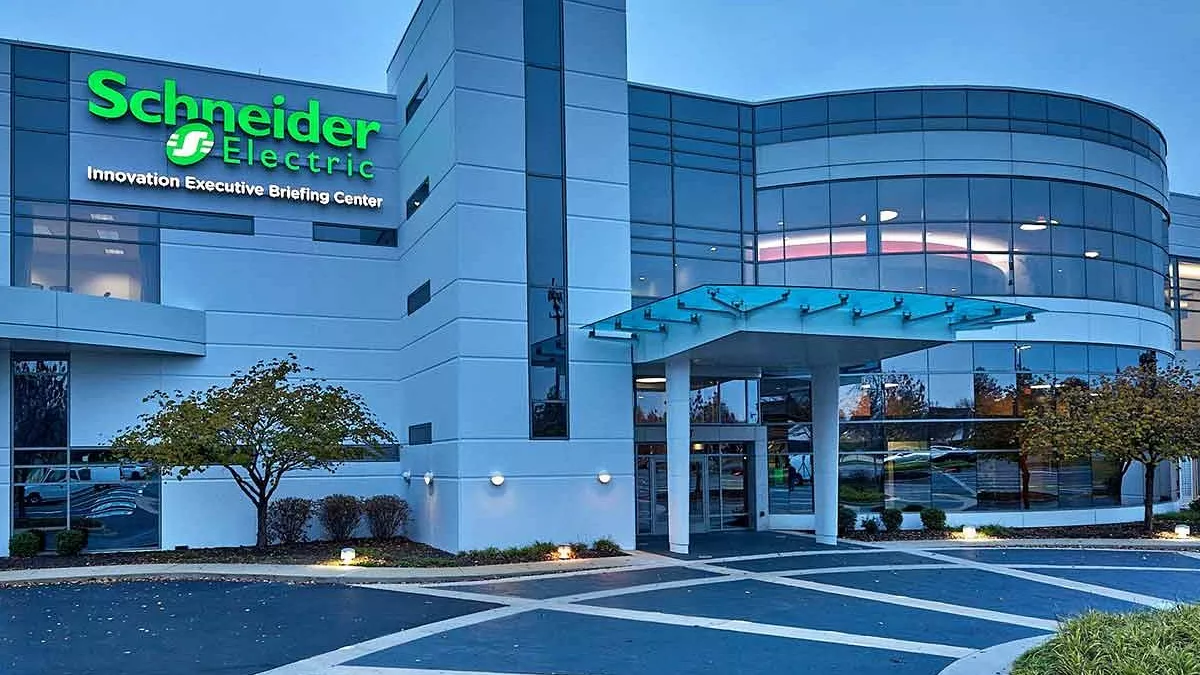
Founded in 1836 and based in France, Schneider Electric has a long history in energy management and industrial automation. They’ve positioned themselves as a leader not only in circuit protection but also in building connected systems. Their Acti 9 series is widely used in residential and commercial buildings for everyday protection, while their Compact NSX MCCBs and MasterPact MTZ ACBs offer advanced monitoring and integration with digital platforms.
What stands out with Schneider is its ecosystem approach. Their breakers work seamlessly with other Schneider components, energy dashboards, and software. For contractors and integrators, this reduces errors and speeds up panel assembly. Schneider also puts strong emphasis on sustainability, which appeals to projects with environmental certification requirements like LEED. The only drawback is that they tend to favor bulk orders, so small-scale buyers sometimes find it harder to source directly.
Radin (RDN Controls)

Radin, also known as RDN Controls, operates from Yueqing, Zhejiang, China, and has been in the business since the early 1990s. Over time, they’ve gained recognition as a reliable manufacturer of low-voltage equipment, with a special focus on breaker-based automatic transfer switches (ATS), modular power distribution, and custom control panels. Unlike the larger global players, Radin is flexible. They often build to order, which means contractors and system integrators can specify breaker brands, layouts, or enclosure designs to match unique project requirements.
Their systems are tested and certified to UL and CSA standards, which makes them suitable for installations in North America as well as Asia. They’ve also developed bypass isolation ATS systems for critical industries like healthcare and telecom, where downtime is not an option. Radin’s smaller size works to its advantage because engineering teams are directly involved with customers, which speeds up support and design adjustments. While they don’t have the long history of ABB or Schneider, they’ve built a reputation for responsiveness and quick delivery, especially for retrofit and OEM projects that require fast solutions.
Siemens

Founded in 1847 in Munich, Siemens is one of the world’s largest engineering and technology firms, with a footprint in more than 200 countries. Their SENTRON 3VA molded case breakers and SIRIUS 3RV2 motor starter protectors are widely used in industrial automation, while their 3WL ACBs serve power-hungry facilities such as plants and data centers. Siemens combines strong mechanical reliability with digital features, such as programmable trip units and energy monitoring modules.
What makes Siemens attractive is their forward-looking design. Their breakers are built to support smart grids, industrial IoT systems, and energy management platforms. For contractors, Siemens also offers extensive technical resources and training, which can shorten the learning curve for complex installations. The downside is that their documentation can be overwhelming, especially for first-time users, but once mastered, their products deliver long-term value.
Eaton
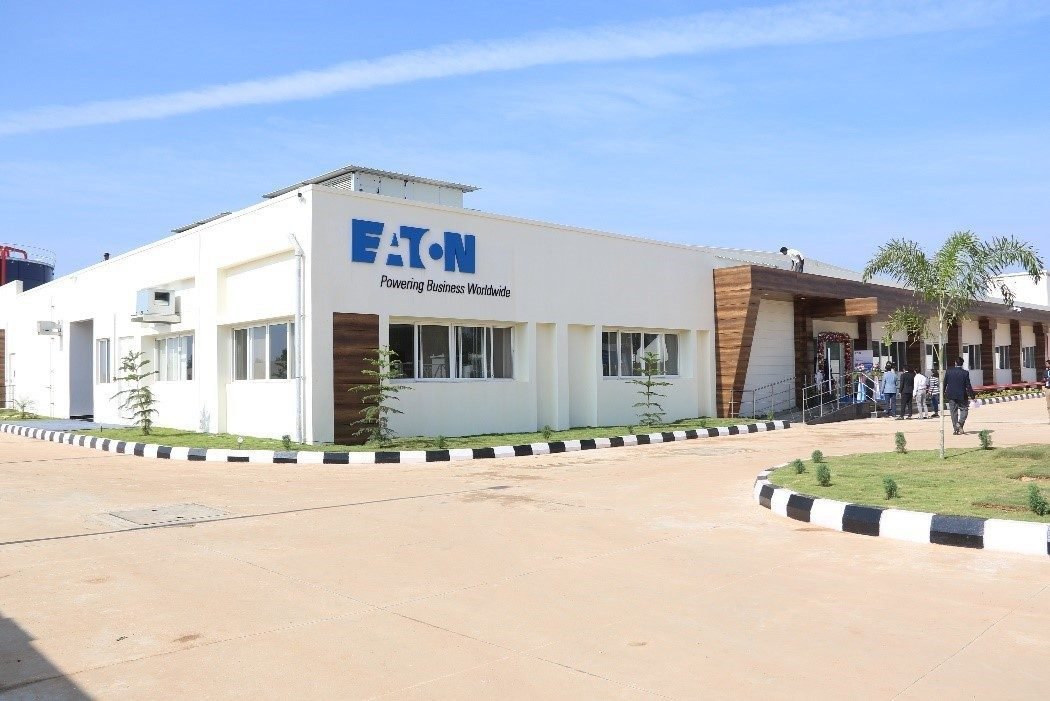
Eaton, originally founded in the U.S. in 1911 and now headquartered in Dublin, Ireland, is a global leader in power management with a presence in more than 175 countries. Eaton is particularly well-regarded for retrofit projects because many of their breakers are designed to match existing panel footprints. This makes upgrades more efficient and cost-effective, avoiding the need for complete rewiring.
Their lineup includes BR and CH residential breakers, Series G MCCBs for industrial use, and vacuum breakers (VCP-W) for medium-voltage systems. Eaton also integrates energy efficiency features, such as arc energy reduction and load sensing, which improve safety and reduce power waste. They strike a balance between affordability and performance, making them a strong choice for mid-tier projects. However, their product availability can vary depending on the region, which sometimes creates sourcing delays outside their core markets.
Mitsubishi Electric

Mitsubishi Electric, headquartered in Tokyo and founded in 1921, is a trusted global supplier of electrical and electronic equipment. Their breakers are popular for compact designs and reliable performance, which is especially useful in space-constrained panels. Their product range includes MCCBs, ACBs, MCBs, and DC breakers designed for renewable energy systems like solar arrays.
Mitsubishi breakers are widely used in factory automation and industrial applications because of their durability. They meet international standards, so they’re suitable for projects worldwide. I’ve seen their equipment perform well in installations where reliability is critical, but available panel space is limited. Their biggest drawback is that their online documentation doesn’t always keep pace with product updates, so it’s best to work with local distributors for the latest specifications.
Fuji Electric
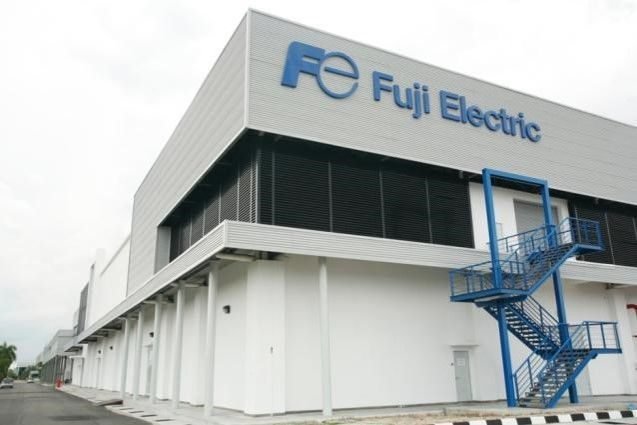
Fuji Electric, founded in 1923 in Japan, has specialized in compact and efficient power equipment for nearly a century. Their molded case and miniature breakers are widely adopted in OEM machinery and small modular panels, while their air circuit breakers support larger industrial and utility projects. Fuji also produces earth leakage and DC breakers for renewable energy systems, making them a flexible choice across different sectors.
What makes Fuji stand out is its reputation for reliability in tough environments. Their breakers are known to withstand heat, vibration, and dust, which makes them popular in manufacturing and transport applications. They also maintain a consistent supply chain across Asia, which helps ensure timely delivery. Outside the region, sourcing can sometimes take longer, but once installed, their products are generally low-maintenance and dependable.
Conclusion
Each of these seven companies brings something valuable to the table. ABB, Schneider, and Siemens dominate with global networks, advanced features, and long-established reliability. Eaton appeals to projects that require retrofit-friendly designs and energy-efficient protection. Mitsubishi and Fuji Electric shine with compact, durable solutions that meet international standards. And Radin stands out by offering customization, speed, and responsive support that larger brands often can’t match.
With these options, you can choose the manufacturer that best aligns with your project needs, whether it’s a small commercial build, a renewable energy system, or a large-scale industrial installation.