Security Challenges and Solutions in the Crypto Industry: What Future and Current Owners Should Know
- 1 Security Challenges to Know about and Be Ready to
- 1.1 Rise in crypto attacks and kidnapping attempts
- 1.2 Compliance failures
- 1.3 AI-driven attacks and deepfakes
- 2 Security Solutions That Bring Peace of Mind
- 2.1 Owners control the entire infrastructure,
- 2.2 Enterprise-grade protection
- 2.3 Advanced security measures
- 3 Bottom Line
Many people find the crypto industry very attractive to devote their time and energy to closing commercial transactions with cryptocurrencies. However, it is essential to remain realistic and always stay on the safe side, especially when making real bargains. The crypto industry steadily attracts criminals with varying skill levels and creativity.
However, the good news is that crypto platforms and providers have developed effective countermeasures to handle all possible security risks. Security professionals from BitHide have gathered the most important information about the modern security challenges you may face in the crypto industry and solutions that help secure your funds the most.
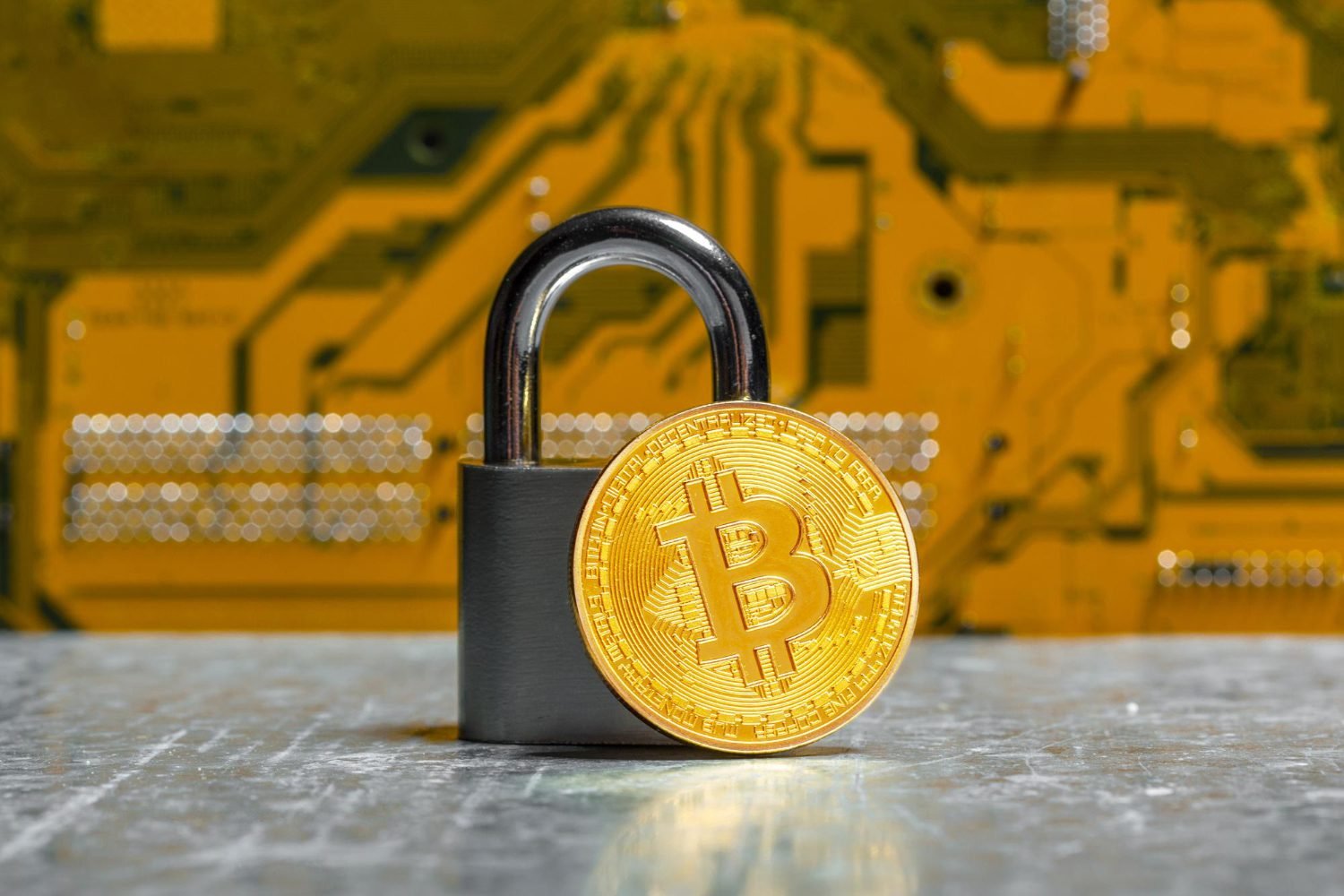
Source: Unsplash
Security Challenges to Know about and Be Ready to
The crypto landscape holds great promise for high yields, but the following cyber threats steadily mark it:
Rise in crypto attacks and kidnapping attempts
As crypto platforms and wallets scale their operations, they inevitably attract more cyber criminals. While cyberattacks remain among the most widespread challenges in the industry, recent trends also show a disturbing increase in kidnapping attempts. The root cause of both cases is the same—poor security in the services used by crypto owners, as criminals can get the owners’ personal details.
Compliance failures
Failure to implement appropriate security protocols for crypto-related services bears the risk of imposing severe fines and affects their customers. Balancing compliance with the legal standards across different regions while maintaining the flexibility of services remains a major challenge for many crypto platforms and wallets. It is particularly crucial when owners want to accept crypto as a form of payment.
AI-driven attacks and deepfakes
We are all accustomed to associating Artificial Intelligence (AI) with positive shifts and advancements solely. Unfortunately, AI can also be used for illicit activities. Hackers in the crypto industry simulate voices, video feeds, or messages using AI to induce owners to reveal sensitive information or otherwise authorize fraudulent transactions. Multi-factor authentication (MFA) usually ensures a high level of protection and is one of the most effective ways to combat AI-driven fraud.
Security Solutions That Bring Peace of Mind
Luckily, security professionals in the crypto industry manage to cope with the recent and emerging trends, often staying one step ahead in some areas.
Here are security highlights; once you see them, you can fully trust a specific crypto platform or wallet:
Owners control the entire infrastructure,
This is one of the most effective ways to minimize security threats. When the crypto payments gateway is entirely self-hosted, the owners retain full control and ownership over their wallets and private keys. This means you preserve complete oversight over your funds and transactions from start to finish. Self-hosting significantly reduces the reliance on third-party platforms and minimizes the exposure to potential breaches. This approach suits owners who prioritize privacy and security perfectly.
Enterprise-grade protection
Reliable crypto platforms and wallets already provide enterprise-grade protection. While the combination of specific implemented security measures may vary, a service that uses 512-bit encryption, two-factor authentication (2FA), PIN codes, fingerprint authentication, and real-time backups is highly secure and reliable.
Let’s break down these measures in greater detail:
- The 512-bit encryption surpasses industry standards, ensuring your data is encrypted at the highest level. It makes any unauthorized attempts to access your funds nearly impossible.
- The use of 2FA and biometric authentication adds an extra layer of security, as these measures require multiple forms of verification before granting access to financial and personal information.
- Real-time backups secure the owner’s personal and financial data, eliminating the risk of being lost due to system failures. These backups ensure that your assets and keys are always secure.
Advanced security measures
Some security solutions ensure crypto payments remain completely untraceable, making it impossible for hackers and criminals to link addresses or trace the flow of funds, thus maintaining the anonymity of transactions in full. Trusted crypto wallets and providers ensure that both the wallet data and server IP addresses are hidden from prying eyes, offering significant protection for funds and reducing the risk of attacks.
This high privacy level is critical to fully comply with major data protection standards, including the GDPR. These advanced security measures are particularly helpful for businesses that accept crypto as payment for products and services.
Bottom Line
The presence of cybercriminals in the crypto industry is not a valid reason to avoid making deals in this promising space. Many happy crypto owners already count for millions in their wallets or are doing business that accepts crypto payments. If you want to follow the same path, don’t forget about reasonable precaution measures and use secure services solely.