Tower Crane Downtime? Try a Hybrid Power System That Handles Heavy Starts
- 1 Why Do Tower Cranes Experience Downtime?
- 2 Cost of Crane Downtime on Construction Projects
- 2.1 Project Schedule Delays
- 2.2 Increased Labor Costs Due To Idle Time
- 2.3 Higher Fuel Consumption from Frequent Generator Restarts
- 2.4 Accelerated Wear And Tear on Equipment
- 2.5 Overall Project Profitability
- 3 Foxtheon EnergyPack P500 for Tower Crane Operations
Tower crane downtime is a routine headache on jobsites. Unplanned downtime across the industry can reach 20-30%, and cranes are no exception. Sometimes, the underlying cause isn’t mechanical, but electrical.
Fluctuations in power supply, such as voltage dips, transients, and harmonics, can trip crane drives, disrupt radio links, or trigger protection systems. What starts as a brief power event can escalate into hours of lost productivity.
Fortunately, hybrid power systems can reduce the electrical disturbances that lead to crane shutdowns by providing a more stable and responsive energy source. In this article, we’ll explore the root causes and costs of crane downtime and how hybrid power systems can keep your lifting operations running smoothly.
Why Do Tower Cranes Experience Downtime?
High Inrush Current during Startup
Tower cranes rely on large induction motors to power hoisting, trolley movement, and slewing. When these motors start across the line, at full voltage, they draw a massive inrush current, which can spike up to eight times higher than the motor’s rated (nameplate) current.
These surges place a sudden load on the power system, often pulling voltage down across the site. As a result, tripped breakers, nuisance shutdowns, or even upstream protection systems cut off supply. If multiple motors start at once, the voltage dips become more severe, leading to more trips, delays, and time lost while crews reset drives and inspect brakes.
Unstable Power Supply
Voltage sags and fluctuations are another frequent cause of crane downtime, especially on sites powered by generators or with long feeder runs. Even brief sags can cause major issues. Sensitive components like contactor coils, PLCs, and motor starters may drop out, triggering a crane shutdown for safety.
What’s frustrating is that these dips may be too short to even flicker the lights, yet still enough to stop crane operations. After a sag, the system often requires manual intervention, resetting controls, checking interlocks, or restarting drives, adding minutes or even hours of delay.
Poor grounding and long cable runs only worsen the problem, increasing voltage instability and making the site more vulnerable to nuisance trips.
Generator Overload
Many tower cranes on construction sites rely on temporary generators for power. But when motors start, they place a large, sudden load on the generator. If the genset is undersized or not properly tuned, this transient demand can cause voltage and frequency to dip, causing protection trips or even engine stalls.
When that happens, operators are left dealing with black starts, warm-up delays, and mandatory equipment checks before resuming work. All of this eats into valuable site time.
Proper generator sizing isn’t just about average load; it must account for block loads, motor starting kVA, and acceptable voltage dip limits. Without that, sites will continue to suffer overloads, nuisance trips, and unnecessary crane stoppages.
Cost of Crane Downtime on Construction Projects
Project Schedule Delays
When a tower crane goes offline, the entire project schedule can quickly slip, triggering costly delays. Industry reports show that a 30-day delay on a $10 million construction project can add over $300,000 in extra labor costs alone, and that’s before factoring in lost productivity and increased overhead.
As schedules fall behind, overtime expenses rise, supervision becomes more intense, and trade crews end up waiting on each other, driving inefficiencies that compound the problem.
Increased Labor Costs Due To Idle Time
Crane downtime leaves crews stranded — you’re still paying wages, but progress grinds to a halt and productivity drops. According to Milwaukee Tool’s One-Key platform, idle equipment costs can range from $448 to $760 per day per vehicle on construction sites, reflecting the real-world impact of trades waiting on lifts.
This downtime not only delays tasks but also drives overtime expenses and staffing challenges, pushing labor costs well beyond the original budget.
Higher Fuel Consumption from Frequent Generator Restarts
Many tower cranes run on oversized diesel generators that spend long periods idling, punctuated by sharp, short power peaks. This stop-start, low-load operation wastes fuel and reduces overall efficiency.
One common consequence is wet stacking, the buildup of unburned fuel and carbon deposits, which increases fuel consumption and accelerates wear on the engine. According to Axiom, wet stacking can boost fuel use by as much as 15%.
Pairing a smaller, properly sized generator with a battery energy storage system helps avoid unnecessary idling and frequent restarts. This approach reduces runtime, cuts fuel consumption, and extends generator life.
Accelerated Wear And Tear on Equipment
Downtime isn’t free: stop-start cycles and frequent recovery operations put extra stress on crane components, leading to costly repairs over time. Recent repair estimates show that typical crane fixes range from $1,000 to $10,000, while wire-rope or cable replacements can cost between $2,000 and $10,000. Hydraulic cylinder repairs add another $1,500 to $5,000.
Wire-rope replacement, in particular, is a significant overhead for overhead cranes, and corrosion or unexpected failures can quickly escalate both repair costs and downtime, further impacting your project schedule and budget.
Overall Project Profitability
When you stack all these costs, schedule delays, increased labor, higher fuel use, and equipment repairs, profit margins can shrink rapidly. Industry estimates suggest that unplanned downtime can consume 20-30% of a construction company’s revenue. Therefore, even brief crane outages can seriously strain budgets and reduce overall project profits.
Foxtheon EnergyPack P500 for Tower Crane Operations
By combining a battery energy storage system (BESS) with a right-sized diesel generator, hybrid power systems buffer high inrush currents, stabilize voltage, and reduce generator runtime, tackling the root causes of crane downtime head-on.
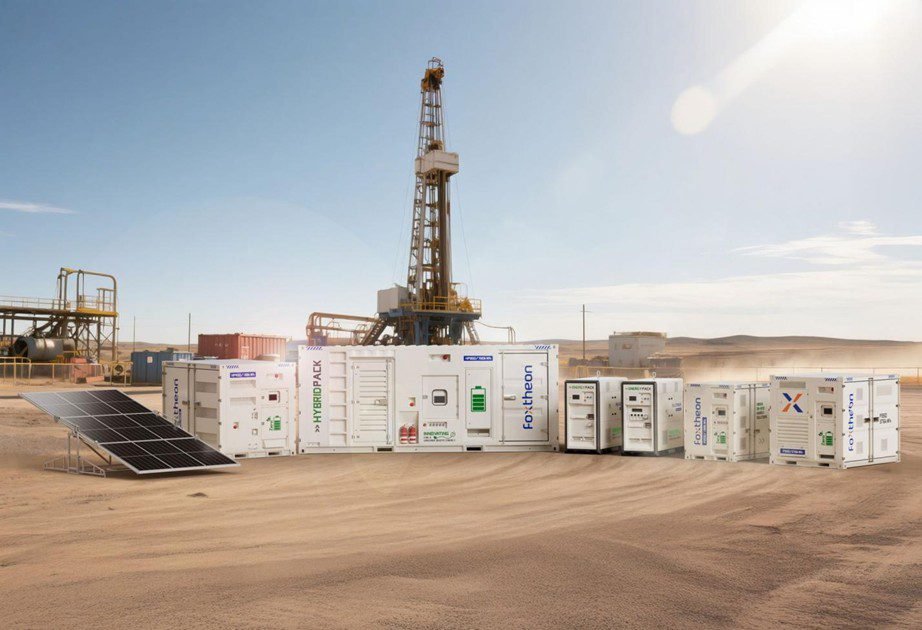
At Foxtheon, they specialize in hybrid power solutions built for the construction industry, addressing the unique challenges that cause downtime on construction sites. To meet these demands, Foxtheon EnergyPack P500 delivers reliable, efficient power to critical equipment like tower cranes, even under the most demanding site conditions.
Its key advantages include:
- Supports All Crane Start Modes: Designed to work with direct start, star-delta, and VFD crane motors, the EnergyPack P500 provides clean, consistent startup power even for high inrush equipment.
- Built for Heavy Surge Loads: Delivers 625 kVA peak power with strong surge tolerance, absorbing startup transients that would otherwise cause voltage dips, trips, or breaker faults.
- Proven to Cut Generator Runtime: In the hybrid mode, it reduces genset usage to just 1–2 times per week, lowering fuel consumption by up to 40% and maintenance costs through reduced engine hours and idling.
Downtime on tower cranes can escalate costs and delay projects, but with a hybrid power system, construction teams gain a reliable, efficient power solution designed to tackle the crane downtime challenge. Contact Foxtheon today to learn how the EnergyPack P500 can keep your cranes running smoothly and your projects on track.