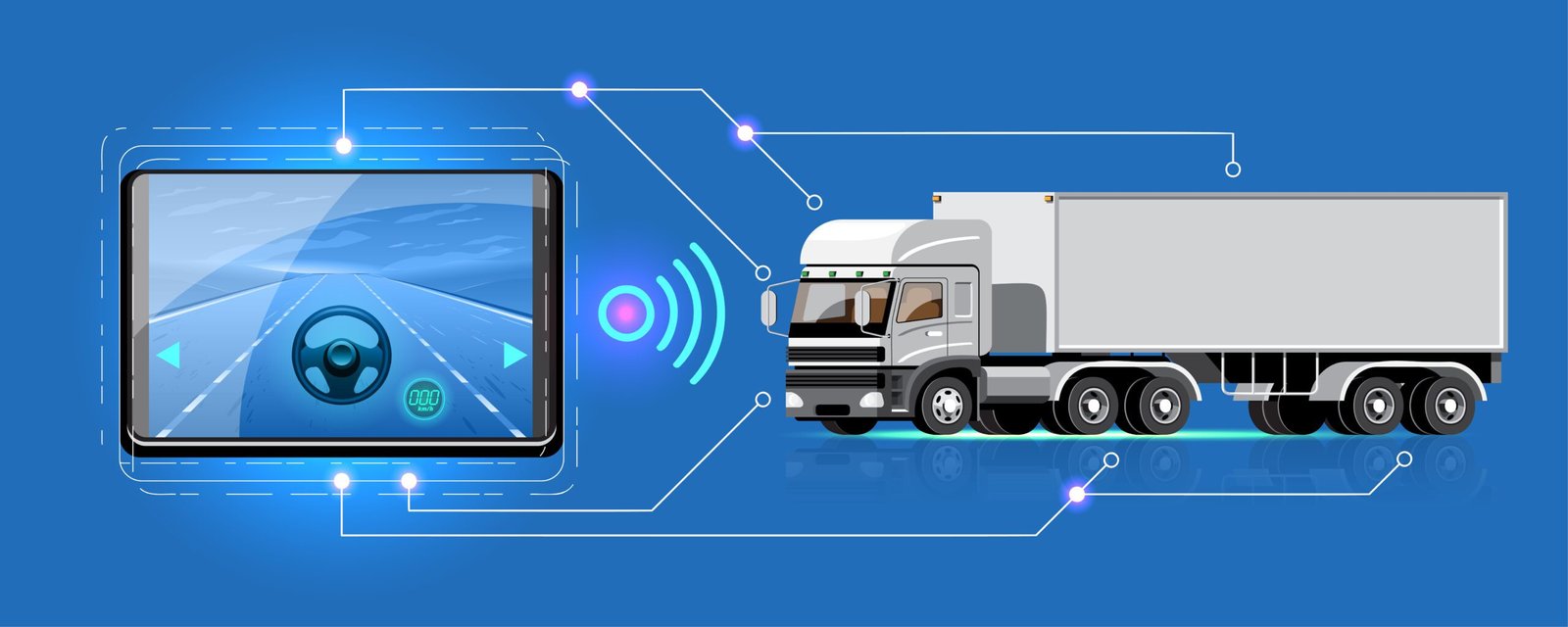
Truck Tech Trends: Exploring the Future of Autonomous Trucking Systems
- 1 The Evolution of Autonomous Trucking Systems
- 2 Key Technologies Driving Truck Tech Trends
- 3 Benefits of Embracing Autonomous Trucking
- 3.1 Enhanced Safety and Efficiency
- 3.2 Economic and Environmental Impact
- 3.3 Alleviating Driver Shortages
- 4 Challenges and Solutions in Implementing Autonomous Trucks
- 5 The Future Landscape of Truck Tech and Autonomous Systems
- 6 Final Thoughts
In the landscape of transportation, you stand at the cusp of a revolutionary shift in how goods are moved across the globe. The dawn of autonomous trucking systems promises a future where efficiency, safety, and sustainability redefine the logistics industry. Whether you’re looking for St. Louis truck accident lawyers, this article explores the cutting-edge trends shaping the future of autonomous trucking, providing insights into the innovations poised to transform the roads.
The Evolution of Autonomous Trucking Systems

Early Innovations
Autonomous trucking systems have made significant progress since their inception. Initially, the focus was on basic automation; systems that could assist with cruise control and lane-keeping. These early innovations laid the groundwork for the sophisticated technologies we see today.
Technological Milestones
Over the years, significant advancements have occurred in sensor technology, artificial intelligence, and machine learning. These breakthroughs have enabled trucks to process vast amounts of data in real-time, facilitating better decision-making on the road. As a result, modern autonomous trucks can navigate complex environments with increasing precision and safety.
Future Prospects
Looking ahead, the integration of 5G technology and enhanced vehicle-to-everything (V2X) communication will likely propel autonomous trucking to new heights. These advancements promise to improve route efficiency, reduce fuel consumption, and enhance overall logistics operations.
Key Technologies Driving Truck Tech Trends
Advanced Sensors and Cameras
Autonomous trucking systems are heavily reliant on advanced sensors and cameras, which serve as the vehicle’s eyes and ears. These technologies enable trucks to detect and analyze their surroundings in real time, ensuring safe navigation through varied terrains and weather conditions.
With improvements in high-resolution imaging and LiDAR capabilities, trucks can now make incredibly accurate judgments about nearby vehicles, road signs, and obstacles, thereby enhancing safety and efficiency.
Artificial Intelligence and Machine Learning
Artificial Intelligence (AI) and Machine Learning (ML) are vital components in transforming data from sensors into actionable insights. Through sophisticated algorithms, these technologies allow trucks to learn from past experiences, predicting and adapting to potential hazards. This capability not only optimizes route planning and fuel efficiency but also minimizes human intervention, paving the way for fully autonomous operations.
Benefits of Embracing Autonomous Trucking
Enhanced Safety and Efficiency
Autonomous trucking technology significantly enhances road safety. By leveraging advanced sensors and AI, these systems reduce human errors, a leading cause of accidents. With precise navigation and monitoring capabilities, autonomous trucks maintain optimal speeds and distances, minimizing collision risks.
Economic and Environmental Impact
Adopting autonomous trucks can lead to substantial economic benefits. Automated systems optimize fuel efficiency, reducing operational costs and carbon footprints. Additionally, they can operate for longer hours without fatigue, thereby increasing productivity and reducing transportation costs.
Alleviating Driver Shortages
The trucking industry faces a persistent driver shortage. Autonomous trucks offer a solution by shouldering mundane tasks, allowing human drivers to focus on complex decision-making. This collaboration can make trucking jobs more appealing, attracting a new generation of drivers while improving work-life balance.
Challenges and Solutions in Implementing Autonomous Trucks
Technological Hurdles
One of the most significant challenges in implementing autonomous trucks lies in overcoming technological hurdles. These vehicles must navigate complex road conditions and unpredictable obstacles, requiring advanced sensors and algorithms. LiDAR, radar, and cameras need to work in unison to ensure safety and efficiency. Solutions involve continuous improvement in sensor accuracy and the development of sophisticated machine learning models that allow trucks to adapt and respond autonomously.
Regulatory and Safety Concerns
Regulatory and safety concerns present another roadblock. For autonomous trucks to gain widespread adoption, comprehensive guidelines and laws must be established to address liability and operational standards. Collaboration between technology developers and policymakers is essential for developing frameworks that strike a balance between innovation and public safety.
Infrastructure Adaptations
Infrastructure must be adapted to accommodate autonomous vehicles. Highways and urban roads may require enhancements, such as smart traffic signals and dedicated lanes, to facilitate seamless integration. Investment in these infrastructural changes is crucial to unlocking the full potential of autonomous trucking systems.
The Future Landscape of Truck Tech and Autonomous Systems
Revolutionizing Freight Transportation
Autonomous trucking systems are set to revolutionize freight transportation, offering solutions to longstanding industry challenges. By integrating sophisticated AI with GPS technology, these systems promise enhanced fuel efficiency and reduced carbon emissions, addressing environmental concerns. As autonomous trucks become more prevalent, they will revolutionize logistics, enabling continuous operations without the limitations of human drivers.
Economic and Safety Implications
The economic impact of autonomous trucks is substantial. By reducing the need for human drivers, companies can lower labor costs, while the precision of AI systems helps diminish accident rates, potentially leading to lower insurance premiums. Furthermore, enhanced safety features, including advanced sensors and real-time data processing, promise safer roads for all users, thereby supporting public acceptance of this technology.
Final Thoughts
In navigating the road ahead, you stand at the forefront of a transportation revolution shaped by autonomous trucking systems. With the rapid advancement in technology, these systems promise to redefine efficiency, safety, and sustainability in the trucking industry. Whether looking for St. Louis truck accident lawyers, as you embrace these innovations, you are not just adapting to change but pioneering a future where logistics become seamless and intelligent.