The Vendor Management Playbook: Secrets Top Enterprises Don’t Share
- 1 Understanding the Real Role of Vendor Management
- 1.1 Choosing Vendors Like You’re Hiring Executives
- 1.2 The Silent Power of Data-Driven Decision Making
- 1.3 Contracts Aren’t Just Legal Documents—They’re Strategic Tools
- 1.4 Collaboration Over Control
- 1.5 Managing Risk Like a Chess Grandmaster
- 1.6 Building a Centralized Source of Truth
- 1.7 Incentivizing Performance Without Micromanaging
- 1.8 Integrating ESG Into Vendor Evaluation
- 1.9 Training Internal Teams to Manage Vendors Effectively
In today’s hyper-connected, globalized economy, vendor management isn’t just a back-office task—it’s a high-stakes, strategy-driven pillar of success. Whether you’re a startup scaling operation or a multinational optimizing its supply chain, the ability to manage third-party vendors with precision and insight separates market leaders from those struggling to keep up. Despite its critical nature, the strategies used by top enterprises remain closely guarded. But within this playbook lies a powerful truth: vendor relationships, when handled with intention, unlock competitive advantage that most businesses never realize.
Understanding the Real Role of Vendor Management
Vendor management is no longer limited to negotiating contracts or ensuring timely deliveries. Today, it encompasses strategic sourcing, risk mitigation, performance tracking, collaboration, and long-term innovation planning. Enterprises that treat vendors like transactional suppliers lose out on the deep value that well-managed partnerships can bring. In contrast, organizations that elevate vendors into collaborative stakeholders unlock innovation, cost savings, and agility. The first secret? Viewing vendor management as a core business function, not a cost center.
Choosing Vendors Like You’re Hiring Executives
Top companies treat vendor selection with the same scrutiny and rigor they apply to executive hiring. They don’t just look at pricing or capabilities—they assess culture fit, communication practices, financial health, and long-term alignment. These organizations understand that poor vendor selection creates downstream chaos, from delivery delays to compliance issues. They conduct deep due diligence, test vendor responsiveness during the quoting process, and involve cross-functional teams to weigh in. It’s not just about the service offered—it’s about whether that partner can grow with the business.
The Silent Power of Data-Driven Decision Making
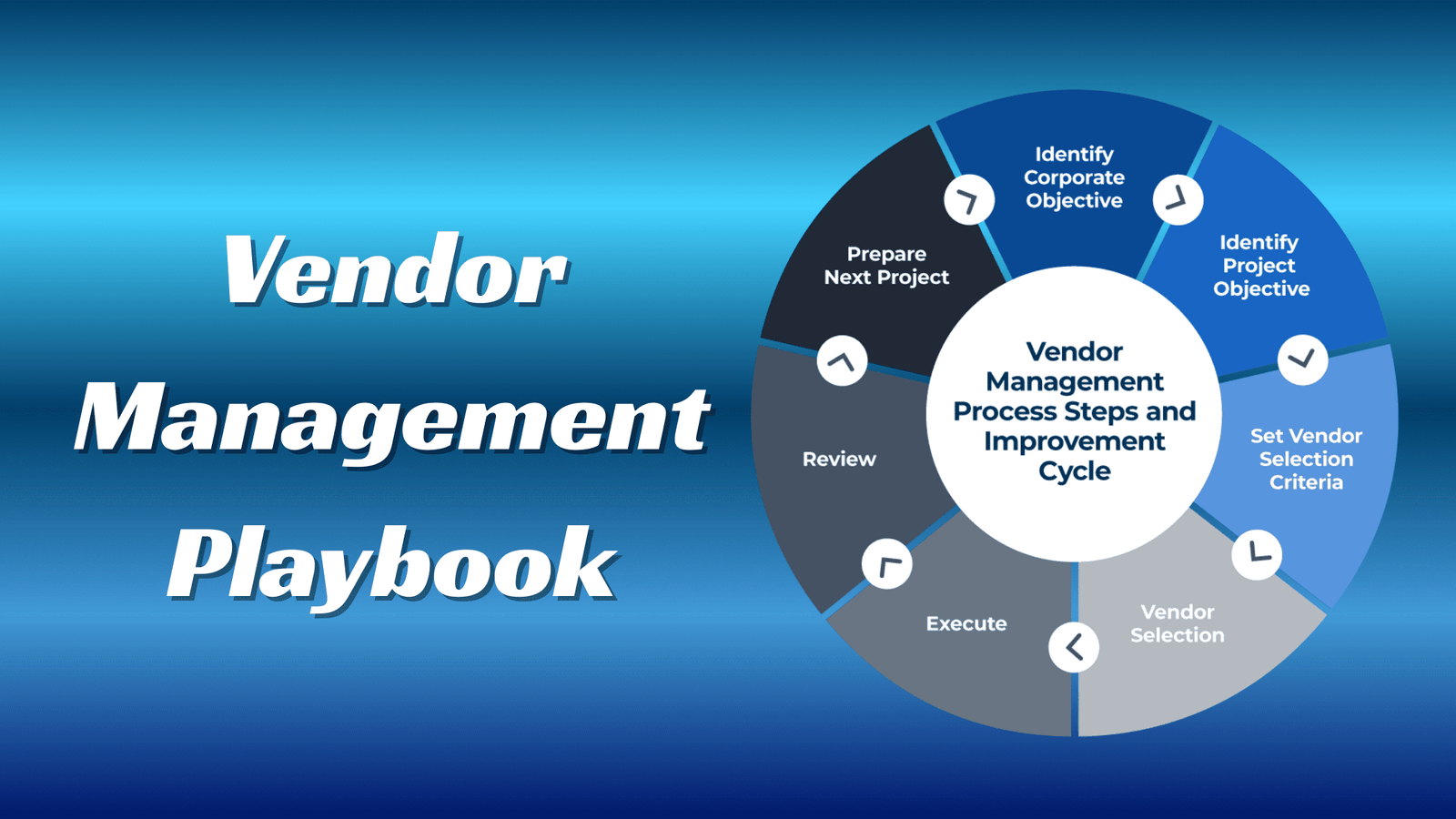
High-performing enterprises don’t rely on gut feelings or reactive decisions. They invest in vendor management systems (VMS) and supplier performance dashboards that allow them to continuously monitor KPIs across quality, cost, risk, and innovation. Procurement leaders in these organizations often have access to real-time data on vendor performance trends, helping them make proactive decisions before small issues turn into major problems. The secret isn’t just in tracking performance—it’s in creating a feedback loop that promotes continuous improvement.
Contracts Aren’t Just Legal Documents—They’re Strategic Tools
Average companies see contracts as paperwork. Elite organizations treat them as living documents that evolve with the relationship. Smart contracts embed SLAs, KPIs, dispute resolution frameworks, and innovation clauses that encourage vendors to bring forward cost-saving ideas or operational improvements. In essence, these companies set the tone of partnership within the contract itself, ensuring mutual accountability and proactive collaboration. Contract flexibility also gives them room to scale, pivot, or shift expectations as the market changes.
Collaboration Over Control
Legacy approaches to vendor management often focus on command and control—monitoring vendors, penalizing underperformance, and minimizing cost. But the most successful enterprises embrace collaborative vendor relationships. They schedule regular strategy sessions, involve vendors in product development conversations, and co-create solutions to business challenges. This approach not only improves trust but also accelerates innovation. Vendors become more invested, more responsive, and more likely to prioritize the organization’s needs when they feel like part of the internal team.
Managing Risk Like a Chess Grandmaster
Risk management isn’t reactive in the enterprise playbook—it’s baked into every step of vendor engagement. From initial onboarding to ongoing reviews, top companies use predictive analytics, financial monitoring tools, and geopolitical risk assessments to understand and prepare for disruptions. They maintain contingency plans, diversify vendor portfolios, and build redundancy into critical supply chains. The key secret? Anticipating risk before it happens and building relationships with alternate vendors in advance, not in panic mode.
Building a Centralized Source of Truth
One of the biggest barriers to effective vendor management is siloed information. Top enterprises centralize their vendor data through cloud-based platforms that integrate procurement, legal, finance, and operations. This enables better decision-making, faster issue resolution, and easier compliance tracking. It also eliminates duplication and disconnects, ensuring that every team has visibility into vendor commitments, performance metrics, and contract obligations. This kind of centralized transparency is often the difference between agility and dysfunction in complex supply chains.
Incentivizing Performance Without Micromanaging
Another subtle but powerful tactic used by leading businesses is performance-based incentives. Instead of squeezing vendors for cost reductions, they offer bonuses or preferred vendor status for exceeding performance expectations. This positive reinforcement drives motivation, loyalty, and innovation. When vendors feel that their excellence is recognized and rewarded, they go the extra mile. Enterprises use this strategy to quietly foster a network of high-performing vendors who deliver above and beyond without constant pressure.
Integrating ESG Into Vendor Evaluation
Modern vendor management isn’t just about operational excellence—it’s also about aligning with the organization’s values. Enterprises are increasingly evaluating vendors based on environmental, social, and governance (ESG) standards. Whether it’s carbon footprint reporting, labor practices, or ethical sourcing, ESG has become a key performance metric. Leading businesses use third-party audits and certifications to ensure compliance, often helping vendors improve their standards along the way. This not only protects the reputation but also strengthens the integrity of the entire value chain.
Training Internal Teams to Manage Vendors Effectively
Finally, a crucial but under-discussed secret is that top enterprises invest heavily in training internal teams. Vendor management requires more than negotiation skills—it demands emotional intelligence, analytical thinking, legal understanding, and operational insight. Procurement professionals, project managers, and even finance staff receive continuous training on how to manage external partnerships with the same skill and nuance as internal leadership. This creates a culture of excellence and professionalism that vendors respect and respond to.
The hidden advantage of leading enterprises lies not just in who they work with, but how they manage those relationships. From contract negotiation and performance tracking to risk management and strategic collaboration, top companies approach vendor management as a critical driver of growth and innovation. They treat vendors as true partners, backed by data, transparency, and trust. By applying these often-unshared tactics, businesses of any size can strengthen their operations and gain a competitive edge in today’s fast-paced marketplace. For organizations looking to elevate their vendor management strategy with expert guidance and cutting-edge solutions, check out Network Six.