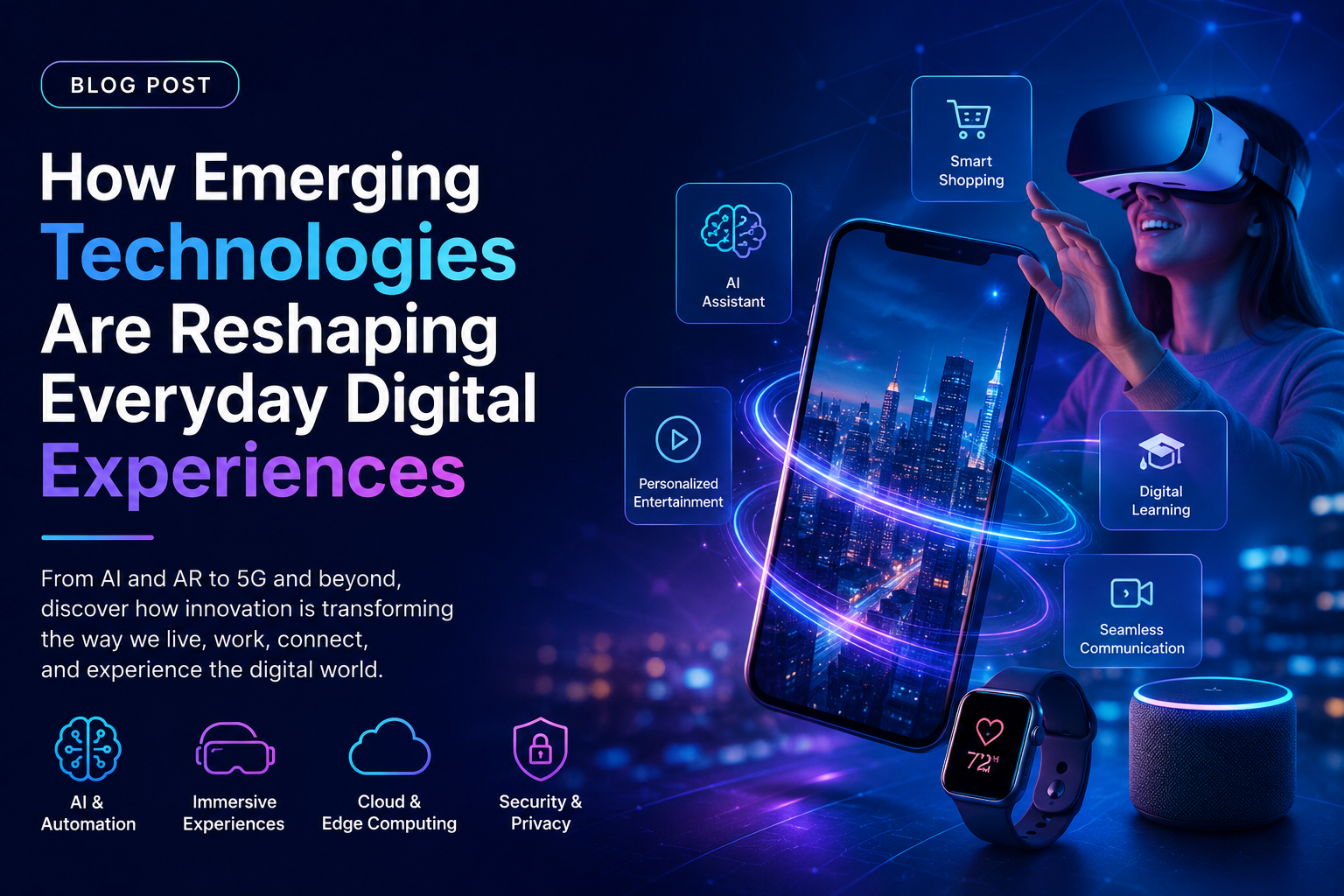
How Emerging Technologies Are Reshaping Everyday Digital Experiences
Technology today has advanced quickly from the use of technological tools by those in specialist fields to integrating digital information into our daily lives. We use technology to read news, get services, and connect with people. Technology has made its way into the palm of our hands and into our clouds. No matter how advanced it becomes or how seamlessly we use it, there is now a greater demand for digital literacy. Whether we are looking at data or pictures on our phones, we need to be able to understand and process the information technology gives us. We work and communicate with technology daily. We must teach ourselves and others how to use it not only efficiently, but also comfortably and securely.
The Evolution of Everyday Technology Systems
Technology has evolved past standalone products into systems of technology that seamlessly work together to help with daily life. From how people obtain information to how they communicate or complete tasks, technology allows users to access limitless digital experiences that feel more natural and reactive to their actions. Many people use a variety of systems and devices without even noticing how interconnected they are. While technology allows for more convenience in day-to-day lives, it also encourages users to understand how information can flow between these platforms. The more users understand how to operate these complex systems, the better the experience and the more confident they have using technology.
Technology promotes flexibility as well. We are used to upgrades, new features, and layouts that we need to learn quickly. Once we get used to it, we are always learning. The people who don’t mind change and take the time to learn how to use something will gain more utility from technology. Technology also makes us inquisitive about how things work and how they can connect with other devices.
How Intelligent Devices Shape Modern Habits
Smart devices have been implemented into your daily life. These smart devices will learn how you function and allow you to have an experience tailored to you. This is why users will use technology for small and big tasks. But being aware of your data can help you be more efficient when using smart devices. When you know how your information is being used and read, you allow yourself to be an informed consumer.
Smart technology can make life easy by simplifying daily tasks. This also creeps into your behaviour. Some individuals may create habits based on what is suggested or predicted by automation. By knowing how these products influence you, you can have a healthier relationship with your tech. You can stay mindful of your choices.
Data Awareness and Digital Decision-Making
Data is fundamental to technology today. Every click you make feeds into machine learning algorithms that change over time. For this reason, being data literate is crucial to your digital citizenship. The more you know about how your information is being used, the better decisions you can make as a user. It also allows for more transparency online and can help you feel more in control of your digital footprint.
Understanding how to process information helps users make good choices online. Judging the quality of information you find, identifying patterns, and understanding the reason behind suggestions requires sound media literacy. These habits help improve critical thinking skills and your confidence with technology. They can also help you question the why and how of what you’re being shown. With practice, they’ll become second nature to your digital interactions.
Cybersecurity Thinking in Everyday Users
Users are becoming more involved in cybersecurity. As users learn how to spot cybersecurity threats, they are able to better protect themselves and their data from danger. Cybersecurity knowledge allows people to feel less hesitant when sharing data.
Cybersecurity hygiene requires diligence from users. Educating yourself about the signs of suspicious behavior and how to act accordingly can help. Remembering to pay attention to your privacy and permissions across services can also be useful.
Key habits that support better cybersecurity thinking include:
- Being cautious when sharing personal information online
- Reviewing privacy settings regularly across devices
- Recognising unusual or unexpected digital behaviour
- Using trusted platforms for sensitive interactions
- Staying informed about common digital risks
These practices help users build stronger awareness and reduce exposure to unnecessary risks. Over time, cybersecurity becomes a natural part of everyday digital behaviour.
Digital Trust and Financial Tech Interfaces
Digital systems are increasingly used to manage financial interactions, making trust an essential component of user experience. People rely on technology to handle sensitive information, which requires clear communication and secure systems. Understanding how digital platforms manage financial data helps users feel more confident in their interactions. This awareness also encourages careful evaluation of information before making decisions. In some discussions, topics such as pcp claims and car finance claims are referenced when exploring how individuals engage with structured financial systems and assess their understanding of digital agreements. These conversations highlight the importance of clarity and transparency within financial technology environments. When users understand how systems operate, they are better equipped to make informed and responsible choices.
Digital literacy develops as technology progresses to change the ways we communicate, make decisions, and live our day-to-day lives. Understanding data, automation, and cybersecurity empowers us to communicate and interact through digital means with confidence. Human-centred design allows us to continue creating meaningful and accessible technological systems for all.