
5 Recent Advancements in Aviation Tech You May Not Know About
- 1 Top 5 Recent Advancements in Aviation Tech
- 1.1 Electric and Hybrid-Electric Propulsion Systems
- 1.2 Autonomous Flight Control and AI-Assisted Navigation
- 1.3 Advanced Composite Materials and 3D-Printed Components
- 1.4 Biometric Security and Touchless Technology
- 1.5 Sustainable Aviation Fuels and Green Technologies
- 2 Conclusion
The aviation industry never stops evolving, and right now we’re witnessing some of the most exciting technological leaps in its history. Sure, everyone knows planes are getting more fuel-efficient. But there’s a whole world of innovation happening behind the scenes that’s genuinely transforming how aircraft are built, flown, and maintained. These aren’t just incremental improvements; they’re fundamental shifts that are making flying safer, cleaner, and smarter. From materials that seemed like science fiction a decade ago to artificial intelligence that’s becoming a pilot’s best co-pilot, aviation technology is advancing at breakneck speed. Let’s explore some of these remarkable developments that are quietly revolutionizing an industry that connects our world.
Top 5 Recent Advancements in Aviation Tech
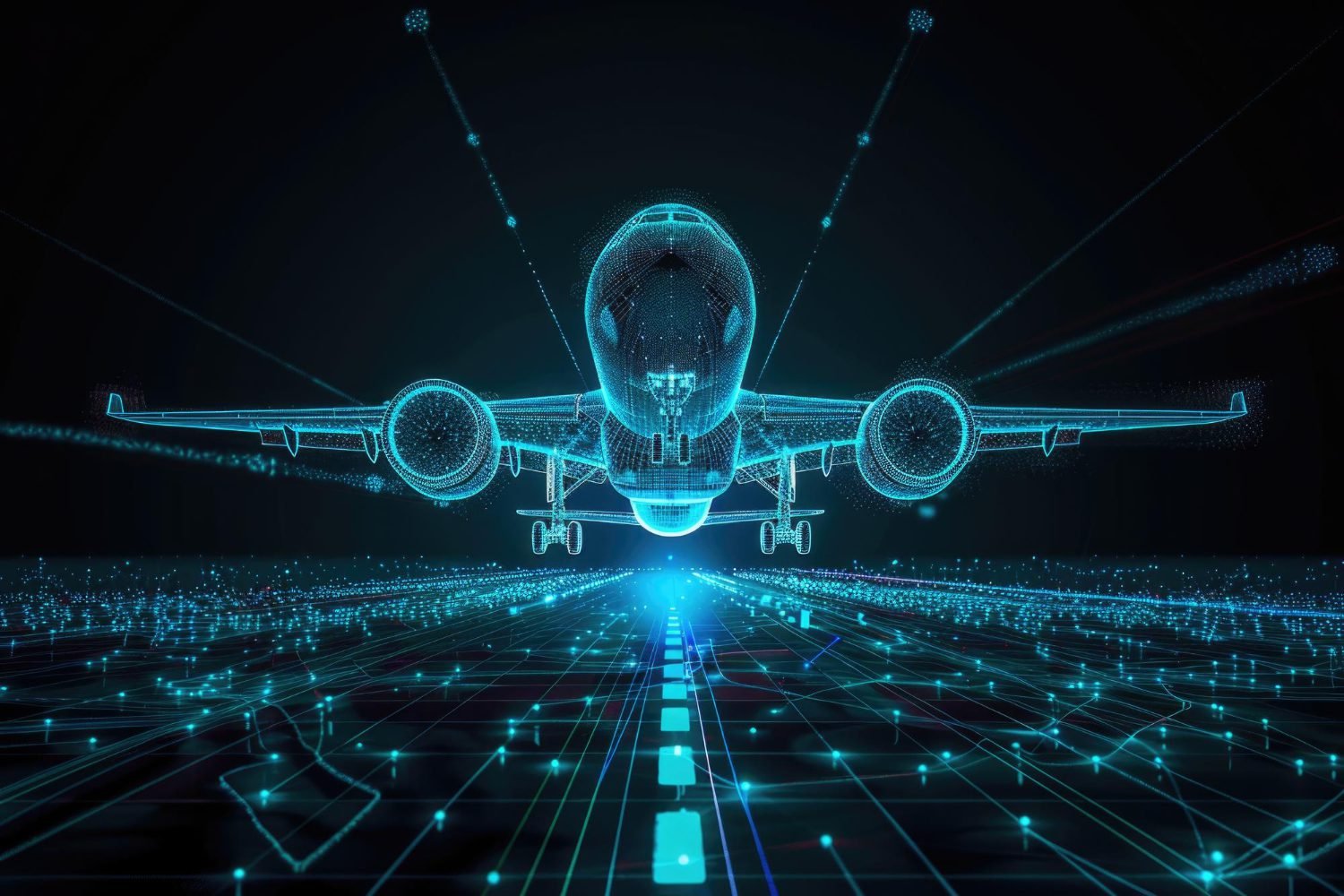
Electric and Hybrid-Electric Propulsion Systems
Remember when electric cars seemed impossible? Well, electric planes are following a remarkably similar trajectory. The aviation world is buzzing, pun intended, with activity around electric and hybrid-electric propulsion systems that are moving from drawing boards into actual flight testing. Major aerospace manufacturers aren’t just dabbling here; they’re pouring billions into developing aircraft that can run on electric power instead of traditional jet fuel. The promise is compelling: dramatically slashed carbon emissions paired with lower operating costs thanks to reduced fuel consumption and simpler maintenance needs.
Autonomous Flight Control and AI-Assisted Navigation
Artificial intelligence isn’t just changing how we search the internet or edit photos; it’s fundamentally reshaping how aircraft navigate through the skies. Today’s flight management systems are incredibly sophisticated, incorporating AI that constantly crunches enormous amounts of data to find the most efficient flight paths while dodging turbulence and bad weather. These smart systems have gotten so advanced that they can actually predict when a component might fail before it actually does, which is a game-changer for both safety and operational efficiency. Several aviation companies are already developing fully autonomous cargo planes that handle everything from takeoff to landing without a human pilot onboard.
Advanced Composite Materials and 3D-Printed Components
The materials going into modern aircraft would blow the minds of aviation pioneers from just a generation ago. Carbon fiber reinforced polymers and other space-age composites have become standard in aircraft construction, offering strength that rivals metal at a fraction of the weight. This isn’t just about making planes lighter; it’s enabling entirely new designs that wouldn’t be structurally possible with traditional aluminum. Then there’s additive manufacturing, which has evolved from a neat parlor trick to a legitimate production method for complex aircraft components.
Biometric Security and Touchless Technology
Airport security has come a long way from the days of fumbling for boarding passes and photo IDs at every checkpoint. Sophisticated biometric systems are transforming how passengers move through airports, with facial recognition technology allowing travelers to breeze through various checkpoints without constantly digging through bags for documents. These advanced scanners aren’t just matching faces to databases; they’re simultaneously analyzing behavioral patterns and identifying potential security concerns with impressive accuracy. Fingerprint readers and iris scanners add extra verification layers, creating security networks that are both more thorough and less annoying than older methods.
When implementing these sophisticated systems, aviation facilities often work with specialized technology providers like Sesame Technologies to ensure seamless integration across multiple security checkpoints. The pandemic gave touchless technology a massive boost, accelerating the adoption of voice-activated controls and gesture-based interfaces throughout airports and aircraft cabins. These systems do double duty by reducing physical contact points while improving both hygiene standards and operational flow. Airlines are also leveraging biometric data to personalize the travel experience, automatically recognizing passengers as they board and adjusting everything from entertainment options to meal preferences without anyone needing to press a button.
Sustainable Aviation Fuels and Green Technologies
The aviation industry has gotten serious about its environmental footprint, and the progress on sustainable alternatives has been genuinely impressive. Sustainable aviation fuels made from renewable sources, think agricultural waste, algae, even synthetic processes, are already being blended with conventional jet fuel in regular commercial operations. What makes these biofuels particularly promising is that they can slash lifecycle carbon emissions by up to eighty percent while working in existing engines with minimal modifications to current infrastructure. Major airlines aren’t just talking about sustainability anymore; they’re making concrete commitments to sustainable fuel adoption, with some aiming for net-zero emissions within the next few decades.
Conclusion
We’re standing at a fascinating moment in aviation history where converging technologies are reshaping an industry that’s been remarkably resistant to change. Electric propulsion systems that could eventually eliminate aviation’s carbon footprint, artificial intelligence that enhances every dimension of flight operations, and advanced materials that enable previously impossible designs; these aren’t distant possibilities anymore. The aviation sector is actually implementing these innovations right now, alongside biometric security that streamlines travel and sustainable fuels that dramatically reduce environmental impact.
As these technologies continue maturing and spreading throughout the industry, passengers will enjoy better experiences while our planet benefits from genuinely reduced environmental harm. What’s particularly encouraging is seeing how the aviation community has embraced innovation rather than shied away from it, proving that an industry with over a century of tradition can still evolve boldly to meet modern challenges. The future of flight looks cleaner, smarter, and safer than ever, and many of these advances are already happening above our heads.