Is File2Share Safe? What Do You Think?
- 1 How Does File2Share Work?
- 2 Is File2Share Safe?
- 2.1 The Biggest Risk: Malicious Files
- 2.2 Phishing and Fake File2Share Websites
- 2.3 Privacy Risks of Anonymous File Sharing
- 2.4 Data Breaches Are Another Concern
- 2.5 File2Share Bypass Claims: Why You Should Be Careful
- 2.6 Common Warning Signs of an Unsafe File-Sharing Website
- 3 How to Share Files More Safely
- 3.1 What Should You Do If You Download a Suspicious File?
- 3.2 Is Online File Sharing Safe in General?
- 3.3 Pros and Cons of Online File Sharing
- 3.4 What Makes a File-Sharing Service More Trustworthy?
- 3.5 Should You Use File2Share?
- 4 Final Verdict: Is File2Share Safe?
- 4.1 FAQs
- 5 In Short
File-sharing platforms can make it incredibly convenient to upload, store, and exchange digital files. However, convenience does not automatically mean security. When a file-sharing service is associated with anonymous networks, questionable domains, or the dark web, the risks can become significantly more complicated. This is where questions such as “Is File2Share Safe?” become important.
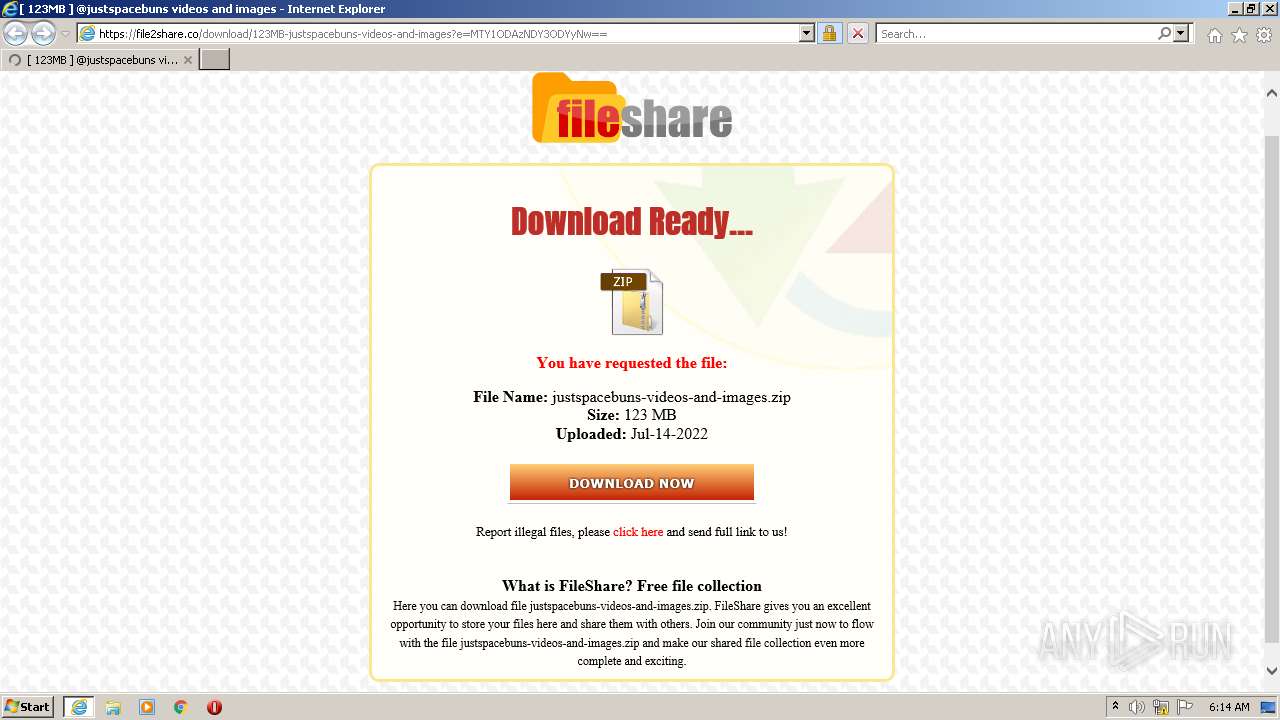
File2Share is often discussed online in connection with anonymous file sharing and dark-web communities. Some descriptions present it as a convenient way to exchange files while maintaining a degree of anonymity. Others raise concerns about potentially malicious files, privacy exposure, scams, misleading websites, and the difficulty of determining who operates a particular service.
The most important thing to understand is that anonymity is not the same as security. A platform can make it harder to identify users while still exposing them to malware, phishing, fraudulent downloads, data theft, or other privacy problems. Therefore, anyone considering an unfamiliar file-sharing service should evaluate the risks before uploading personal information or downloading files.
This guide takes a closer look at how services described as File2Share may work, why people use them, the security concerns surrounding anonymous file sharing, and the precautions that can reduce unnecessary exposure.
How Does File2Share Work?
File-sharing services generally operate around a straightforward concept: a user uploads a file, the platform stores or transfers it, and another person receives access through a link, account, or other sharing mechanism.
Depending on the particular File2Share service or website being discussed, the available features may vary. Some file-sharing platforms provide temporary storage, while others allow users to create links that can be shared with other people. Certain services may also offer account-based storage, password protection, expiration dates, or other controls.
The important distinction is that not every website using the File2Share name should automatically be considered the same service. Similar names, cloned websites, unofficial mirrors, and deceptive domains can make it difficult to establish whether a particular website is legitimate.
This is especially important when a service is promoted through anonymous communities. A familiar-looking interface does not prove that the underlying service is trustworthy.
Why Do People Use Anonymous File-Sharing Services?
There are legitimate reasons people may want greater privacy when transferring files. Journalists, researchers, privacy-conscious users, security professionals, and people exchanging non-sensitive material may prefer services that minimize unnecessary data collection.
Anonymous file sharing can also be attractive because it can reduce the amount of personal information displayed publicly. A conventional cloud-storage service may connect files with an identifiable account, email address, device, or other account information. A privacy-focused service may collect less information.
However, privacy and anonymity have another side.
When there is little information about the operator of a platform, users may have fewer ways to determine how their data is handled. They may not know where files are stored, how long they remain available, whether uploaded content is scanned for malware, what information is logged, or what happens when a security incident occurs.
In other words, less visibility into the service operator can sometimes mean less accountability as well as more privacy.
Is File2Share Safe?
There is no responsible way to declare every website or service operating under the File2Share name completely safe without verifying the exact domain, operator, security practices, and current reputation of that service.
This distinction matters because online services can change ownership, disappear, move to different domains, or be copied by third parties. A website that looks professional may not necessarily be operated by the organization users think it is.
Therefore, the answer to “Is File2Share Safe?” should not simply be yes or no.
If you encounter a File2Share-related website, treat it as an untrusted service until you have independently established that it is legitimate. Avoid assuming that encryption, HTTPS, anonymous access, or a polished design automatically makes a service safe.
HTTPS, for example, protects the connection between your browser and the website, but it does not guarantee that the website itself is trustworthy. Similarly, encryption can protect data during transmission without protecting you from a malicious file supplied by another user.
The safest approach is to evaluate the entire ecosystem rather than relying on a single security feature.
The Biggest Risk: Malicious Files
One of the most significant dangers associated with unfamiliar file-sharing platforms is the content being distributed through them.
A file can be disguised as a document, application, archive, image, video, or software installer while actually containing malicious code. Attackers can also use familiar filenames and convincing descriptions to encourage users to download something they should not open.
This problem is not unique to File2Share. It exists across virtually every platform where users can upload files without strong content verification.
For example, a file presented as a software update could contain malware. A document could contain malicious scripts or exploit an outdated application. A compressed archive could contain several files designed to trick the recipient into opening an executable.
The danger increases when files come from unknown users or anonymous sources because there may be no reliable way to establish who created them or whether they have been modified.
Phishing and Fake File2Share Websites
Another major concern is impersonation.
Cybercriminals frequently create websites that imitate legitimate services. They may use similar names, logos, layouts, or domain names to make visitors believe they are accessing the real platform.
A fake file-sharing website can be more dangerous than a suspicious download because it may attempt to collect login credentials, payment information, email addresses, or other personal details.
Some deceptive websites may also display aggressive pop-ups, fake security warnings, fabricated download buttons, or messages claiming that a browser or computer needs an urgent update.
This is why users should be particularly cautious when arriving at a file-sharing website through an unknown link, message, forum post, advertisement, or redirect.
Privacy Risks of Anonymous File Sharing
Privacy is another important consideration.
People sometimes assume that using an anonymous file-sharing service means they are completely invisible online. That assumption is incorrect.
Websites can potentially collect technical information such as IP addresses, browser characteristics, timestamps, device information, referral information, and other connection-related data. The exact information collected depends on the service and its configuration.
Uploaded files themselves can also reveal information. A photograph may contain metadata. A document may contain author information or editing history. A spreadsheet could include hidden worksheets or identifying details. A PDF may contain properties associated with the software or person who created it.
Consequently, simply removing your name from a filename does not necessarily make the file anonymous.
Before sharing sensitive material, users should understand what information the file itself may contain.
Data Breaches Are Another Concern
No online storage or transfer service should be treated as completely immune to security incidents.
If a file-sharing platform is compromised, attackers may gain access to stored files, account information, technical logs, or other data depending on how the service is designed.
The potential impact becomes more serious when users upload documents containing personal, financial, business, or confidential information.
For that reason, an unfamiliar file-sharing platform should not be treated as a private vault for sensitive material simply because it claims to provide secure or anonymous storage.
File2Share Bypass Claims: Why You Should Be Careful
The term “File2Share bypass” can appear in searches and online discussions, but users should be cautious with anything marketed as a bypass, unlock, cracked version, or method for circumventing security controls.
Such pages can be used to distribute malware, steal credentials, redirect visitors to deceptive websites, or convince users to install questionable software.
There is also a broader security principle involved: if a website requires users to disable security controls, install unknown software, or provide sensitive credentials to access a supposed bypass, that should be considered a serious warning sign.
A shortcut that removes a security barrier can sometimes remove the protection that was keeping your device or account safe in the first place.
Common Warning Signs of an Unsafe File-Sharing Website
You do not need advanced cybersecurity knowledge to identify many basic warning signs.
A website deserves additional scrutiny if it uses a suspicious or frequently changing domain, contains excessive pop-ups, repeatedly redirects visitors, asks for unnecessary personal information, or attempts to force software downloads.
Unexpected browser notifications are another warning sign. Be particularly careful if a website tells you that your computer is infected and asks you to install a specific program to fix it.
Likewise, unusual payment requests, unexplained subscription charges, fake CAPTCHA pages, shortened links from unknown sources, and downloads with misleading filenames should all increase your level of caution.
A professional-looking website can still be malicious, so appearance should never be treated as proof of legitimacy.
How to Share Files More Safely
If you need to share ordinary files online, using a well-established and reputable cloud-storage or file-transfer provider is generally preferable to relying on an unknown anonymous service.
Before uploading anything, consider the sensitivity of the information. A public image and a document containing financial records should not receive the same level of protection.
For sensitive documents, use strong account security and encryption where appropriate. Avoid reusing passwords, and enable multi-factor authentication when the service provides it.
It is also wise to keep your operating system, browser, antivirus software, and document applications updated. Security updates frequently address vulnerabilities that attackers could otherwise exploit.
Most importantly, do not open files simply because someone has provided a download link. Consider whether you expected the file, who sent it, and whether the file type makes sense.
What Should You Do If You Download a Suspicious File?
If you accidentally download a suspicious file, do not open it just to see what it contains.
If it has already been opened and you notice unusual behavior—such as unexpected pop-ups, new applications, browser changes, excessive system activity, or unfamiliar login alerts—take the situation seriously.
Disconnecting the affected device from the internet can help prevent ongoing communication with malicious services while you investigate. Run a reputable security scan and update your operating system and security software. If you entered a password into a suspicious website, change that password from a known-safe device and review other accounts where the same password was used.
If sensitive information may have been exposed, additional steps may be necessary depending on what was involved.
Is Online File Sharing Safe in General?
Online file sharing itself is not inherently dangerous. Millions of people and businesses use cloud storage and file-transfer services every day.
The security of the process depends on several factors, including the reputation of the provider, account protection, encryption, access controls, the sensitivity of the files, and the behavior of the people receiving them.
The biggest mistake is treating “online,” “encrypted,” or “anonymous” as synonyms for “safe.”
A secure file-transfer service can still be used to deliver a malicious file. A reputable provider can still experience a breach. An encrypted connection can still lead to a phishing website. And an anonymous account can still expose information through the files uploaded to it.
Security is therefore a process rather than a single feature.
Pros and Cons of Online File Sharing
Online file sharing offers obvious advantages. It eliminates the need to physically transfer storage devices and allows files to be accessed from different locations. Collaboration can also become easier because several people can work with shared material without repeatedly exchanging USB drives or email attachments.
Cloud-based sharing can also simplify backups and make large files easier to transfer than traditional email attachments.
However, there are trade-offs. A service outage can temporarily prevent access to important files. A compromised account can expose everything stored within it. Incorrect sharing permissions can accidentally make private files accessible to other people.
There is also the issue of long-term control. Once a file has been uploaded or downloaded by another person, you may no longer have complete control over where it goes or how it is used.
What Makes a File-Sharing Service More Trustworthy?
A trustworthy service should provide clear information about who operates it, how user data is handled, what security measures are implemented, and how users can report problems.
Transparent privacy policies and clearly explained security practices are more meaningful than vague claims about being “100% secure.”
Users should also look for sensible account controls, secure authentication, access-management options, and mechanisms for removing or expiring shared files.
Another useful consideration is the service’s reputation over time. A large number of positive comments alone does not prove that a service is safe, because online reviews can be manipulated. Look for consistent information from multiple independent sources rather than relying on a single recommendation.
Should You Use File2Share?
Whether you should use a particular File2Share service depends heavily on the exact website and what you intend to share. If the service’s ownership, security practices, privacy policy, and reputation cannot be independently established, there is little reason to trust it with sensitive information.
For ordinary, non-sensitive files, the risks may be manageable depending on the service. For confidential business documents, financial information, personal records, passwords, identity documents, or other sensitive material, an unknown file-sharing platform is a poor choice.
The safest principle is simple: do not upload information to a service you would not trust with the consequences of a data breach.
Final Verdict: Is File2Share Safe?
So, is File2Share safe? There is no universal yes-or-no answer because the name can refer to different websites or services, and the security of a particular platform depends on its current operator, infrastructure, policies, and reputation.
Claims about anonymity should not be confused with complete privacy, and claims about secure file transfers should not be interpreted as guarantees that downloaded files are harmless.
If you encounter a File2Share-related website, approach it cautiously. Verify the exact domain, avoid entering unnecessary personal information, do not download unknown executable files, and never treat a supposed “bypass” as automatically legitimate.
For sensitive data, a reputable file-transfer or cloud-storage provider with strong authentication, encryption, access controls, and transparent security practices is generally a more sensible choice.
Ultimately, the safest file-sharing strategy is not simply choosing a service with the word “secure” in its description. It is understanding what you are sharing, who can access it, what information the platform can collect, and what could happen if the service or your account were compromised.
FAQs
Is File2Share legit?
The legitimacy of a website using the File2Share name depends on the exact domain and operator. Users should independently verify the service rather than assuming that every website using the name is genuine.
Is File2Share safe for downloading files?
Downloading files from an unfamiliar file-sharing service carries malware and phishing risks. Treat files from unknown sources as potentially unsafe and scan them with reputable security software before opening them.
Can File2Share protect my identity?
A file-sharing service may provide certain privacy features, but that does not guarantee complete anonymity. Technical information, account details, file metadata, and other information can potentially reveal details about a user.
Is File2Share safe for private documents?
An unfamiliar or poorly documented service should not be trusted with highly sensitive documents. For confidential information, use a reputable provider with strong access controls and security features.
What is the File2Share bypass?
“File2Share bypass” is a term that may be used online to describe methods claiming to circumvent restrictions or access controls. Such downloads and websites can present significant security risks, so users should avoid installing unknown software or disabling security protections to use them.
Can a file-sharing website steal my information?
A malicious or compromised website can potentially collect information through phishing, tracking, malicious downloads, or other techniques. This is why users should avoid entering unnecessary credentials or personal information on unfamiliar file-sharing websites.
Is online file sharing completely secure?
No online service is completely risk-free. Security depends on the provider, its infrastructure, account protection, encryption, access controls, and how users handle shared files.
In Short
File2Share should not automatically be considered safe simply because it offers anonymous or secure file sharing.
The biggest concerns include malicious downloads, phishing websites, privacy exposure, fake services, and potentially compromised accounts or infrastructure.
If you cannot independently verify a file-sharing service, avoid using it for sensitive information and choose a reputable alternative with transparent security practices.