What is Influencer Marketing Strategies: An Influencer Strategy Guide for 2026
- 1 What Are Influencer Marketing Strategies?
- 2 Influencer Marketing Strategies: Types Of Influencers: By Size and Reach
- 2.1 Mega-Influencers
- 2.2 Macro-Influencers
- 2.3 Micro-Influencers
- 2.4 Nano-Influencers
- 2.5 Why Use Influencer Marketing Strategies?
- 2.5.1 Increased Brand Awareness
- 2.5.2 Precise Audience Targeting
- 2.5.3 Higher Conversions
- 2.5.4 Trust and Authenticity Building.
- 2.6 5 Steps to A Successful Influencer Marketing Strategy
- 3 Types Of Influencer Marketing Mistakes to Avoid
Influence is everything in today’s fast-paced digital world, where influencer marketing has gone from being a narrow strategy to one that is central to most brand Influencer Marketing Strategies. Before we step into 2026, it is important to recognize the changing dynamic in influencer marketing if businesses are going to take advantage of the latest social media trends, changing consumer trust, and the use of influencers.
In this guide, we’ll show you what influencer marketing is, discuss different types of influencers, why it’s an effective marketing method, how to build a successful strategy, and pitfalls to avoid. Let’s get right into the universe of influencer marketing and figure out how to successfully conquer it by the year 2026.
What Are Influencer Marketing Strategies?
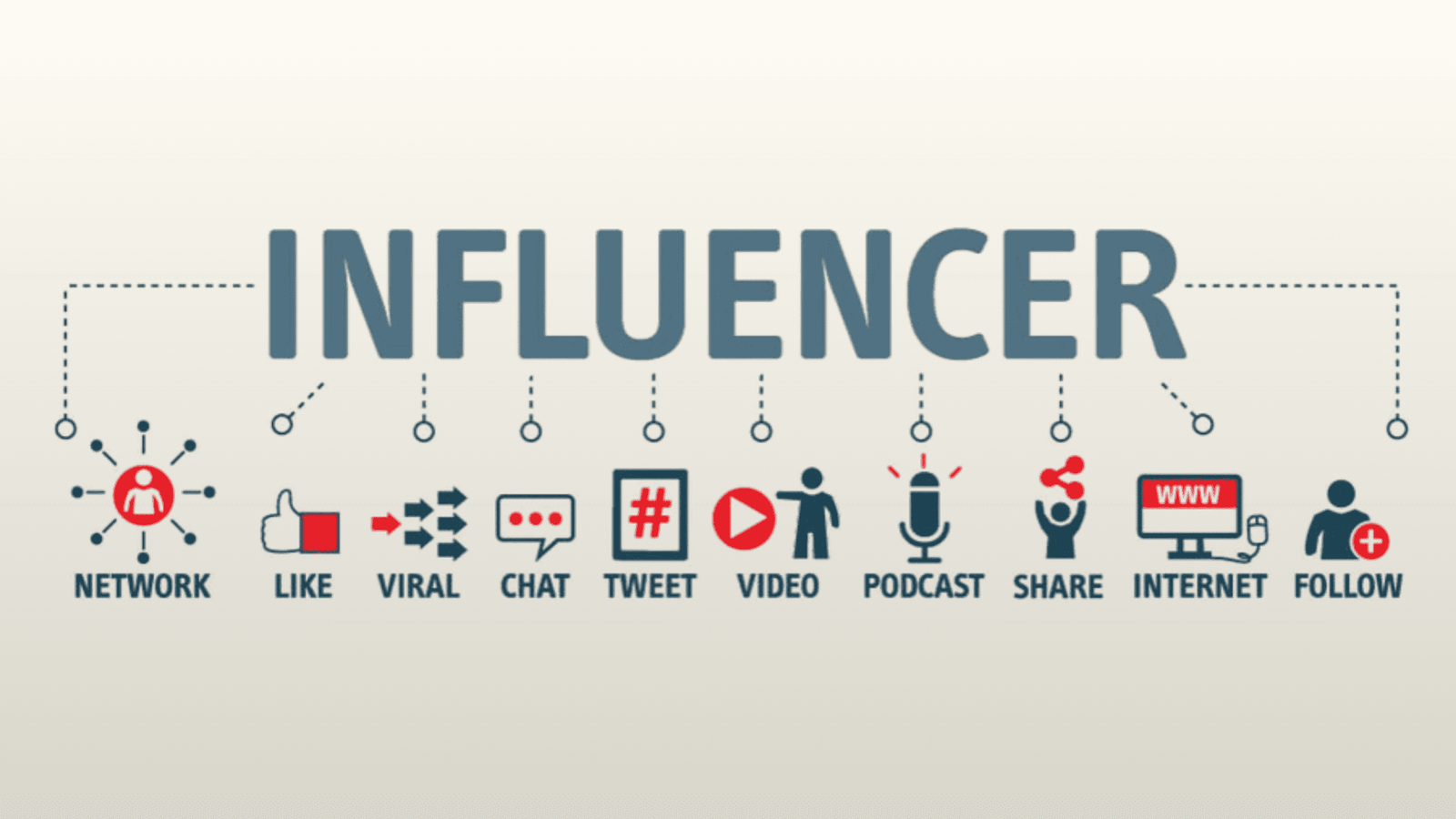
Influencer Marketing Strategies is a form of social media marketing involving endorsements and product mentions from people who have a high following on social media. They have gained trust and credibility in their market, and their recommendations act as strong forms of social proof. Nothing beats its personal, relatable touch connecting brands with loyal communities in a way that no other marketing can do. If an influencer endorses a product or service, fans tend to take their word for it, which has a significant impact on purchase decisions and brand perception.
Influencer Marketing Strategies: Types Of Influencers: By Size and Reach
Knowing the types of influencers based on follower count is crucial when choosing the perfect influencer for your brand. The influencer – and their audience – come in all shapes and sizes, but knowing which resonates best with the goals of your campaign can be the difference maker in whether or not your influencer strategy is successful.
Mega-Influencers
Mega-influencers have no less than a million followers and are usually big-name celebrities, athletes, or public figures. They possess remarkable reach and visibility, and are best suited for company-wide brand awareness. Their listener or viewer pools are typically larger, and as a result, their rates of engagement can be lower.
Best for: Huge businesses, luxury brands, & companies willing to spend more for maximum exposure.
Macro-Influencers
Macro-influencers have an audience ranging from 100,000 to 1 million and are already popular players within their circles. They still provide significant reach with more niche, engaged communities than mega-influencers. This makes them an excellent option for brands that need to target a special interest group or demographic.
Best for: Startups, nonprofits, and companies that target specific niches but reach a broad audience.
Micro-Influencers
You have your micro-influencer, with followers between 10,000 and 100,000. The replacement is far smaller, but it makes up for it in engagement and focus around the community’s niche topics. Micro-influencers usually have more personal relationships with their audience, and as a result, they are perceived as more trustworthy and relatable.
Best for: Businesses that want niche markets, products, or a highly engaged community.
Nano-Influencers
1,000- to10,000 followerss) nowadays. While petite, they are more engaged and enjoy personal relationships with their followers. They’re cheaper and great for brands on a shoestring budget, or with hyper-local marketing needs.
Good for: Small businesses, mom-and-pop stores, and affordable campaigns.
Why Use Influencer Marketing Strategies?
Influencer marketing has come to stay. It’s such a powerful tool and has so much proven success in enabling all brands to do so much.
Increased Brand Awareness
Partnering with influencers introduces your brand to new followers. Without your brand being introduced via one of these influencers, it might not have been seen anywhere else.” As your brand is passed along by influencers to their audience, your reach grows, and you get in front of an audience that you might not have reached otherwise. Especially for small businesses or startups.
Precise Audience Targeting
With influencer collaborations, a distinct audience can be engaged even better. Influencers have followers that match their personal brand and interests, so you’re able to reach the right crowd much faster. This translates into more relevant, efficient campaigns.
Higher Conversions
Oftentimes, influencers also post special discount codes, limited-time offers, and giveaways that drive followers directly to make a purchase. Followers trust the ad from these influencers and are likely to become customers. In fact, social proof from influencer marketing can do wonders for consumer trust in your brand.
Trust and Authenticity Building.
Somehow, the influencer content doesn’t feel like the traditional ads. When influencers are promoting a product or service, they provide a more natural and relatable introduction to it, allowing their followers to better connect with it. This trust dynamic that the audience has with the influencer gives brands an easier time building an emotional relationship with their consumers.
5 Steps to A Successful Influencer Marketing Strategy
It takes more than finding the correct influencer to make an influencer marketing campaign successful. A good strategy will also help ensure that what you are doing is on the same page as your broader marketing objectives. Here’s the five-step process I use to create an influencer marketing strategy:
Step 1: Identifying the Right Influencers
A successful strategy begins with the right influencer. Find out who the influencers are in your space who match your brand values and target audience. Leverage social listening to understand what your audience enjoys and choose influencers that are a natural fit for your brand.
Consider the following:
- Does the influencer speak to your target audience?
- Do they tend to endorse comparable products or services?
- How are they rated for engagement?
Step 2: Establish a budget and management policy
The cost of an influencer campaign is based on the reach of the influencer and the type of content they are producing. –Create criteria for key factors in the decision-making process, such as: –Set a clear budget amount and plan the budget between various types of influencers (mega, macro, micro, nano). Add on costs for creating content, tracking tools, and potentially managing influencer fees.
You might also want to put a program in place for ambassadors to maximize the lifetime value of influencers by creating lifelong advocates for your brand.
Step 3: Determine Your Campaign Objectives and Writing Tone
Indicate what you aim to achieve with the campaign. What are you hoping to achieve: Awareness/ Lead/Sale/Engagement”? Once you know what you want to achieve, develop messaging that fits the voice of your influencer, but remains true to your brand. Best to do it as organically as possible, since, again, influencer content works best when it doesn’t seem forced.
Step 4: Campaign and Communication
Get in touch with the influencers through a killer pitch. For the bigger influencers, it could mean reaching out to a media agency. Smaller influencers may be amenable to a direct message or email. Make sure the obligations, compensation, and deliverables are well-defined from the beginning so there is no confusion later on.
Step 5: Test and Iterate Your Strategy
Measure the success of your campaigns by keeping an eye on those in the know metrics—engagement rates, click-through rates, conversions, and ROI. Use performance data and feedback you receive from influencers to enhance subsequent campaigns. Keep optimising your influencer marketing strategy to achieve better results in the long run.
Types Of Influencer Marketing Mistakes to Avoid
Influencer marketing has a lot of promise, but there are some mistakes you don’t want to make when trying it out.
Setting Vague Goals and KPIs
It’s a little hard to measure the success of your campaign without clear objectives. Whether you’re looking to drive more traffic to your website, make more sales, or just create more brand awareness, establish tangible KPIs and inform your influencer of these.
Putting follower count above engagement
High engagement doesn’t always come with a large following. Rather than focusing purely on the number of followers, consider the influencer’s engagement rate (likes, comments, shares) and also the type of engagement that they’re having with their followers. And high engagement usually means a more engaged and receptive audience.
Not Researching the Right Influencers
You do need to know enough to use judgment,’ he says. It’s important to do research on an influencer before working with them. And these voices should align with what your brand is all about and already have a track record of creating genuine, relevant content. Partnering with the wrong influencers, who don’t resonate with your audience, will dirty your brand and cost you a lot of money.
Micro-Managing Content Production
Influencers know how to make the content their followers love. You can stifle their originality by micromanaging their art. Everything has its own reason; it was just a suggestion. It’s important to have rules, but also to give that movement the freedom to create content in their own creative way.
Ignoring Campaign Performance
Keeping track of influencer campaign performance is a must. You can measure the ROI of the campaign with analytics tools that show you key metrics/components to look at, such as engagement, traffic, and sales. If you are not tracking, you will not know what’s working and what you need to do differently.
FAQs
What are the criteria for an influencer’s credibility?
An influencer’s value in the eyes of their audience is the trust they have established. Their content is relevant and sharable and they engage with followers in an authentic manner. The framework of their credibility is also dependent of their messaging consistency and the transparency on brand involvement.
How do I select the best influencer for my brand?
When selecting an influencer, think about their audience demographics, engagement rate, and whether or not their content is directly relevant to your brand. You also need to consider their credibility and how closely related to your brands they. Leverage influencer marketing platforms to discover creators who align with your campaign objectives.
Can little brands do influencer marketing?
Yes! Smaller brands can find success with influencer marketing, particularly by working with micro-nano influencers who have extremely engaged, niche audiences. These influencers are generally less expensive and can enable small businesses to reach very targeted consumers.
What is the difference between micro and macro influencers?
Micro influencers are those with 10,000 to 100,000 followers; macro influencers have 100,000 to 1 million followers. Micro influencers also tend to have higher engagement rates because of their relatively small, yet more engaged, audience while macro influencers tend to be a bit more reach focused.