The Ultimate Guide to Fitness Trackers: How They Can Help You Stay Healthy and Active
- 1 What Are Fitness Tracker Apps?
- 2 What Are the Advantages of a Fitness Tracker App
- 2.1 Real-Time Activity Monitoring
- 2.2 Goal Setting and Motivation
- 2.3 Heart Rate Monitoring
- 2.4 Sleep Tracking
- 2.5 Reminders to Move
- 3 Is It Possible to Use a Fitness Tracker Without a Smartphone?
- 4 Top 5 Fitness Tracker Apps
- 4.1 Fitbit App
- 4.2 Garmin Connect
- 4.3 Apple Health
- 4.4 Google Fit
- 4.5 Samsung Health
- 5 How to Pick the Fitness Tracker that’s Right for You
- 6 Summary: Making Fitness Tracking Perfect for You
- 6.1 FAQs
- 6.1.1 Can a Fitness Tracker Monitor Metabolic Intake?
- 6.1.2 Is It Possible to Monitory My Menstrual Cycle With a Fitness Tracker?
- 6.1.3 Are There Fitness Trackers With GPS?
- 6.1.4 Is There a Fitness Tracker That Can Receive Smartphone Notifications?
- 6.1.5 Can a Fitness Wearable Change How You Sit or Stand?
In today’s society, it can be hard to keep a healthy lifestyle even when you’re being as active as you know how to be. Introducing the fitness tracker — a thin, fashionable wristband that keeps tabs on your activity levels, can display the time, and can tell you how you’re sleeping, how you’re “moving”, and it can also provide an estimate of the calories you’ve burned. Whether you walk for recreation, frequent the gym, or simply strive to live a healthier lifestyle, a fitness tracker can provide useful details on your wellness progress.
In this extensive guide, we’re covering what fitness trackers are, the advantages of using them, and answering some frequently asked questions to help you determine if a fitness tracker is right for you.
What Are Fitness Tracker Apps?
A fitness tracker is a small device that you wear somewhere on your body, usually on your wrist like a watch. It gathers information about how much you move in a day — including total number of steps, distance, calories burned, heart rate, and even your sleep patterns — using its built-in sensors. Numerous models also offer bonus features such as reminders to move, fitness tracking, and smartphone notifications.
These devices also connect with smartphone apps or computers so you can track and analyze your data over time, set goals, and stay motivated to reach your fitness goals.
What Are the Advantages of a Fitness Tracker App
Real-Time Activity Monitoring
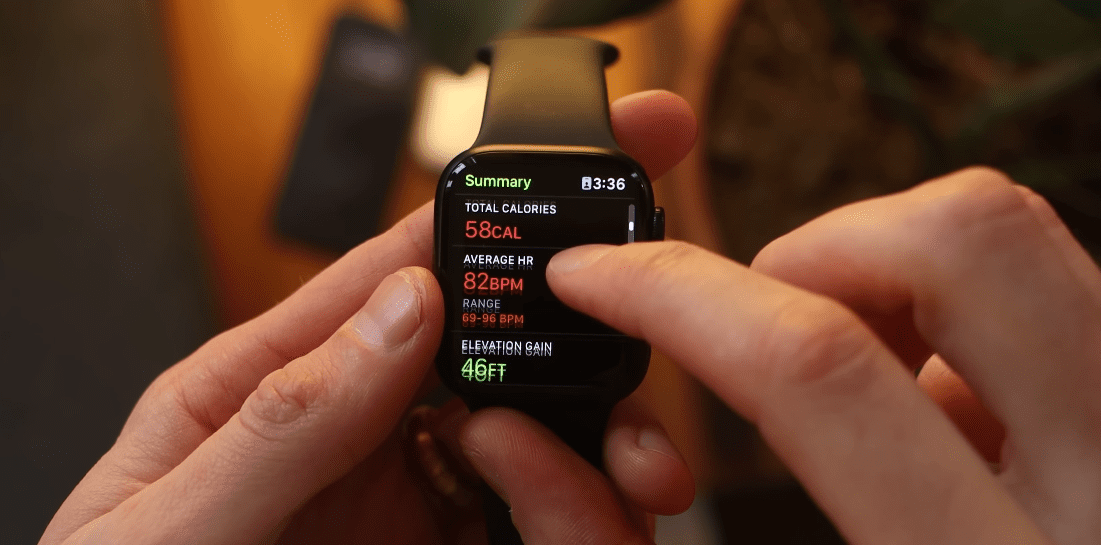
Fitness trackers give you immediate feedback on your physical activity: How many steps you’ve taken, how far you’ve walked or run, and how many calories you’ve burned. This real-time data helps you adjust your daily activity levels.
Goal Setting and Motivation
And while a variety of fitness trackers allow you to choose custom fitness goals — say, 10,000 steps a day or 30 active minutes — and track your progress toward those goals. With the completion of milestones also come notifications or badges, which in turn work to motivate and bring a sense of achievement.
Heart Rate Monitoring
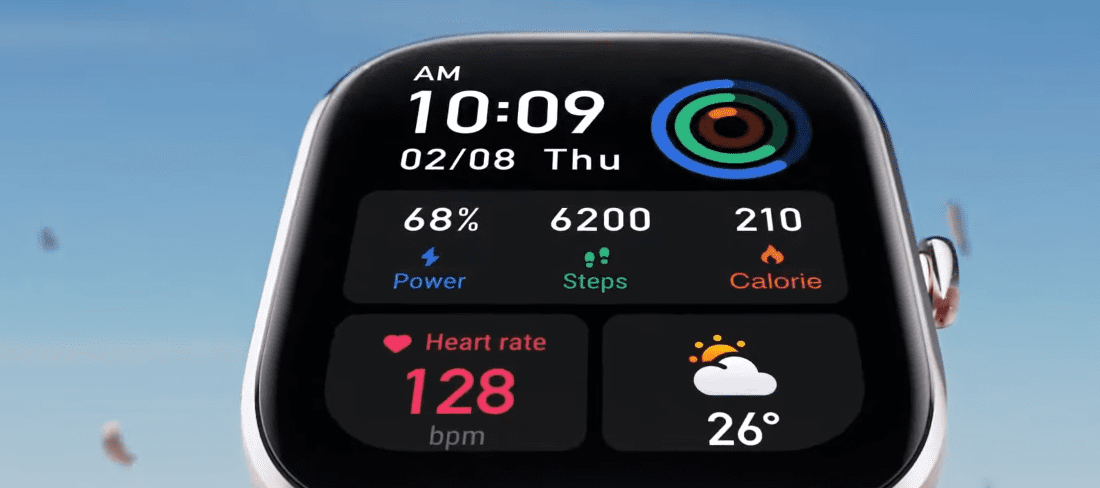
24/7 continuous heart rate monitoring gives you even more accurate health information about your fitness. By monitoring your workouts, Yon keeps you within the ideal heart rate zone, helping make your training safer and more effective.
Sleep Tracking
We all know that good sleep is essential for good health. Fitness trackers track your sleep by recording movement and your heart rate to provide an estimate of how long and how well you are sleeping. This data can aid you in acquiring better bedtime habits.
Reminders to Move
Most activity trackers offer sedentary alerts to encourage you to stand up and move around if you’ve been sitting for too long. This gentle encouragement to move is key to fighting the detrimental effects of sitting too long on your health.
Is It Possible to Use a Fitness Tracker Without a Smartphone?
Yes, many fitness trackers can be used by themselves. Many have a tiny screen that displays basic stats such as steps, heart rate, or the time. But when it comes to digging into more data, understanding activity trends, and customizing settings, syncing the tracker to a smartphone or computer is typically required. Companion apps are also available, providing a more fulfilling experience and more robust tools to help you set goals.
Top 5 Fitness Tracker Apps
Fitbit App
Play Store – Link
Who It’s For: Fitbit device wearers, beginner to advanced exercisers
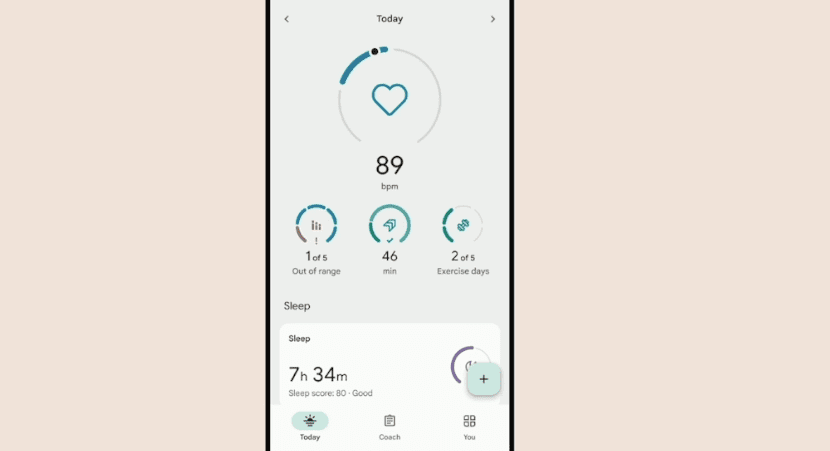
Key features: Monitors steps, heart rate, sleep, calories burned, exercise, and menstrual cycles. Features goal setting, guided workouts, and social challenges.
How it stands out: Easy to use with a supportive user base and plenty to keep you motivated.
Garmin Connect
PlayStore – Link
Who it’s for: Garmin device users, athletes, and outdoorsmen
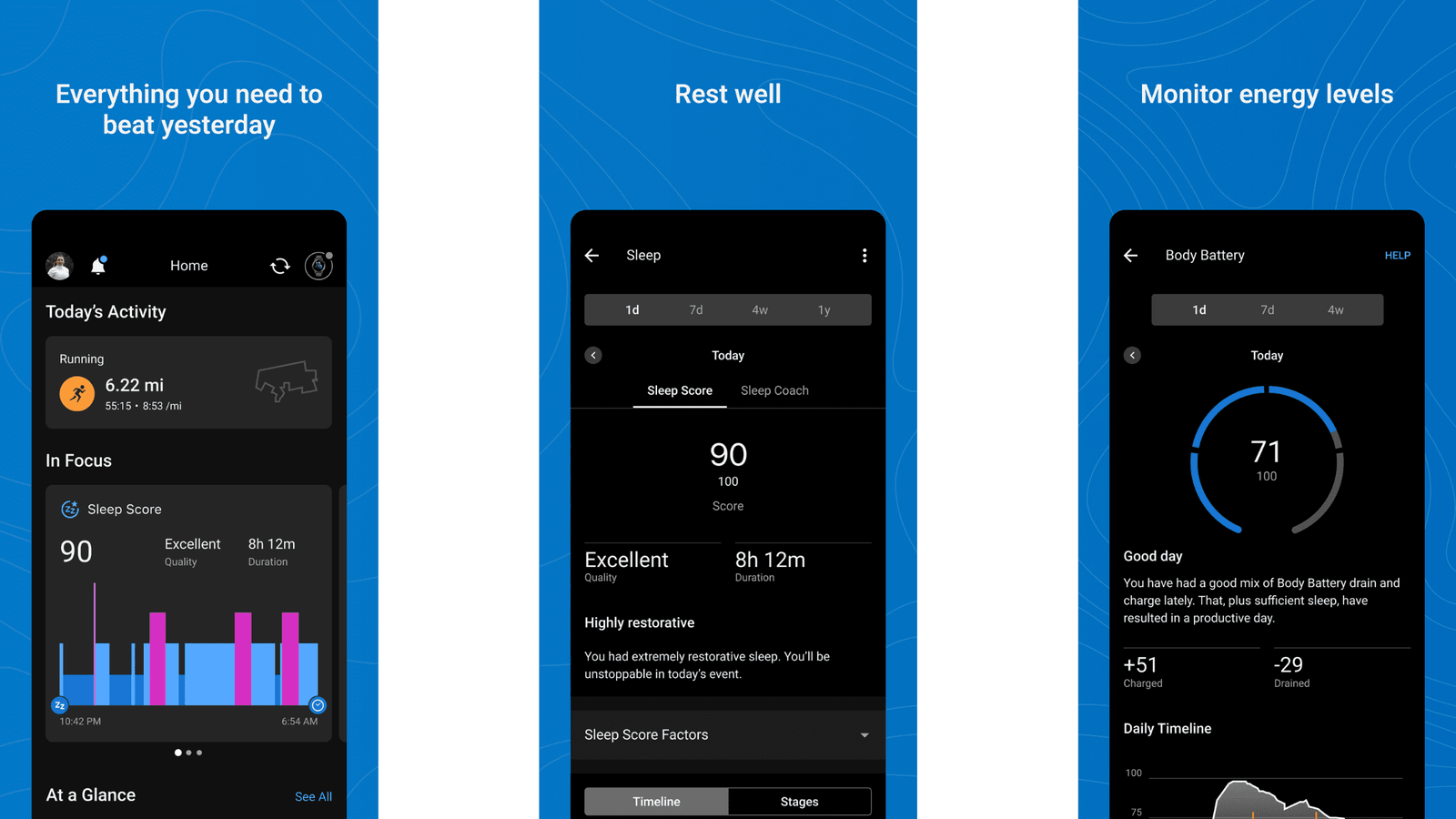
Features: Advanced tracking of activity, including running, cycling, swimming, GPS location tracking, heart rate, and stress monitoring.
How it stands out: Advanced analytics and personalized training plans for serious athletes.
Apple Health

AppStore – link
Who it’s for: iPhone users, Apple Watch ownersRESSED TO APPLE WIRELESS BOOST.
Key features: Pulls together health information from different apps and devices, such as steps, sleep, nutrition, and mindfulness.
How it stands out: Integrates nicely into the Apple ecosystem and provides you with a well-rounded view of your health.
Google Fit

PlayStore – link
Who it’s for: Android users
Key features: Activity tracking, heart points, steps tracking, works with other fitness apps and devices.
Why we like it: Clean design, heart health-focused, and personalized coaching guidelines from the World Health Organization.
Samsung Health

PlayStore – link
Who it’s for: Owners of Samsung devices, regular fitness enthusiasts
Key features: Monitors activity, heart rate, sleep, stress, and diet. Provides fitness programs and community initiatives.
How it stands out: Strong features with social and fitness elements; good for casual to middle-of-the-road users.
How to Pick the Fitness Tracker that’s Right for You
Factors to consider when buying a fitness tracker
- Features: What are you interested in tracking? Steps, a heart rate monitor, sleep tracking, GPS, or bespoke workouts?
- Battery Life Some trackers can last for days or even weeks; others need to be charged daily.
- Comfort and design: because you’ll wear it all day, select a comfortable and flattering design.
- Compatibility: If you’re in the market for something Bluetooth or wireless, make sure it plays nice with your smartphone or computer.
- Water Resistance: If you swim or shower with it, make sure it has a water resistance rating.
- Budget: Fitness trackers come in a wide range of prices, from inexpensive to extravagant — there is a tracker to meet everyone’s needs and budget.
Summary: Making Fitness Tracking Perfect for You
Fitness trackers are more than just a fad: they’re basically personal health coaches on your wrist. Offering on-the-go feedback, personalized goal setting, and advanced insights to improve your health, they help you get in tune with your own wellness. Whether your goal is to be more active, to get better sleep, or to monitor your heart health, a fitness tracker can be a helpful motivational and tracking tool.
And, don’t forget, the real value of a fitness tracker is less the data input and more the data-usage output. Make reasonable goals, stick to them, and leverage insights from your tracker to make smarter health decisions. Your fitness tracker can be a motivating new toy, but it can also be a tool to help you reinforce healthier habits that stick around for a lifetime.
FAQs
Can a Fitness Tracker Monitor Metabolic Intake?
Most fitness trackers estimate calories burned (and therefore consumed) based on your activity level and heart rate, but they don’t automatically track calorie consumption. However, certain companion apps have food logging elements where you can add meals and snacks that you’ve eaten in order to log the calories in and help you manage your energy balance.
Is It Possible to Monitory My Menstrual Cycle With a Fitness Tracker?
Yes, some fitness trackers have built-in menstrual cycle tracking through their apps. You’re able to log your periods, symptoms, and fertility windows, and it will help you gain insight into your reproductive health and cycles.
Are There Fitness Trackers With GPS?
Some fitness trackers also have onboard GPS and can provide distance and route information for outdoor activities like running or cycling without the aid of a smartphone. Still, others require a connection to your phone’s GPS. It comes with a built-in gps feature for more precise distance and pace tracking but this can drain the battery quicker.
Is There a Fitness Tracker That Can Receive Smartphone Notifications?
Yes. Most fitness trackers will also show you incoming calls, texts, emails and app notifications when paired with your smartphone over Bluetooth so you can keep an eye on important matters without needing to pull the phone halfway out of your pocket.
Can a Fitness Wearable Change How You Sit or Stand?
Some fitness trackers have sensors designed to record your posture and remind you to sit or stand up straight. The alerts won’t stop you from sitting hunched over too long, but they are a good way of keeping aware of your posture and encouraging positive change — a helpful reminder considering how easy it is to let the hours pass you by when sitting down at a job or desk all day.