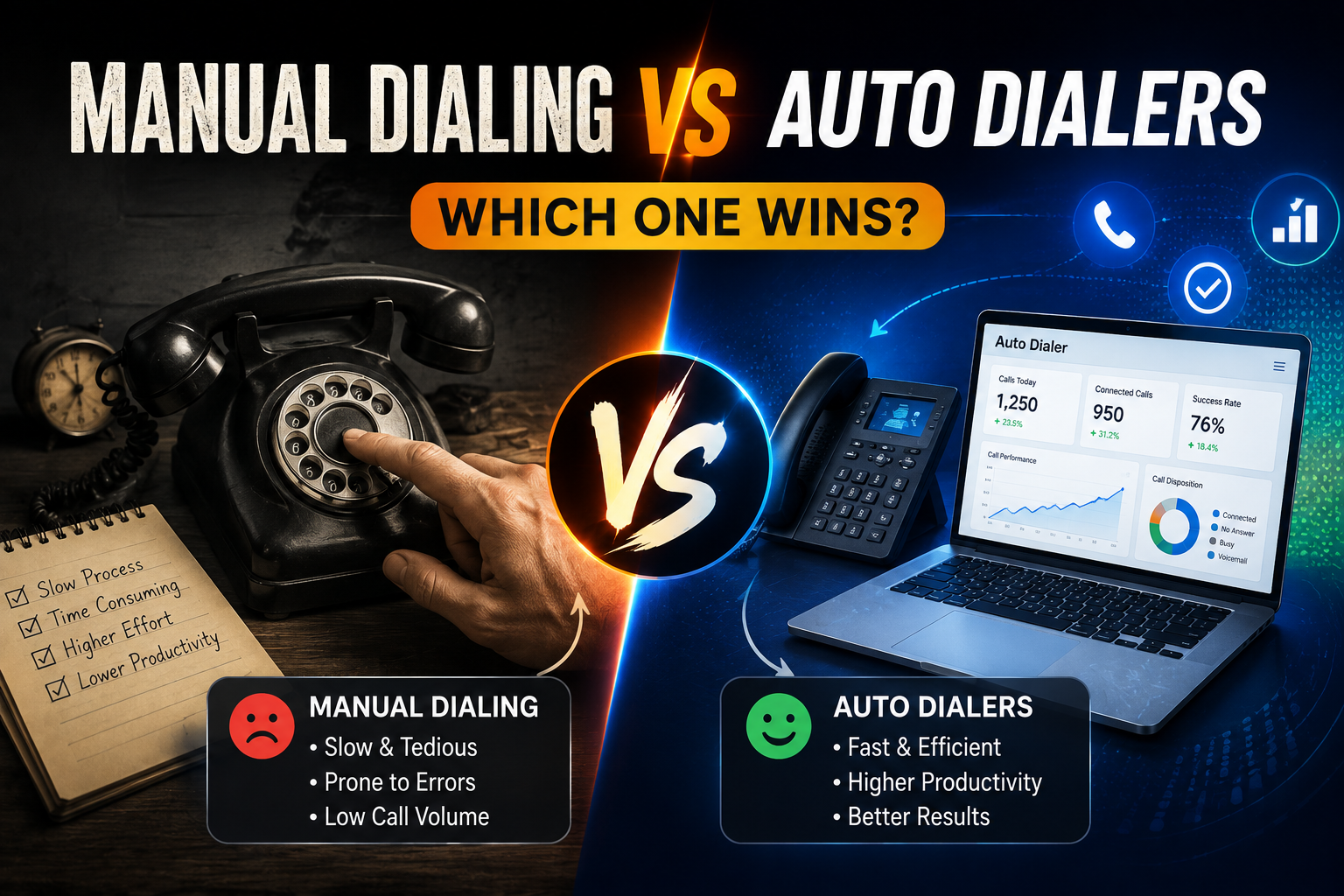
Manual Dialing vs Auto Dialers: Which One Wins?
In high-velocity outbound sales, few operational debates generate as much discussion as phone execution strategy. On one side, proponents of manual dialing argue that hand-selecting contacts fosters thoughtful, highly personalized outreach. On the other side, advocates for automated dialing technology emphasize that raw volume, speed, and continuous call flow are essential for hitting modern revenue targets.
For sales development leaders, choosing between manual outreach and automated phone systems is not merely a matter of preference. It directly dictates representative productivity, connect rates, buyer perception, and total pipeline creation.
Understanding which approach “wins” requires looking past simplistic volume comparisons and evaluating how each method performs across different sales motions, target markets, and operational frameworks.
The Case for Manual Dialing (and Where It Fails)
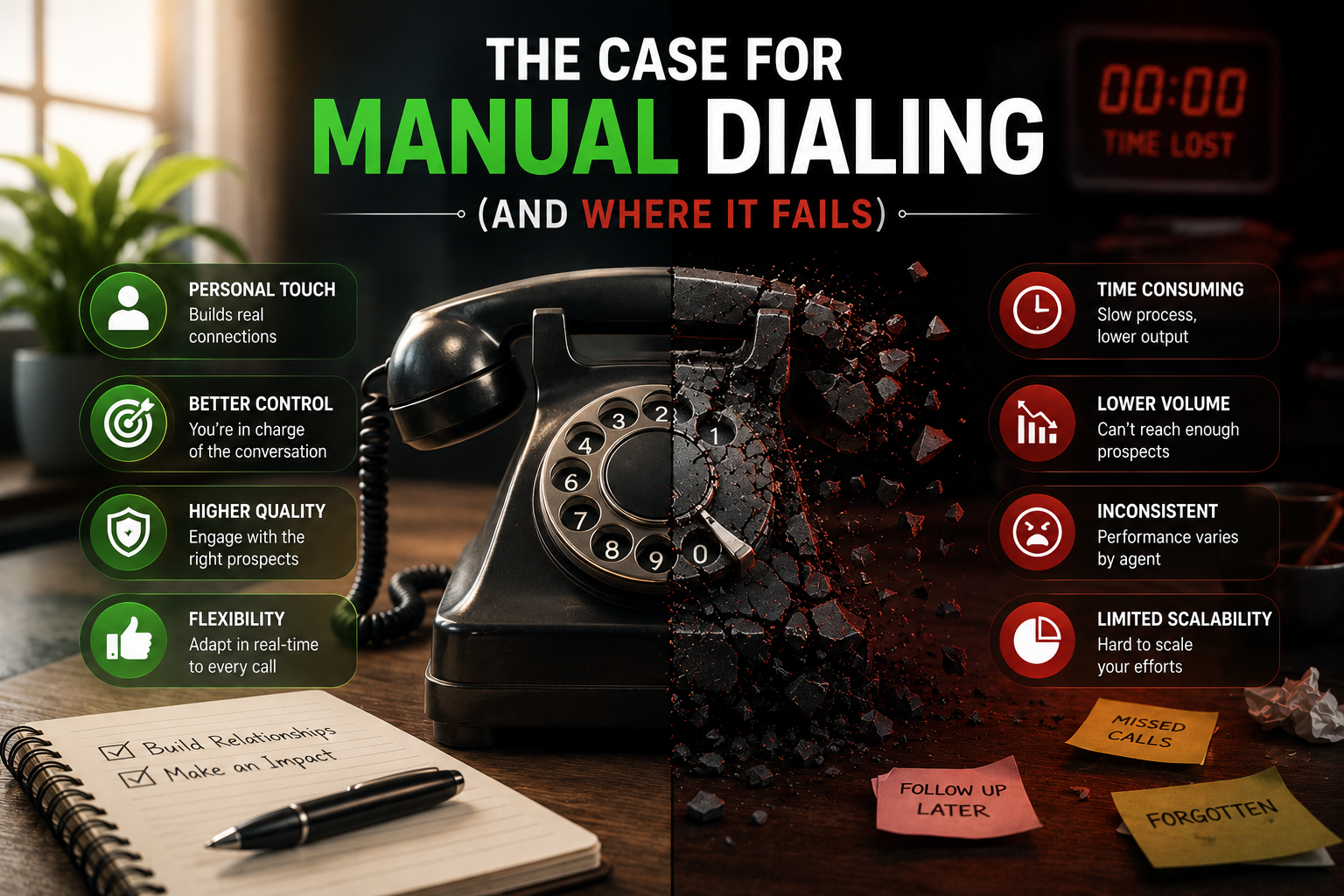
Manual dialing involves a sales representative manually selecting a contact record, reviewing prospect notes, looking up a phone number, and punching digits into a softphone or desk phone for every individual call attempt.
The Claimed Benefits
Supporters of manual outreach highlight several perceived advantages:
- Deep Pre-Call Research: Reps can spend five to ten minutes reviewing LinkedIn profiles, company news, and CRM history before making a dial, enabling tailor-made opening hooks.
- Control and Precision: Reps maintain total control over who they contact, ensuring high-value accounts receive individualized attention.
The Operational Downside
While thoughtful preparation sounds ideal, manual dialing in high-volume outbound environments introduces severe operational drag:
- Proscriptive Volume Limits: A representative manually looking up contacts and punching numbers rarely completes more than 30 to 40 call attempts per day.
- Decision Hesitation and Friction: Between every call attempt, the representative faces a micro-decision about who to dial next. This introduces administrative hesitation and opens the door to selective cherry-picking.
- Cognitive Burnout: Manually dialing dead numbers, entering voicemails, and navigating gatekeepers takes a heavy emotional toll when connect rates average under 10%.
The Spectrum of Automated Dialers
Automated dialers remove the physical task of typing phone numbers, but not all dialers operate the same way. Modern sales acceleration software generally falls into three distinct technology tiers:
1. Power Dialers (Progressive Dialing)
A power dialer automatically dials the next phone number on a rep’s queue as soon as the previous call ends. The system dials one number per active agent at a time. This eliminates manual dialing delays while ensuring that when a buyer answers, the representative is instantly on the line with no awkward connect pause.
2. Predictive Dialers
Predictive dialers use algorithms to dial multiple phone lines simultaneously per agent, anticipating when an agent will become free based on average call durations. While predictive dialers deliver high call volumes, they carry a major drawback in B2B sales: the brief delay (“telemarketer pause”) between a buyer answering and the rep connecting often prompts business buyers to hang up immediately.
3. Queue-Based Auto Dialers
Combining progressive dialing mechanics with dynamic workflow rules, queue-based systems feed prioritizing lead lists directly to reps. Integrating a dedicated sales engagement platform like Vanillasoft provides sales teams with progressive auto-dialing capabilities while presenting prospect research, customized call scripts, and one-click dispositioning on a unified screen. Reps achieve high call velocity without sacrificing contextual personalization.
Comparing Execution Models Across Key Sales Metrics
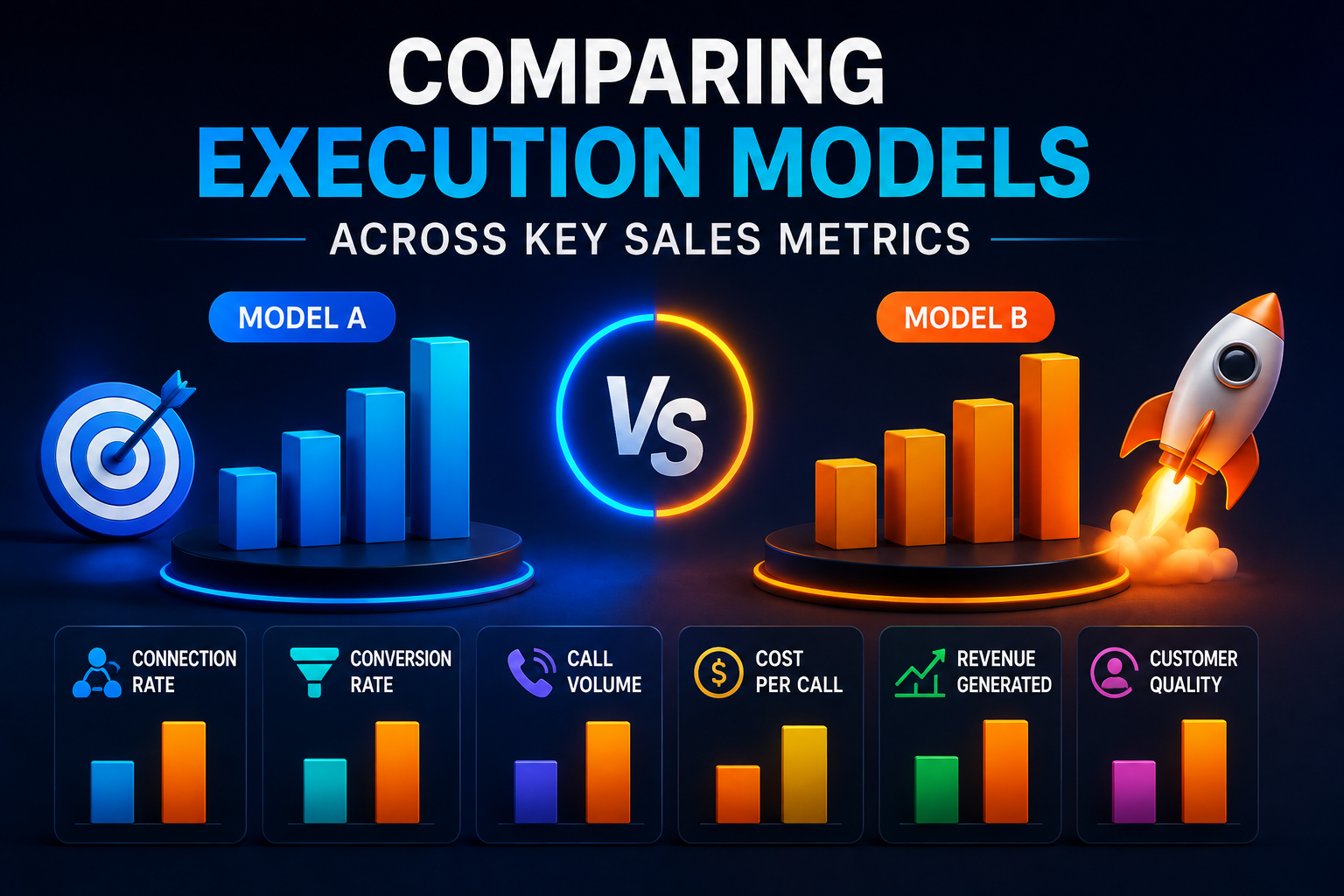
Evaluating manual dialing against automated dialing across core operational metrics demonstrates why pure manual outreach struggles in high-velocity B2B environments:
Dialing Velocity and Active Talk Time
A manual dialer caps reps at roughly 5 to 8 dials per hour due to list navigation, typing numbers, and logging notes. A progressive auto dialer comfortably boosts rep activity to 20 to 35 targeted dials per hour. Higher attempt velocity translates directly into more live conversations and expanded talk time every week.
Speed-to-Lead Response
When a high-intent prospect fills out a demo form on your website, every minute matters. Research featured in Forbes highlights that reaching an inbound prospect within the first five minutes dramatically increases conversion probability. Manual processes cannot compete with automated queues that instantly present fresh web inquiries to available reps for immediate dialing.
Data Capture and Compliance
Manual logging leads to incomplete CRM records, missing disposition codes, and fragmented account history. Automated dialers log call durations, record interactions, and update statuses automatically, enforcing data hygiene without adding rep effort.
The Final Verdict: Match the System to Your Sales Motion
So, which dialing method actually wins? The answer depends entirely on your target market and sales model:
- Manual Dialing Wins For: Account-Based Marketing (ABM) strategies targeting a very small, highly specific list of enterprise tier-1 accounts (e.g., fewer than 50 total target companies per year) where multi-week account research is required before a single phone call.
- Auto Dialers Win For: Almost every other B2B sales scenario—including inbound lead response, mid-market outbound prospecting, insurance, higher education, real estate, and high-velocity B2B sales development.
For the vast majority of sales organizations, progressive queue-based auto dialing offers the ultimate balance. It eliminates manual administrative friction, maintains high call velocity, and provides the rep with instant account context—delivering maximum pipeline performance without compromising quality.