How to Maintain Sparkling Pool Water with Robotic Cleaners
- 1 Why Robotic Cleaners Transform Pool Maintenance
- 2 How Automatic Pool Cleaners Work
- 3 Choosing Your Ideal Pool Cleaning Robot
- 4 Step-by-Step: Maximizing Your Robotic Pool Cleaner
- 5 Maintaining Your Robotic Cleaner for Longevity
- 6 Robotic vs. Other Automatic Pool Cleaners
- 7 The Future of Effortless Pool Maintenance
Picture yourself stepping out to your backyard oasis, where crystal-clear pool water beckons invitingly – a stark contrast to the murky, algae-tinged nightmare that many pool owners battle regularly. The traditional pool maintenance routine of manual scrubbing, skimming, and constant chemical adjustments can feel like a never-ending struggle. But there’s a game-changing solution that’s revolutionizing pool care: robotic pool cleaners. These intelligent devices are transforming the way we maintain our pools, offering a hands-free approach to achieving and maintaining pristine water. By understanding how these automated assistants work and implementing them effectively, you can say goodbye to hours of manual labor and hello to consistently sparkling pool water. Let’s dive into how these innovative machines are making pool ownership more enjoyable while ensuring your water stays crystal clear year-round.
Why Robotic Cleaners Transform Pool Maintenance

Robotic pool cleaners have revolutionized the way homeowners maintain their pools, offering unprecedented convenience and efficiency. These autonomous devices can reduce pool maintenance time by up to 80%, freeing you from hours of manual brushing and vacuuming. Their advanced filtration systems excel at capturing both microscopic particles and larger debris like leaves and sand, maintaining cleaner water for longer periods. This superior cleaning efficiency naturally leads to reduced chemical usage, as fewer contaminants mean less need for sanitizing chemicals.
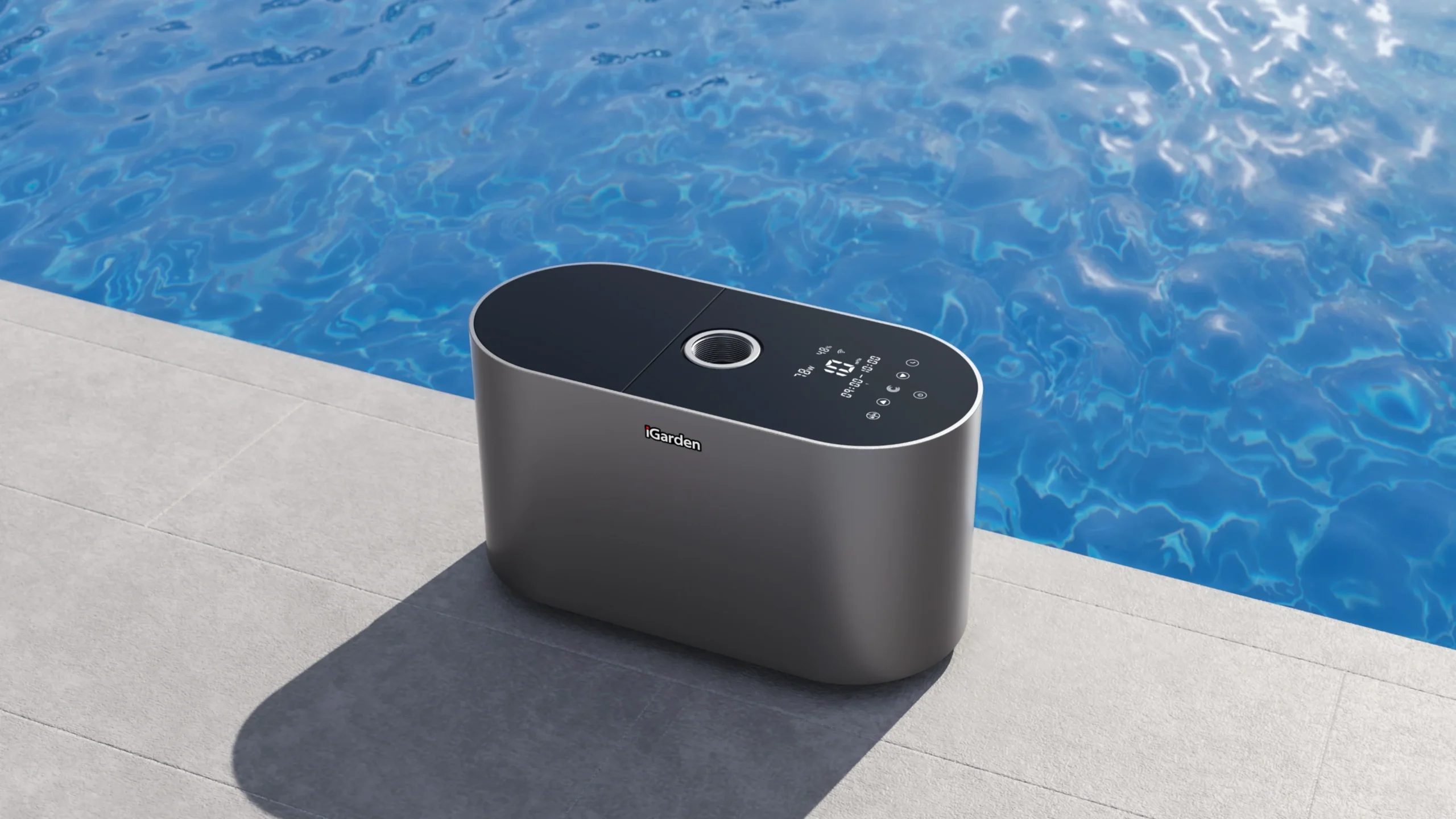
Most modern robotic cleaners, like the efficient iGarden models, operate independently from your pool’s pump system, consuming only about 5 cents’ worth of electricity per hour, significantly less than traditional pool cleaning methods. By continuously circulating and filtering water during their cleaning cycles, these robots also improve water distribution and chemical mixing, leading to better overall pool chemistry and reduced algae growth. The initial investment in an automatic pool vacuum cleaner quickly pays for itself through lower maintenance costs, reduced chemical usage, and energy savings, while delivering consistently cleaner pool water.
How Automatic Pool Cleaners Work
Core Mechanism Explained
At their heart, robotic pool cleaners operate through a sophisticated combination of mechanical and electronic systems. The primary cleaning action comes from powerful rotating brushes that actively scrub pool surfaces, dislodging stubborn algae, biofilm, and embedded dirt. These brushes work in conjunction with a strong vacuum system that pulls water through either fine-mesh filter cartridges or debris bags, capturing particles as small as 2 microns. Most models utilize dual-drive motors that power rubber tracks or wheels, allowing precise movement across pool surfaces.
Key Technological Features
Modern robotic cleaners employ advanced features that set them apart from basic pool vacuums. Their wall-climbing ability relies on carefully engineered water flow patterns and specialized grip materials, enabling them to clean vertical surfaces up to the waterline. Sophisticated gyroscopic sensors and internal mapping systems help these devices navigate efficiently, avoiding obstacles and ensuring complete pool coverage. Many units feature programmable cleaning cycles that can be customized to match your pool’s specific needs, from quick two-hour touch-ups to thorough six-hour deep cleans. These smart features work together to ensure systematic, thorough cleaning without human intervention.
Choosing Your Ideal Pool Cleaning Robot
Selecting the right robotic pool cleaner requires careful consideration of several key factors to ensure optimal performance. Start by accurately measuring your pool size, as different models are designed for specific pool dimensions, typically ranging from small pools under 30 feet to large ones up to 50 feet. Surface material compatibility is crucial; while most robots work well with concrete and gunite, vinyl pool owners should look for models with softer brushes to prevent liner damage. Assess your typical debris load – if you have overhanging trees, prioritize cleaners with larger debris capacity and multiple filtration levels.
For modern convenience, consider models offering WiFi connectivity and smartphone control, allowing you to monitor cleaning progress and adjust settings remotely. When evaluating brands, look beyond initial cost to examine warranty coverage, availability of replacement parts, and customer support reputation. Read recent user reviews focusing on long-term reliability and actual cleaning performance rather than just initial impressions. Consider also the cleaner’s weight, as you’ll need to lift it in and out of the pool regularly. Top manufacturers typically offer models with proven track records of reliability and effective cleaning performance, making them worth the investment despite higher upfront costs.
Step-by-Step: Maximizing Your Robotic Pool Cleaner
Initial Setup Process
Begin by carefully unpacking your robotic cleaner, ensuring all components are present, including the main unit, power supply, and floating cable. Position the transformer at least 12 feet from the pool’s edge on a raised, dry surface. Before the first use, test your pool water chemistry, particularly chlorine and pH levels, as extreme readings can affect the cleaner’s components over time.
Operational Best Practices
Schedule cleaning cycles during off-peak swimming hours, typically early morning or late evening, allowing for complete coverage without interruption. After each cleaning cycle, remove and thoroughly rinse the filter cartridges or debris bag to maintain optimal performance. Proper cord management is crucial – carefully unwind the cable before each use and coil it loosely when storing, avoiding tight bends that can damage the internal wiring.
Troubleshooting Common Issues
When facing tangled cables, lift the unit out and fully extend the cord, allowing it to naturally untwist in the sun for several hours. For brush maintenance, inspect weekly for wear and rotate brushes quarterly to ensure even wear. If your unit displays error codes, consult the manual’s diagnostic guide – common solutions include cleaning filters, checking for trapped debris, and ensuring proper power connection. Should the robot struggle with mobility, verify the tracks or wheels are free from debris and properly tensioned.
Maintaining Your Robotic Cleaner for Longevity
Regular maintenance of your robotic pool cleaner ensures optimal performance and extends its lifespan significantly. Start with monthly brush inspections, checking for worn bristles or uneven wear patterns – when bristles show more than 25% wear, replace them to maintain effective scrubbing action. Filter maintenance requires weekly cleaning during peak season, with complete replacement typically needed every 4-6 months, depending on usage. For track or wheel systems, apply manufacturer-recommended silicone lubricant quarterly to prevent stiffness and ensure smooth operation. During off-season storage, thoroughly clean and dry all components, remove and clean filters, and store the unit in a climate-controlled space away from direct sunlight.
For units with internal batteries, maintain a 50% charge during storage and perform a full charge cycle every three months to preserve battery health. Keep the power cable properly coiled and stored to prevent kinks and damage to the internal wiring. Document all maintenance activities and keep track of part replacement dates to stay ahead of potential issues. This proactive approach to maintenance not only protects your investment but also ensures consistent cleaning performance throughout the pool season.
Robotic vs. Other Automatic Pool Cleaners
While robotic cleaners represent the pinnacle of pool cleaning technology, it’s important to understand how they compare to other automatic options. Suction-side cleaners, which connect to your pool’s skimmer, often struggle with larger debris and can reduce the efficiency of your pool’s filtration system by up to 30%. Pressure-side cleaners require a dedicated booster pump, consuming additional energy and wasting thousands of gallons of water annually through their operation. In contrast, robotic cleaners operate independently, using just 0.1kWh of electricity per hour compared to 1.5kWh for pressure-side systems.
Over a typical three-year period, robotic cleaners prove more cost-effective, saving an average of $350 annually in reduced energy consumption and chemical use. They also clean pools up to 60% faster than other automatic systems, completing a standard pool cleaning in 2-3 hours versus 6-8 hours for suction-side cleaners. This superior efficiency, combined with their ability to scrub walls and capture microscopic debris, makes robotic cleaners the most effective solution for maintaining crystal-clear pool water.
The Future of Effortless Pool Maintenance
The evolution of pool maintenance through robotic cleaners has transformed what was once a burdensome chore into an effortless experience. These intelligent devices deliver consistently pristine water while freeing up countless hours previously spent on manual cleaning. By investing in a robotic pool cleaner and following proper maintenance protocols, pool owners can enjoy crystal-clear water year-round without the traditional hassles of pool care.
The combination of advanced cleaning technology, energy efficiency, and reduced chemical usage makes these devices not just a convenience but a smart investment in your pool’s long-term health. As pool technology continues to advance, robotic cleaners stand at the forefront of maintenance-free pool ownership, proving that sparkling, swim-ready water doesn’t have to come at the cost of your time and effort. Take the step toward automated pool care today and experience the freedom of a self-maintaining pool that’s always ready for your next swim.