
4 Cryptocurrencies That Could Be the Next Bitcoin
Cryptocurrency has changed the way Americans think about money, investing, and the future of financial systems. What started as a niche idea has now grown into a trillion-dollar market with increasing support from institutions, regulators, and governments. U.S. policies are shifting to make it easier for banks to hold digital assets, and significant investment firms are securing large stakes in crypto. These changes show that digital currencies are becoming part of the foundation of global finance.
With this rapid growth, many Americans are asking which cryptocurrencies could one day rival Bitcoin’s dominance. While Bitcoin remains the pioneer and the most widely recognized digital asset, it faces competition from newer coins that bring advanced technology and broader use cases. Four cryptocurrencies stand out in this conversation: Ethereum, Ripple (XRP), Solana, and Cardano. Each offers unique strengths that could position it as the next major leader in the crypto world.
Ethereum: Powering Innovation Beyond Payments
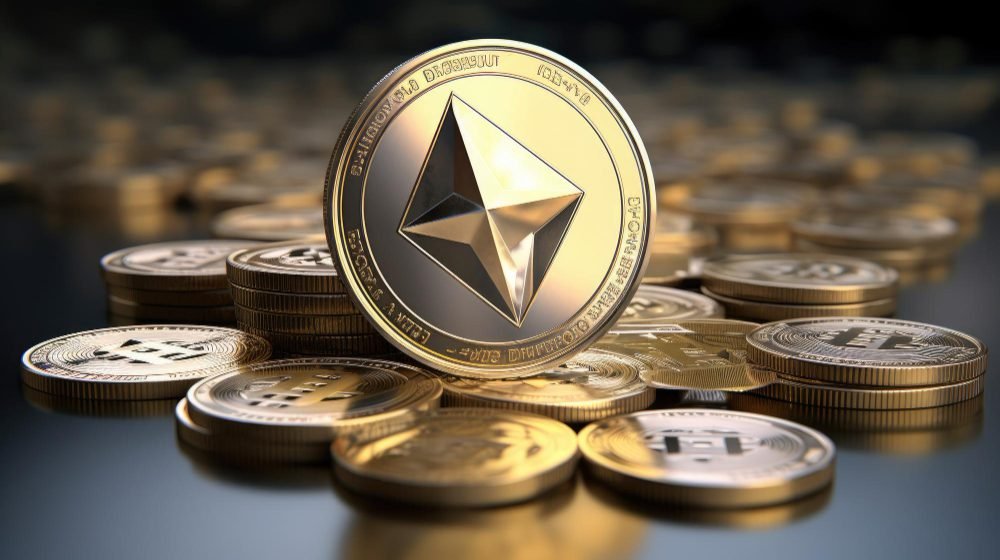
Ethereum is often compared to Bitcoin as the silver to its gold, but its real value lies in its flexibility and innovation. Unlike Bitcoin, which functions mainly as digital money and a store of value, Ethereum serves as a platform for building decentralized applications. Its blockchain hosts smart contracts, non-fungible tokens (NFTs), and decentralized finance (DeFi) platforms. This makes Ethereum a hub of activity where developers and businesses can build products that go far beyond basic payments.
Recent upgrades have boosted Ethereum’s speed and efficiency, reducing transaction times and costs. These improvements are significant because more companies are building apps on the network, from gaming and art marketplaces to complex financial tools. As demand for these services increases, Ethereum’s native token, Ether, becomes more valuable and essential.
Another key factor is regulatory progress in the United States. Policymakers are reviewing how staking, which is an important feature of Ethereum, should be treated under financial law. Clearer rules could bring even more institutional investors into the Ethereum ecosystem. With its widespread adoption, constant innovation, and improving regulations, Ethereum is one of the strongest candidates to eventually match or even surpass Bitcoin’s influence.
Ripple (XRP): Built for Fast and Affordable Payments
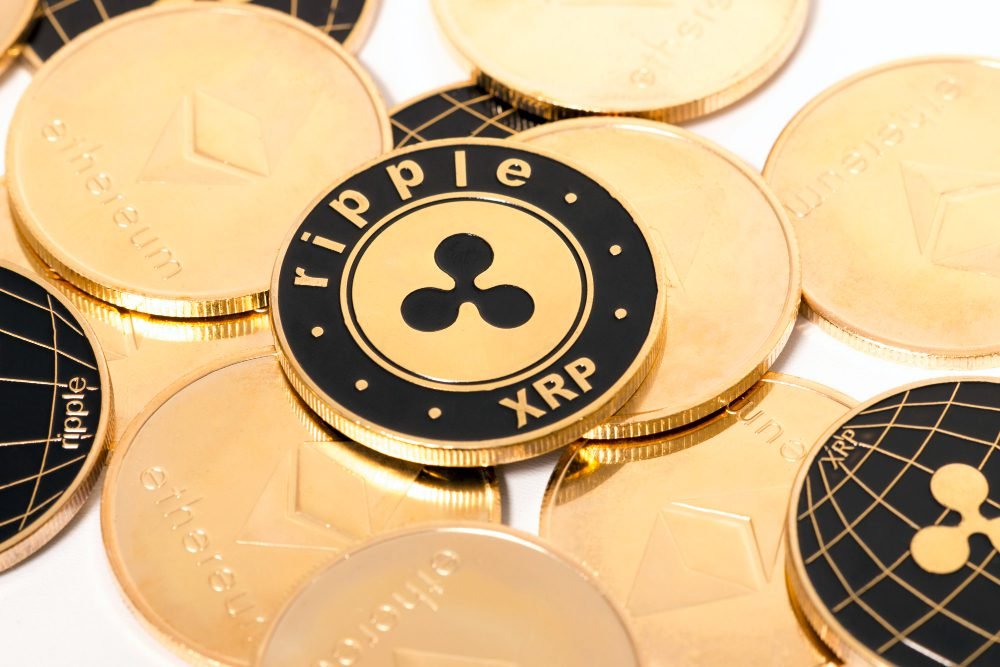
Ripple, with its digital asset XRP, is designed to make international payments faster and cheaper. Traditional transfers through banking systems like SWIFT can take several days and include high fees. In contrast, XRP transactions settle in seconds and cost only a fraction of a cent. This efficiency gives Ripple a major advantage over Bitcoin, which can take up to an hour to confirm a single payment.
This focus on speed and cost has made Ripple appealing to financial institutions worldwide. More than 300 banks and payment providers have already adopted its technology to send money across borders. Ripple’s On-Demand Liquidity (ODL) service eliminates the need for pre-funded accounts in foreign currencies, helping businesses save time and money when making global transactions.
For Americans who rely on international money transfers, Ripple offers a glimpse into what faster, blockchain-powered banking could look like. If traditional institutions continue to adopt the technology, Ripple could become one of the most important tools for the financial industry and a serious challenger to Bitcoin’s dominance.
Due to its convenient and swift transactions, Ripple is one of the top cryptocurrencies that most people use for online purchases. Furthermore, online entertainment platforms such as crypto gambling sites now allow you to fund your account using cryptocurrencies such as XRP. This cryptocurrency is also supported by new sweepstakes casinos, which, although you don’t have to play with real money, allow you to convert your sweeps into crypto and withdraw to your wallet. To easily get started, users can buy xrp crypto through trusted platforms like Paybis, which supports multiple payment methods, including credit cards and bank transfers
Solana (SOL): High-Speed Transactions for Modern Applications
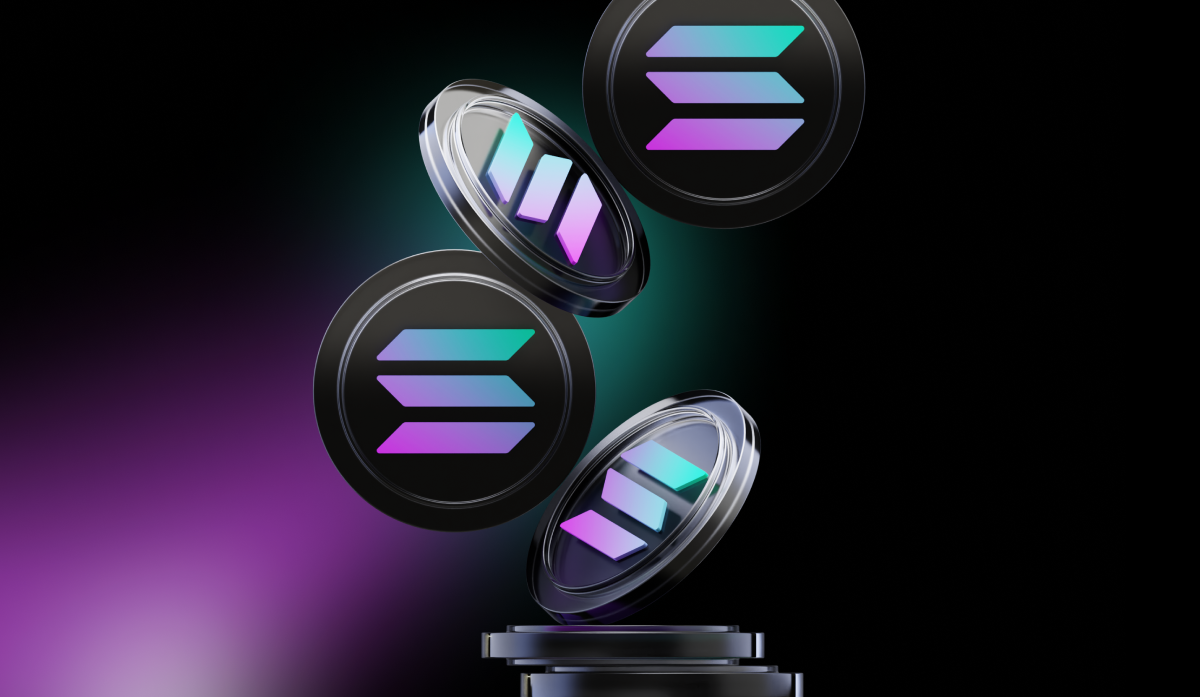
Solana has become one of the most talked-about cryptocurrencies because of its incredible transaction speed and low costs. Unlike other networks that slow down under heavy use, Solana can handle thousands of transactions per second. Fees are often less than a penny, making it highly practical for applications that require frequent and affordable transfers.
Developers are drawn to Solana for building decentralized apps, NFT marketplaces, and blockchain-based games. Its unique Proof of History consensus mechanism makes the system fast and scalable, which sets it apart from older blockchains. Although the network has faced technical outages in the past, its growth has been strong, and its community continues to expand.
Overall, Solana represents a new generation of blockchain that is fast, efficient, and ready for mass adoption. If industries such as gaming, online retail, or financial services begin to operate on a blockchain scale, Solana has the technology to support that demand. This gives it strong potential to compete with Bitcoin in the long run.
Cardano (ADA): A Sustainable and Secure Alternative

Cardano takes a different path by focusing on sustainability, security, and long-term development. Unlike some cryptocurrencies that launch quickly, Cardano is built on peer-reviewed academic research. This careful, scientific approach ensures that its blockchain is secure and reliable.
One of Cardano’s biggest advantages is its proof-of-stake model, which uses far less energy than Bitcoin’s proof-of-work system. This makes Cardano an appealing option for environmentally conscious Americans who want to support greener financial technologies. Its developers are also working with universities and governments to create real-world blockchain applications, such as digital identity systems and supply chain tracking.
The Cardano roadmap includes more tools for smart contracts and decentralized finance, giving it the ability to compete with platforms like Ethereum. Although its progress may seem slower than flashier rivals, its strong foundation and commitment to sustainability make it a long-term contender. For Americans looking for a stable and eco-friendly crypto option, Cardano offers a compelling choice.