Warning Signs of a Failing Head Gasket Before Catastrophic Failure
As you navigate the complexities of vehicle maintenance, understanding the subtle but crucial warning signs of a failing head gasket becomes paramount. This essential component, nestled between the engine block and cylinder head, plays a critical role in maintaining your car’s performance and efficiency. Whether you’re looking for Legal help after a truck crash in Cincinnati area, this article guides you on how to take proactive steps to ensure your vehicle remains in peak condition, ultimately saving time, money, and the inconvenience of unexpected breakdowns.
Understanding the Importance of a Head Gasket in Your Vehicle
The Role of a Head Gasket
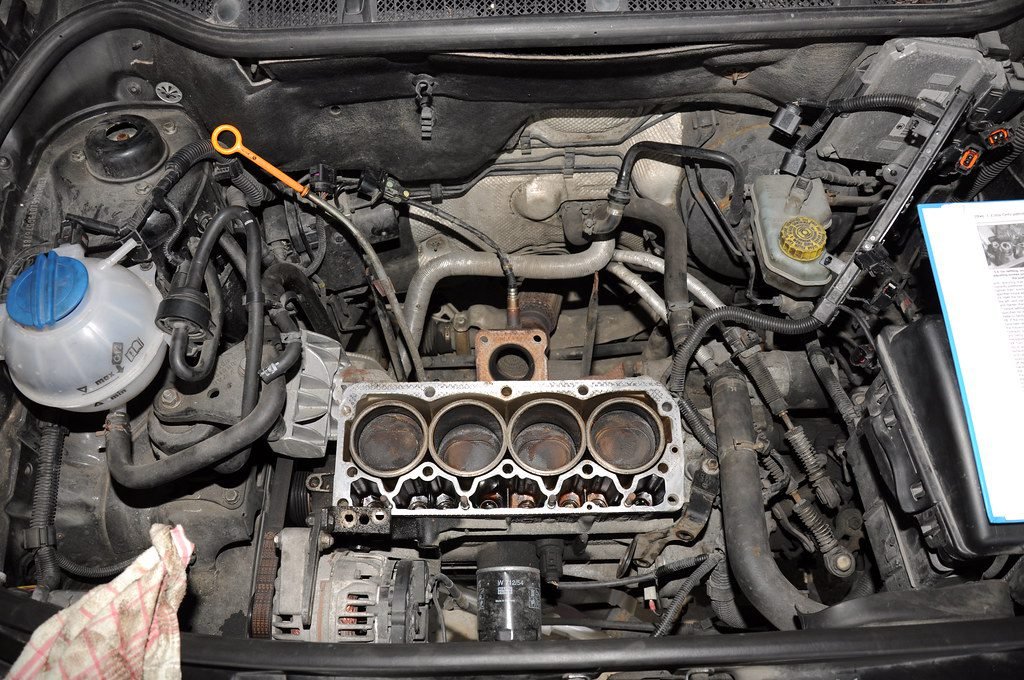
Your vehicle’s head gasket is a vital component that plays a crucial role in maintaining engine efficiency and performance. Positioned between the engine block and cylinder head, it ensures a seal that prevents coolant and oil from mixing. This separation is essential because both fluids serve distinct functions, and their interaction can lead to severe engine damage.
Maintaining Engine Integrity
The head gasket is also key in maintaining compression within the engine’s cylinders. Proper compression is necessary for the engine to generate sufficient power and operate smoothly. A failing head gasket can lead to reduced power, increased emissions, and potential misfiring. Recognizing these issues early can save you from costly repairs and ensure your vehicle remains roadworthy.
Common Symptoms of a Failing Head Gasket
Overheating Engine
One of the primary indicators of a failing head gasket is an overheating engine. When the gasket fails, it can allow coolant to leak into the combustion chamber or out of the engine, leading to insufficient cooling. As a result, the engine may overheat, causing further damage if not addressed promptly.
White Smoke from the Exhaust
If you notice thick white smoke billowing from the exhaust, it may be a sign of coolant entering the combustion chamber due to a compromised head gasket. This symptom is often accompanied by a sweet smell, indicating that coolant is burning along with the fuel.
Milky Oil
Another symptom to watch for is milky or frothy oil, which suggests that coolant has mixed with the engine oil. This mixture can lead to inadequate lubrication and increased wear on engine components, potentially resulting in severe damage to the engine. Regularly checking the oil condition can help catch this early warning sign.
Loss of Power
A failing head gasket can lead to a noticeable loss of engine power. When the gasket can no longer provide a proper seal, the engine may struggle to maintain compression, resulting in reduced performance and efficiency. This loss of power can manifest as difficulty accelerating or maintaining speed.
By staying vigilant for these symptoms, you can address a failing head gasket before it leads to more severe, costly damage. Proper maintenance and timely intervention are key to preserving your engine’s health.
Preventative Measures to Avoid Catastrophic Failure
Regular Maintenance Checks
Consistently adhering to a vehicle maintenance schedule is paramount. Regular checks of the coolant system, including hoses and radiator, help prevent overheating, a leading cause of head gasket failure. Ensuring the engine oil is clean and at the appropriate level can also protect against unnecessary engine stress.
Monitor Temperature Gauges
Stay vigilant by frequently monitoring the temperature gauge on your dashboard. Any sign of overheating should prompt immediate action. An unexplained rise in the gauge could signal potential issues with the head gasket.
Use Quality Fluids
Employing premium-quality coolant and engine oils can extend the lifespan of your engine components. High-quality fluids provide better protection against temperature extremes and help maintain optimal viscosity, thereby reducing the risk of a failing head gasket.
When to Seek Professional Help for a Suspected Head Gasket Failure
Recognizing Critical Symptoms
Early detection of head gasket issues can prevent severe engine damage. Signs such as white smoke emanating from the exhaust, unexplained coolant loss, or a milky residue on the oil cap require expert evaluation. Engine overheating is another warning sign that should not be ignored, as continued use could exacerbate the problem.
Consulting with an Automotive Specialist
Once these symptoms arise, it is crucial to consult with a certified mechanic. A professional evaluation can determine whether a head gasket failure is imminent and advise on the best course of action. They have the tools to perform compression tests and examine other engine components, ensuring a comprehensive diagnosis. Timely intervention can extend the life of your vehicle and save you from costly repairs.
Final Thoughts
Understanding the early warning signs of a failing head gasket equips you with the knowledge to protect your vehicle from catastrophic failure. Whether you’re looking for Legal help after a truck crash in the Cincinnati area, recognizing symptoms such as overheating, coolant loss, or unusual exhaust smoke can help you take prompt action to prevent further damage and costly repairs. Regular maintenance and vigilance are your allies in preserving engine integrity and ensuring road safety.