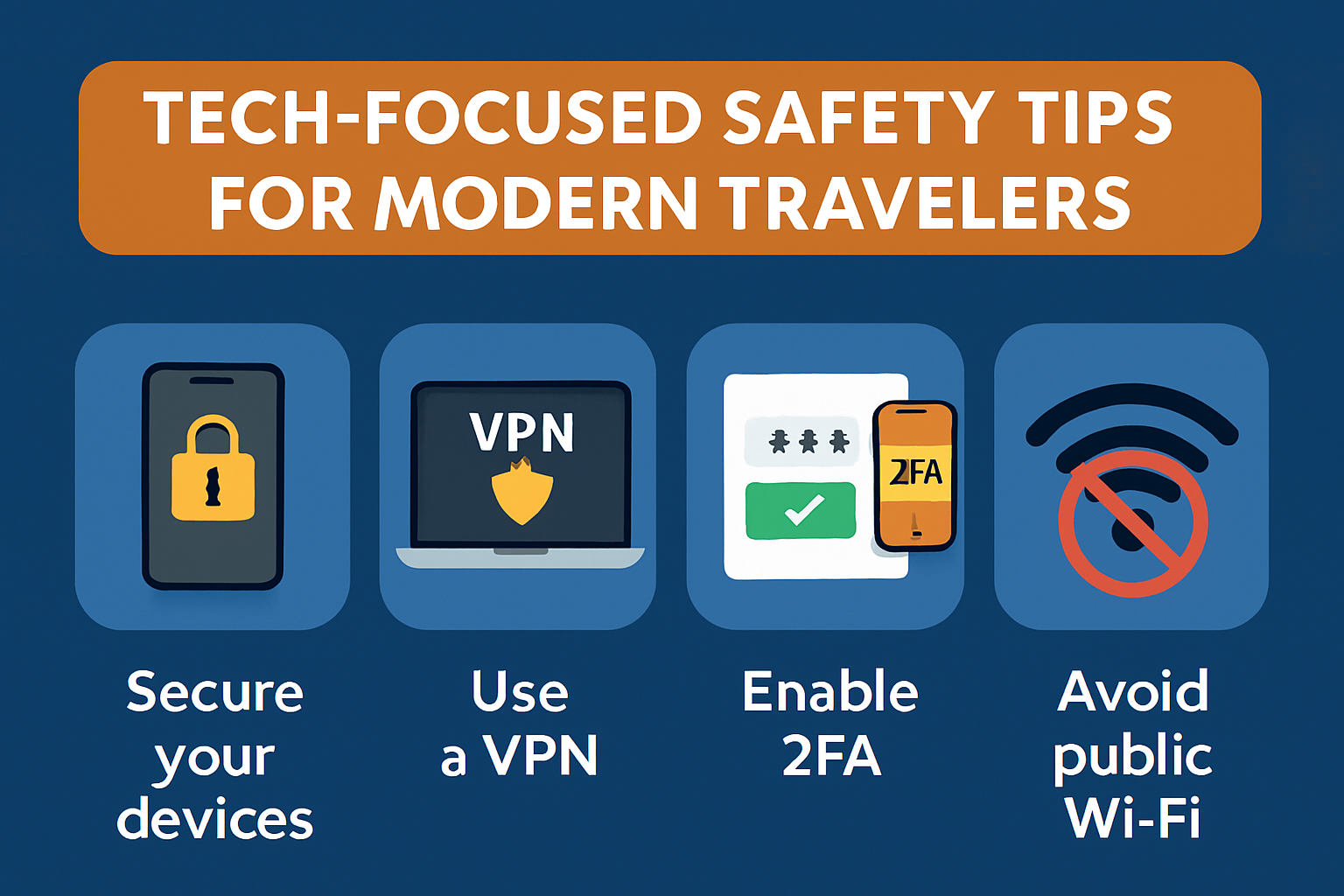
Top 5 Tech-Focused Safety Tips for Modern Travelers in 2025
- 1 Understanding Rideshare Safety Features
- 2 Your 5-Step Tech Safety Checklist
- 2.1 1. Master the Rideshare Safety Toolkit
- 2.2 2. Leverage Location Sharing & Digital Presence
- 2.3 3. Protect Your Finances and Personal Data
- 2.4 4. Stay Situationally Aware with Real-Time Alerts
- 2.5 5. The Legal Nuances of a Rideshare Accident
- 3 Unlock Safer Travels: Your Smartphone is Your Shield
Modern travel has been irrevocably altered by technology. Services like the ubiquitous Uber and Lyft have made it easier than ever to navigate unfamiliar cities, but this convenience comes with a new set of safety considerations. For the modern traveler, understanding and leveraging the powerful safety tools built into their smartphone is not just a convenience—it’s a critical component of personal security.
The core of digital safety lies in using the technology you already carry. Your smartphone is a powerful tool for protection, offering features that provide real-time location tracking, direct access to emergency services, and a detailed record of your journey. While rideshare companies have introduced increasingly sophisticated safety measures, the ultimate responsibility for your security begins with informed and proactive use of these tools.
Understanding Rideshare Safety Features
Uber and Lyft have developed a robust suite of in-app safety features to protect riders. At the core, both platforms offer ride verification with a unique PIN to ensure passengers enter the correct vehicle, a crucial defense against fake drivers.
Both services also provide a “Share Trip Status” function, allowing riders to give trusted contacts real-time updates on their journey for peace of mind. Both apps feature a direct-to-911 button in emergencies, providing a dispatcher with the user’s live location and trip details.
Uber and Lyft have implemented an in-app audio recording feature for added security, which can be used to document a trip in the event of an incident or dispute.
A key distinction in recent years has been the introduction of personalization tools; Uber offers a “Don’t Match Again” feature, while Lyft recently launched a dedicated “Block a Driver” option, empowering riders to avoid specific drivers in the future. Ultimately, comparing their safety offerings reveals a high degree of parity, with both companies continuously innovating to enhance user security.
Your 5-Step Tech Safety Checklist
Beyond the built-in safety features of rideshare apps, your smartphone is a comprehensive safety tool for all aspects of travel. This five-step checklist will guide you through using your device to maintain your security and peace of mind on the road.
1. Master the Rideshare Safety Toolkit
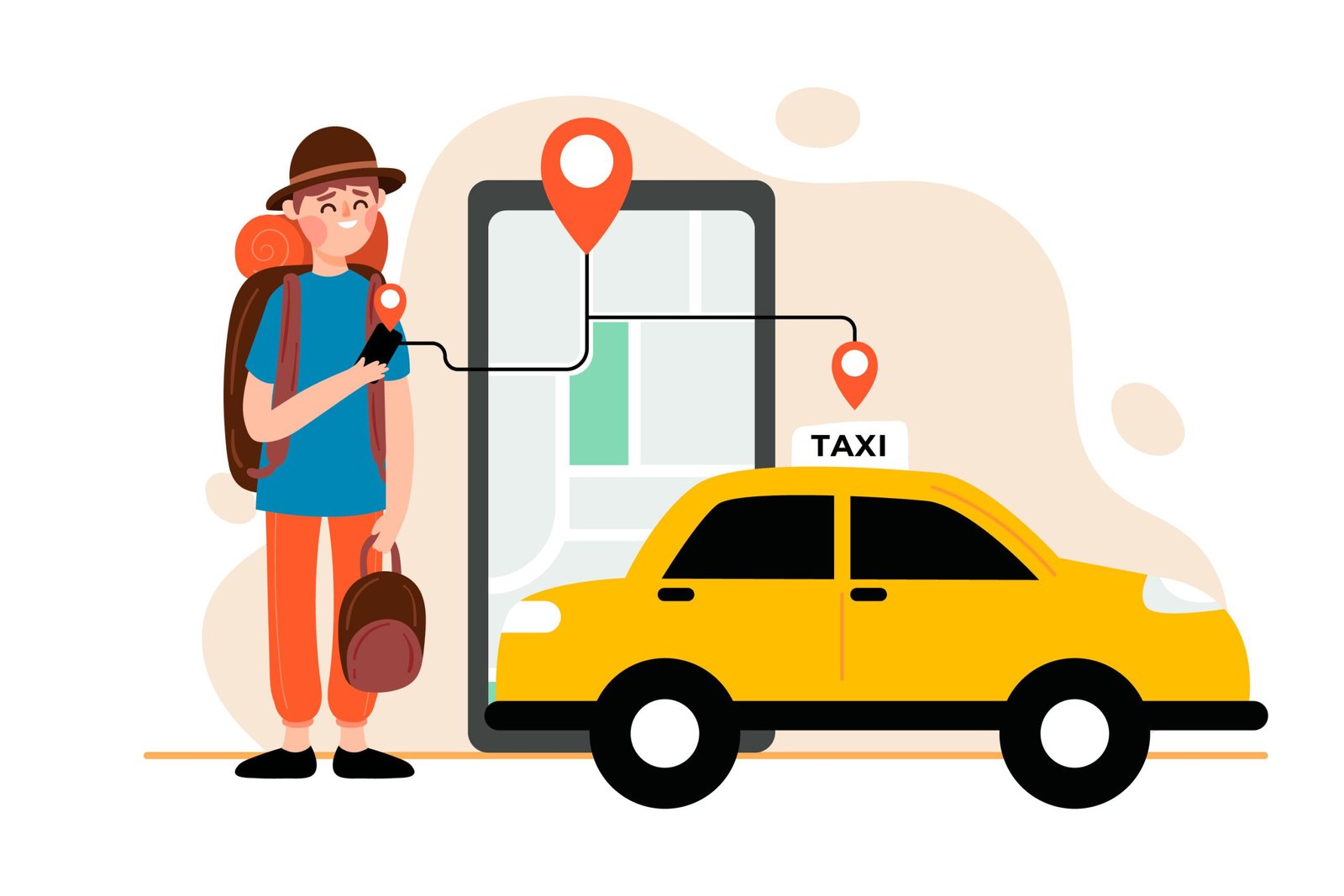
The first line of defense in rideshare safety is the app itself. The most crucial action you can take is to verify your ride before getting into the car. This means confirming that the license plate, vehicle make and model, and driver photo in the app match the vehicle that arrives. This simple step is your best protection against “ride-stealing” or imposter drivers, which has been a persistent safety concern in major US cities.
In addition, both Uber and Lyft have integrated robust in-app features designed to protect you:
- PIN Verification: This optional but highly recommended feature requires you to provide a unique four-digit PIN to the driver before the ride-sharing trip can start. It is an added layer of verifiride-sharingensures you are in the correct vehicle with the correct driver.
- In-App Emergency Button: Both apps feature a dedicated emergency button if you feel unsafe or are in immediate danger. When pressed, this button connects you to a 911 dispatcher who receives your real-time location and trip details, saving precious time in an emergency. Uber’s safety partner is ADT, while Lyft has similar partnerships for in-app support.
- Audio Recording: Uber and Lyft offer an in-trip audio recording feature to combat inappropriate or hostile behavior. This tool, available in select US markets, allows riders to record the audio of their trip, which can be submitted to the company in the event of an incident or dispute. This creates a valuable, time-stamped record of events.
- Block a Driver: As part of a recent safety update, both services offer riders more control. Uber has a “Don’t Match Again” feature, and Lyft recently introduced its “Block a Driver” option, allowing you to prevent future pairings with a specific driver.
2. Leverage Location Sharing & Digital Presence
Having a digital lifeline is a key safety measure in an unfamiliar location. Your smartphone’s native location-sharing capabilities are more powerful than ever. Features like “Find My” on an iPhone or Google Maps’ location sharing allow you to share your real-time location with a trusted contact.
Rideshare companies have also integrated this function directly into their platforms. Sharing your trip status with a friend or family member is now a standard practice that provides crucial accountability. Your loved ones can monitor your route, see your estimated arrival time, and know exactly where you are in case of a problem. These features on some rideshare platforms demonstrate a growing reliance on this simple yet effective tool for travel security.
3. Protect Your Finances and Personal Data
Financial and data security are just as vital as physical safety. As a traveler, you are often a target for scams and data theft, particularly when using unsecured networks.
- Use Credit Cards: Whenever possible, use a credit card for online bookings and transactions while traveling. Federal law and card company policies typically provide more robust fraud protection for credit cards than for debit cards. In the event of fraudulent activity, your liability is often capped, and disputes are easier to resolve.
- Beware of Public Wi-Fi: Public Wi-Fi networks in airports, cafes, and hotels are often unsecured and can be exploited by hackers. A Virtual Private Network, also known as a VPN, is essential for protecting your data. A VPN encrypts your internet connection, making it nearly impossible for malicious actors to intercept sensitive information, such as passwords, personal details, or credit card numbers.
- Official Apps Only: Always book travel through official company apps or verified websites. Avoid clicking on unfamiliar links from social media ads or emails, specifically those that seem too good to be true. Phishing scams can mislead you into providing personal information on fake booking sites.
4. Stay Situationally Aware with Real-Time Alerts
Situational awareness is paramount, and technology can give you an edge. Some specialized apps provide real-time public safety alerts and notifications about local incidents, including traffic accidents, crime, and natural disasters. While not a substitute for local law enforcement, these apps can give you valuable warnings about areas to avoid or situations to be aware of.
Additionally, subscribing to official government emergency alert systems for the city you are visiting can provide critical information about weather, road closures, or other urgent public safety announcements. By staying informed about your immediate surroundings, you can proactively avoid potential dangers before they arise.
5. The Legal Nuances of a Rideshare Accident
Even with the best preparation, accidents unfortunately can and do happen. For travelers, a collision in a rideshare vehicle introduces a unique and complex legal scenario. A 2024 survey of rideshare drivers, reported by ScienceDaily, found that approximately one-third had been in a crash while working, highlighting the importance of knowing what to do if involved.
If you are a passenger in a rideshare accident, the decisive steps you take in the immediate aftermath are crucial for any potential legal claim.
- Prioritize Your Safety: Your first action is to ensure your well-being. Move to a safe location away from traffic and check yourself and others for injuries.
- Contact Emergency Services: Call 911 immediately, even if injuries seem minor. A police report is vital evidence that documents the facts of the incident and identifies all parties involved.
- Document the Scene: If safe, use your phone to take clear, multi-angled pictures and videos of the accident scene. Capture vehicle damage, license plates, the road conditions, and visible injuries. Exchange information with the drivers involved and get contact details for any witnesses.
- Report the Incident In-App: It is essential to report the accident directly within the rideshare app. This creates an official, time-stamped record of the event with the company.
- Understand Insurance and Liability: This is where rideshare accidents differ significantly from a standard car crash. In the United States, Uber and Lyft carry commercial insurance policies that provide coverage to passengers. While this is the general framework, it’s important to note that specific coverage details and limits can vary based on state law. These policies are layered, and the level of coverage depends on the driver’s status at the time of the crash. When a passenger is on a trip, both companies provide a commercial liability policy with coverage of at least $1 million, which covers injuries and damages to the passenger. Navigating this claim process can be challenging, as rideshare companies’ insurers often seek to minimize payouts. When facing these complexities, a skilled lyft accident lawyer can provide expert guidance to ensure Lyft receives the just and fair compensation, including your medical expenses, lost wages, and other damages.
Unlock Safer Travels: Your Smartphone is Your Shield
When digital travel has become inevitable, your smartphone is your most effective safety device. By proactively using features like trip sharing, in-app emergency buttons, and secure digital practices, you can mitigate many risks.
Understanding the specific legal protocols for rideshare accidents is not just a practical tip—it is a critical necessity that can protect you from a complex and stressful process.
Combining technological vigilance with informed action transforms your phone from a communication device into a pocket-sized guardian, empowering you to travel with confidence and peace of mind.