How to Stay Safe and Confident as a Motorcycle Passenger
Riding as a passenger on a motorcycle offers a unique blend of freedom, excitement, and connection to the road. But it also comes with specific responsibilities and safety considerations that are often overlooked. Whether you’re hopping on a bike for the first time or you’re a frequent rider, understanding how to prepare mentally and physically can make a major difference in your experience. While it’s important to know your rights in case of an accident, safety begins well before anything goes wrong. A Lexington motorcycle accident attorney would agree: prevention is your first and most important form of protection.
How to Stay Safe and Confident as a Motorcycle Passenger
Choose the Right Gear
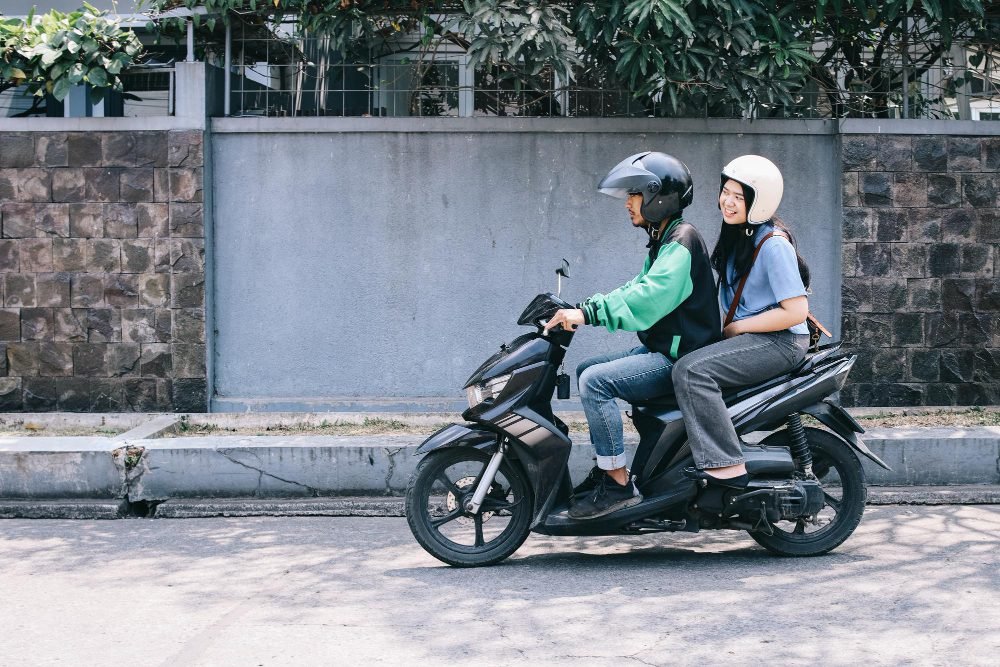
As a passenger, your safety gear is just as necessary as the rider’s. At a minimum, always wear a DOT-approved helmet. Beyond that, protective clothing—such as a durable jacket, long pants, gloves, and sturdy boots—adds crucial protection against road rash and injury. Look for gear that includes padding or armor at key impact points, such as elbows, knees, and shoulders. Avoid loose or dangling accessories that could get caught in the bike or blow into the rider’s field of vision.
Communicate Before the Ride
Before you get on the motorcycle, talk to the rider about what to expect. Discuss how to mount and dismount safely, where to hold on, and how they prefer you to sit. If you’re nervous or new to riding, don’t be afraid to speak up. A brief conversation can prevent confusion and help both of you feel more at ease.
Ask about the route, any stops, and whether you’ll be riding at highway speeds or in town. Understanding what’s ahead allows you to prepare and stay relaxed mentally.
Learn How to Sit and Move Safely
Proper body position can help with balance and comfort for both you and the rider. Sit upright and centered on the seat, keeping your feet on the foot pegs at all times—even when stopped. Hold onto the rider’s waist, belt, or grab bars, depending on the bike’s setup and your comfort level.
Avoid sudden movements or leaning in the opposite direction of a turn. Let your body follow the motion of the rider and the bike. Staying in sync improves stability and helps the rider maintain control.
Anticipate the Feeling of the Ride
Motorcycles accelerate, brake, and corner in ways that differ significantly from cars. You’ll likely feel a stronger sense of speed and motion, especially during sharp turns or quick stops. The first time on a bike can feel overwhelming, but knowing what to expect can help reduce anxiety.
Try to relax your muscles and trust the rider. Tensing up can throw off balance and make the ride less enjoyable. If you’re ever unsure or feel unsafe, a gentle tap on the rider’s shoulder is a good way to signal that you need to stop or communicate.
Be Mentally Prepared
Riding as a passenger requires a level of trust and awareness. Stay focused on the ride and your surroundings. Avoid distractions like using your phone or adjusting your gear mid-ride. If weather conditions change or traffic becomes unpredictable, stay alert and ready to respond as needed. Confidence grows with experience, but it starts with preparation. The more you understand your role as a passenger, the more enjoyable and safe the ride will be.
Final Thoughts
Being a motorcycle passenger comes with responsibility, but it also offers an unforgettable way to experience the road. By wearing the right gear, learning how to ride safely, and communicating with your rider, you can reduce risks and boost your confidence. If an accident ever does occur, a Lexington motorcycle accident attorney can help you understand your rights and the next steps to take. Until then, preparation is your best protection. Ride smart, stay alert, and enjoy the journey.