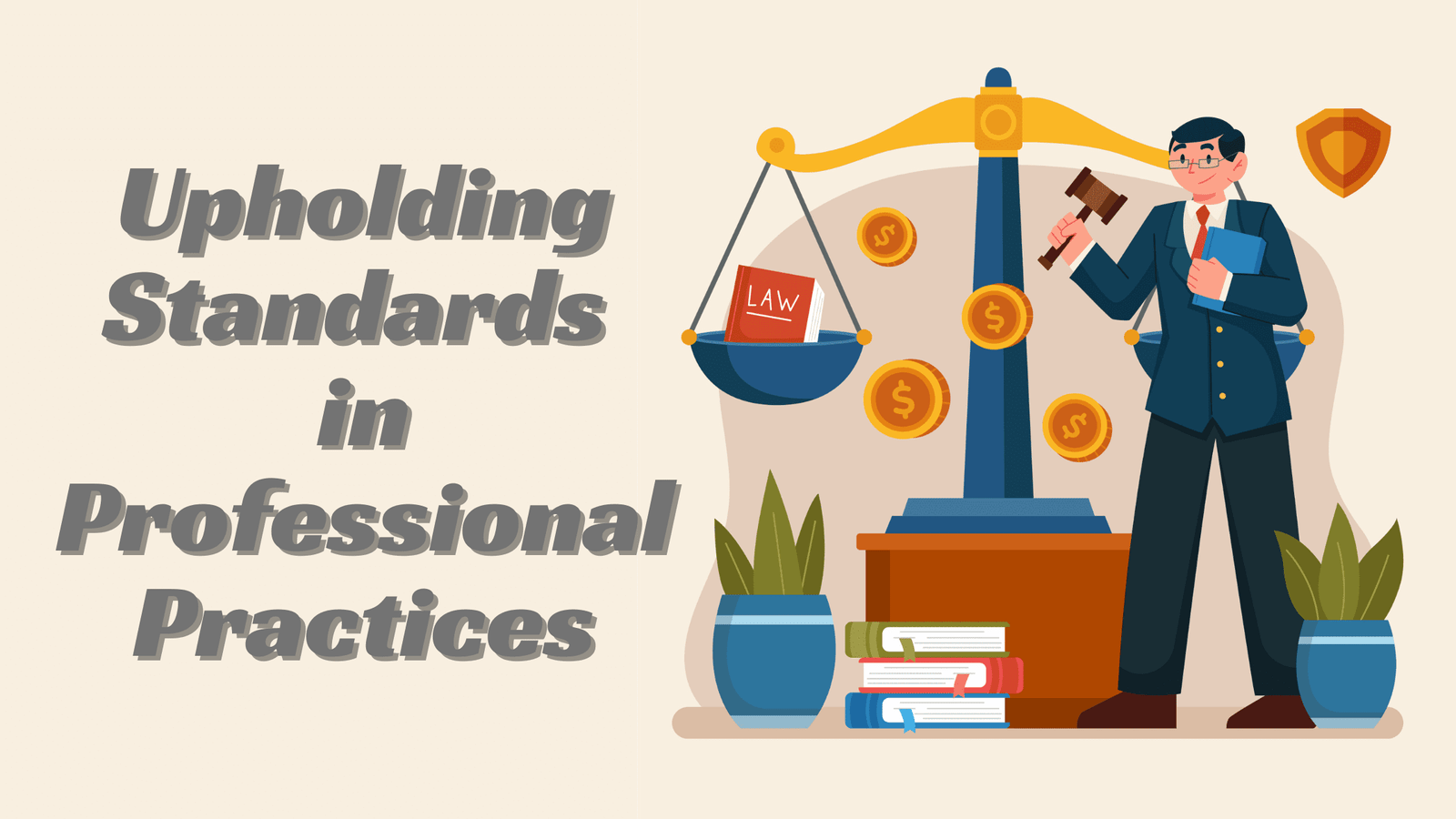
Ethics and Accountability: Upholding Standards in Professional Practices
- 1 Core Principles of Ethics
- 2 The Importance of Accountability in Maintaining Standards
- 3 Challenges in Upholding Ethical Standards
- 3.1 Balancing Competing Interests
- 3.2 Cultural and Contextual Diversity
- 3.3 Evolving Ethical Standards
- 4 Strategies for Enhancing Accountability in the Workplace
- 4.1 Foster a Culture of Transparency
- 4.2 Implement Clear Policies and Procedures
- 4.3 Encourage Feedback and Continuous Improvement
- 5 Final Thoughts
In the modern business world, you are constantly faced with ethical dilemmas and a pressing need for accountability in your professional practices. Whether you are seeking a Professional Licensing Defense, this article explores the crucial importance of upholding ethical standards and maintaining accountability in professional settings, providing insights into how to navigate complex moral landscapes and cultivate a culture of integrity.
Core Principles of Ethics
In professional settings, ethics refer to a set of principles that guide behavior and decision-making. These principles often include integrity, honesty, and accountability, forming the backbone of reliable professional conduct. By adhering to these ethical standards, professionals ensure that their actions are fair, transparent, and respectful to all stakeholders involved.
The Role of Accountability
Accountability complements ethics by ensuring that professionals are responsible for their actions and decisions. This concept involves not only admitting to errors but also actively working to rectify them. By promoting accountability, organizations cultivate a culture of trust and respect, which is essential for fostering long-term relationships and sustaining a reputable image in the industry.
The Importance of Accountability in Maintaining Standards
Accountability functions as the backbone of ethical conduct in any professional sphere. It ensures that individuals and organizations adhere to established guidelines, thereby fostering trust and reliability. When professionals are held accountable, it underscores their commitment to ethical standards, promoting an environment where integrity and transparency are prioritized.
Enhancing Professional Credibility
Maintaining accountability not only bolsters ethical conduct but also enhances professional credibility. When organizations and individuals consistently meet their responsibilities and obligations, it reinforces their reputation as dependable and trustworthy entities. This, in turn, attracts clients and partners who value integrity, thereby facilitating long-term success and sustainability in the competitive marketplace.
Encouraging Continuous Improvement
Accountability lays the groundwork for continuous improvement by providing a framework for evaluating performance and pinpointing areas for growth. By regularly assessing actions against set standards, professionals are encouraged to refine their skills and processes. This commitment to ongoing development ensures that standards are not only maintained but also elevated over time, fostering a culture of excellence.
Challenges in Upholding Ethical Standards
Balancing Competing Interests
In professional settings, maintaining ethical standards often involves navigating a complex web of competing interests. The pressure to meet business objectives can sometimes overshadow ethical considerations. For instance, financial targets can tempt professionals to prioritize profit over ethical principles, leading to conflicts of interest. Balancing these competing interests is crucial to uphold integrity and trust within an organization.
Cultural and Contextual Diversity
Ethical practices can vary significantly across different cultures and contexts, presenting challenges for global organizations. What is considered ethical in one region might be perceived differently in another, requiring professionals to adapt while maintaining core ethical principles. This diversity demands a nuanced understanding of cultural norms and legal frameworks to ensure that moral standards are respected universally.
Evolving Ethical Standards
In a changing world, ethical standards are continuously evolving. Technological advancements, for instance, have introduced new moral dilemmas, including those related to data privacy and AI ethics. Professionals must stay informed about these evolving standards and adapt their practices accordingly to ensure accountability and transparency. This ongoing evolution requires a commitment to continuous learning and ethical vigilance.
Strategies for Enhancing Accountability in the Workplace
Foster a Culture of Transparency
Building a transparent workplace culture is essential for enhancing accountability. Encourage open communication where employees feel comfortable sharing ideas and concerns. Regularly share company goals and performance metrics to keep everyone informed and up to date. Transparency empowers employees to understand their roles in the larger context, fostering a sense of responsibility.
Implement Clear Policies and Procedures
Establishing clear and well-documented policies ensures everyone understands their responsibilities. Provide training and guidelines that outline expectations, helping to prevent misunderstandings. Having consistent procedures in place also facilitates fair and accountable decision-making, as employees can refer to these guidelines to navigate workplace situations effectively.
Encourage Feedback and Continuous Improvement
Promote a feedback-rich environment to bolster accountability. Encourage constructive criticism through regular performance reviews and peer evaluations. This process not only highlights areas for improvement but also celebrates achievements, reinforcing a culture of continuous growth and accountability.
Final Thoughts
Navigating the complex landscape of professional practices, you are entrusted with the responsibility to uphold ethics and accountability. Whether you are seeking a Professional Licensing Defense, as you strive to maintain these standards, remember that your integrity not only shapes your career but also influences the broader community you serve. By championing ethical decisions and transparent actions, you help foster trust and respect within your profession.