How Resource Management Software Can Streamline Project Planning and Execution?
- 1 What Is Resource Management Software?
- 2 Why Resource Management Matters in Project Planning
- 2.1 1. Analyzing and Planning Resources
- 2.2 2. Optimizing Resource Allocation
- 2.3 3. Creating Comprehensive Project Plans
- 2.4 4. Customizing Workflows
- 3 How Resource Management Improves Project Execution
- 3.1 1. Real-time Visibility
- 3.2 2. Proactive Decision-Making
- 3.3 3. Enhancing Collaboration
- 3.4 4. Automating Routine Tasks
- 3.5 5. Controlling Costs
- 4 Key Benefits of Using Resource Management Software
- 5 Final Thoughts
In today’s competitive and fast-moving business environment, time is the most valuable resource. Organizations constantly deal with tight deadlines, budget constraints, and increasing demands from clients. While assigning, analyzing, and managing tasks manually may work for small teams, as businesses grow, it becomes inefficient, error-prone, and time-consuming. This is where resource management software comes into play.
With the right solution, businesses can streamline project planning, task assignment, progress tracking, and resource allocation under a single platform. Instead of juggling spreadsheets, emails, and manual coordination, project managers can rely on automation, real-time insights, and collaboration features that simplify execution.
In this article, we’ll dive deep into what resource management software is, why it has become essential for modern organizations, and how it transforms both project planning and execution.
What Is Resource Management Software?
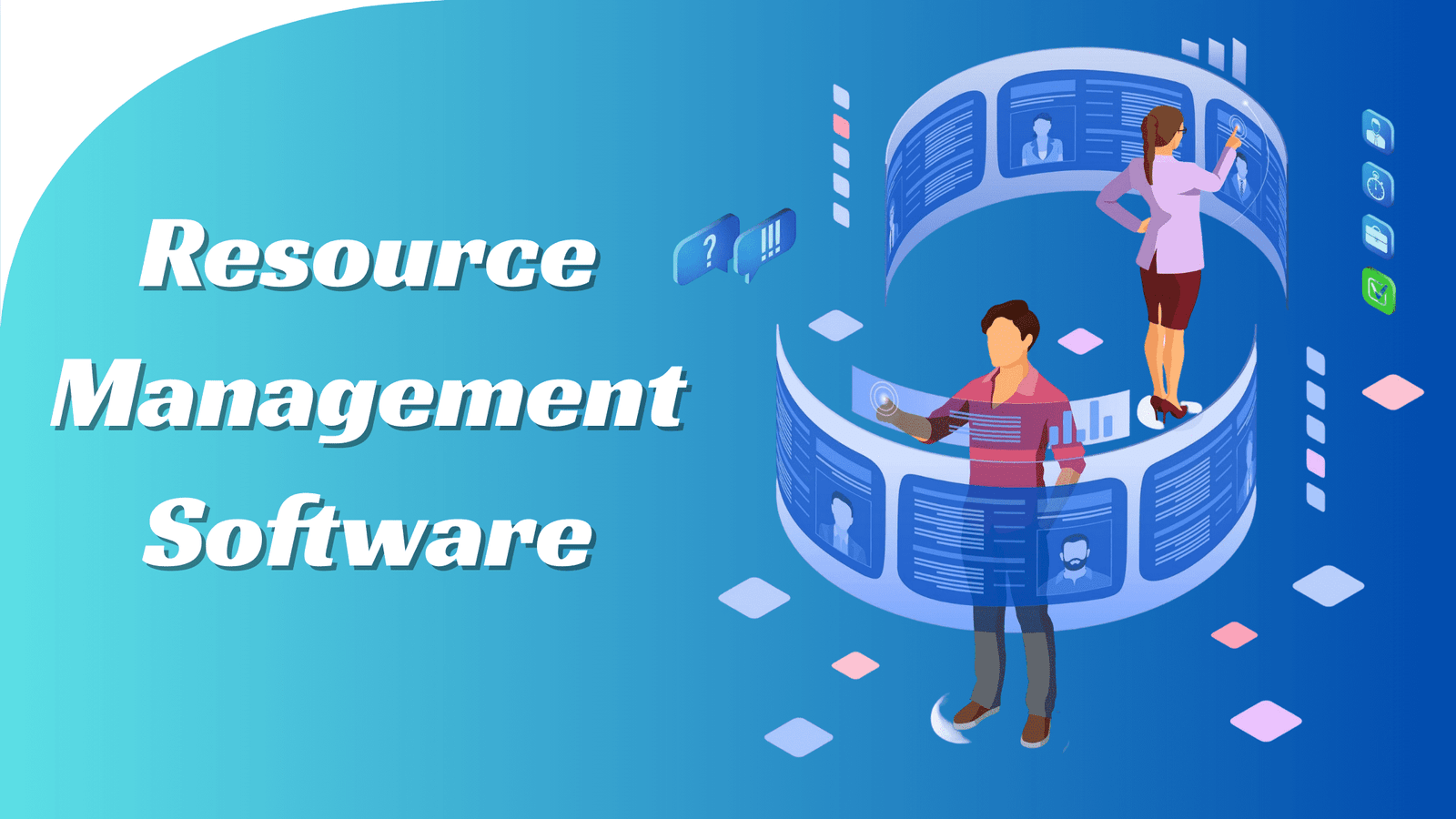
At its core, resource management software is a tool that helps organizations effectively plan, schedule, allocate, and monitor resources—including people, technology, budgets, and equipment.
An ideal resource management platform ensures:
Proper planning of resources so that no task is left unassigned or duplicated.
Effective scheduling, making sure the right people are working on the right tasks at the right time.
Balanced workload distribution, so employees are not overburdened while projects run smoothly.
Real-time tracking and reporting, enabling better visibility and accountability.
This type of software goes beyond simple project management. It aligns workforce capacity with project demand, helping businesses achieve more with fewer bottlenecks. For example, tools like Profinda allow organizations to identify employee skill sets, analyze availability, and assign projects intelligently—all within a unified platform.
Why Resource Management Matters in Project Planning
Before we talk about execution, let’s focus on planning—the foundation of any successful project. Poor planning often leads to missed deadlines, cost overruns, and wasted efforts. Resource management software helps managers overcome these challenges by optimizing how resources are identified, assigned, and utilized.
Here’s how it streamlines project planning:
1. Analyzing and Planning Resources
Resource management software provides insights into the availability, skills, and workload of team members. Instead of relying on guesswork, managers can view real-time dashboards that highlight who is available, what expertise they bring, and how much capacity they have left.
This creates a holistic view of resource capacity vs. project demand, reducing the chances of underutilization or overbooking.
2. Optimizing Resource Allocation
Once resource data is available, managers can match the right people with the right tasks. The software prevents uneven workload distribution and ensures no single team member is overwhelmed while others remain idle.
For example, a content project may need writers, editors, and designers. A resource management tool ensures each task is assigned to the most suitable person based on their skills, availability, and past performance.
3. Creating Comprehensive Project Plans
Instead of static spreadsheets, managers can build dynamic project plans with features like task dependencies, milestones, and deadlines. These plans can be adjusted easily if project priorities shift.
Tasks are not just assigned—they are scheduled in a way that keeps the project on track and within deadlines.
4. Customizing Workflows
Every team operates differently. Resource management software allows organizations to customize workflows that suit their processes. Whether it’s an agile sprint-based workflow or a traditional waterfall approach, the software adapts to your team’s style.
It can also integrate with other business tools, providing employees with the right technology and ensuring resources are used effectively.
How Resource Management Improves Project Execution
Planning sets the stage, but execution determines success. Even the best-laid plans can fall apart if execution lacks structure, communication, and adaptability. Resource management software plays a crucial role here, too.
Here’s how it enhances project execution:
1. Real-time Visibility
Managers no longer have to wait until the end of the week to review progress reports. Resource management tools provide real-time visibility into:
Resource allocation
Task progress
Utilization rates
Project milestones
This visibility enables managers to spot issues early—such as resource conflicts, delays, or overutilization—before they escalate.
2. Proactive Decision-Making
Because the software delivers live data, managers can make quick and informed decisions. For example, if a task is behind schedule, they can reassign it to another available resource instantly.
This agility is especially valuable in industries where project requirements change frequently.
3. Enhancing Collaboration
Resource management software acts as a central hub for communication and coordination. Team members can access shared dashboards, upload files, leave comments, and track progress—all in one place.
This minimizes miscommunication, reduces the need for long email chains, and keeps everyone aligned.
4. Automating Routine Tasks
Many repetitive tasks—such as assigning work, updating schedules, sending reminders, or generating reports—can be automated. This not only saves time but also reduces the risk of human error.
Automation allows managers and employees to focus more on strategic, high-value tasks rather than administrative work.
5. Controlling Costs
Mismanaged resources often lead to wasted time and inflated budgets. By ensuring proper allocation, avoiding duplication of effort, and improving efficiency, resource management software helps organizations stay within budget.
It also provides cost-related insights, such as how many hours were spent on each task and how resource allocation impacts the overall budget.
Key Benefits of Using Resource Management Software
To summarize, implementing the right tool can provide organizations with:
Better efficiency through optimized planning and allocation
Improved project success rates by ensuring projects are completed on time and within budget
Increased employee satisfaction by preventing overwork and burnout
Higher transparency and accountability through real-time tracking
Data-driven decisions that enhance agility and adaptability
Final Thoughts
In today’s technology-driven world, organizations cannot afford to rely on outdated, manual methods of managing projects and resources. The stakes are too high—delays, inefficiencies, and cost overruns can quickly derail growth.
Resource management software provides a centralized, intelligent, and automated approach to project planning and execution. It ensures that the right people are working on the right tasks at the right time, while managers have full visibility and control.
If your business is struggling with project delays, miscommunication, or inefficient resource use, investing in a robust resource management solution is no longer optional—it’s a necessity.
Looking for the best tool to streamline your project planning and execution? Profinda stands out as one of the leading resource management platforms, designed to help businesses analyze, allocate, and optimize resources effectively. By adopting such a solution, you ensure smoother workflows, greater productivity, and successful project outcomes.