The Good and the Bad: Evaluating Ahrefs as an SEO Tool
Search Engine Optimization (SEO) tools are essential for digital marketers, and Ahrefs is often mentioned among the top choices. With its comprehensive set of features, Ahrefs is designed to assist SEO professionals in every aspect of their work, from keyword research to tracking the ranking and analyzing backlink profiles. But as with any tool, it has its own strengths and limitations, which are crucial to understand before investing in it. Below, we delve into what Ahrefs testimonials offer, their benefits, their drawbacks, and how they compare to other tools in the market. Keep reading to gain a balanced view of one of the most talked-about resources in the SEO community.
Understanding Ahrefs: A Comprehensive SEO Tool Overview
Ahrefs is a multifaceted SEO tool that aids in enhancing a website’s online visibility. Central to its suite of features is the ability to conduct detailed backlink analysis, which has often been cited as the tool’s original standout capability. With its extensive database, Ahrefs allows users to see which websites link to their own, providing invaluable information on how to build a robust backlink profile.
Keyword research is another domain where Ahrefs shines by enabling SEO experts to discover lucrative keywords and understand their difficulty and search volumes. The Content Explorer and Rank Tracker are additional features, designed to help users find popular content within their niche and monitor their website’s ranking for certain keywords, respectively. Additionally, the Site Audit function facilitates the identification of SEO issues that may be affecting a site’s performance.
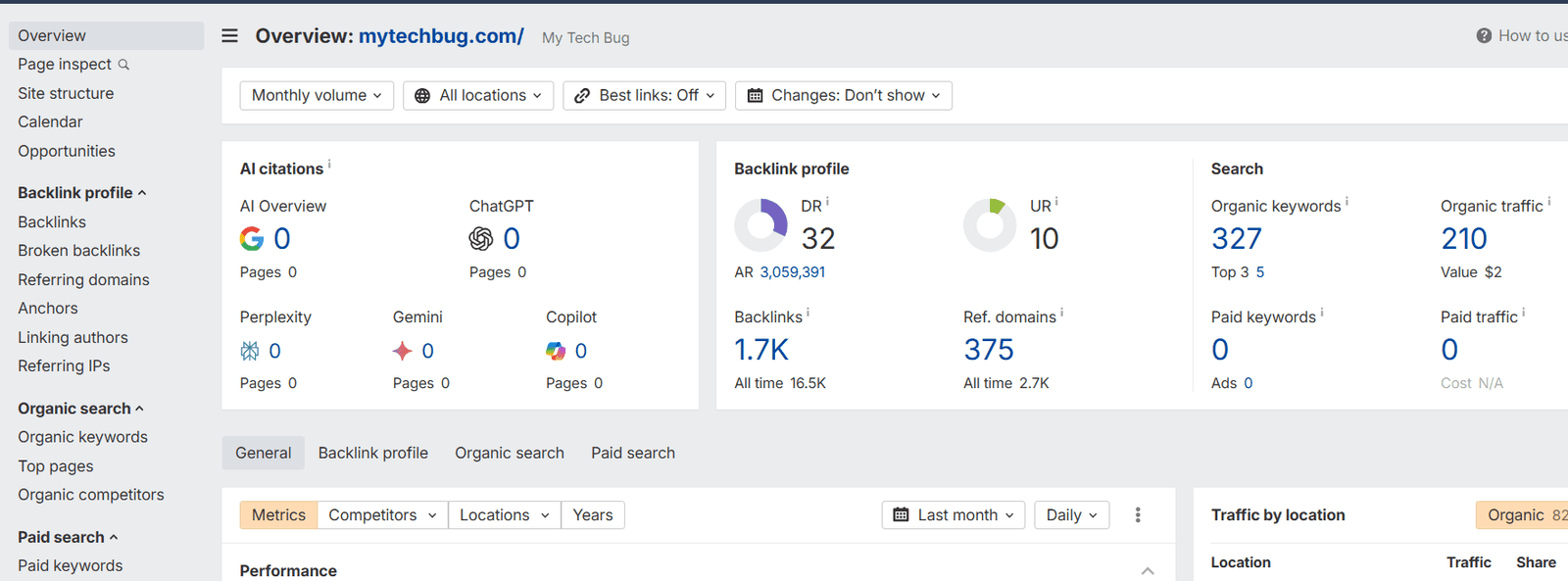
Ahrefs is also often lauded for its data visualization. By translating complex data into more digestible graphics, users can quickly grasp insights without being overwhelmed by raw numbers. This aspect of user experience design showcases the tool’s commitment to making SEO accessible to a wider audience, from novices to seasoned professionals.
The Strengths of Ahrefs: Why It Stands Out In SEO Management
Ahrefs stands out in several key areas. The backlink analysis, for instance, is highly regarded in the SEO community. It allows users to delve deep into their backlink profile, understanding not just the quantity but also the quality of links they are receiving. This focus on backlinks is vital, given their significant role in Google’s ranking algorithms.
The tool’s keyword research functionality is equally powerful, boasting a huge keyword database that’s updated with fresh keywords every month. Users can explore keyword difficulty scores and search volumes, which are essential for targeting the right keywords in an SEO campaign. The granularity of the data provided supports highly targeted and strategic campaigns that can make a noteworthy difference in search engine results.
User engagement is facilitated by the tool’s intuitive interface and informative dashboards. Features like Rank Tracker provide users with regular updates on their search engine rankings, helping them gauge the effectiveness of their SEO strategies. Based on their goals, users can customize the reports to focus on specific data points that are most relevant to their work.
The Limitations of Ahrefs: Areas Where It Falls Short
Despite its numerous strengths, Ahrefs is not without its limitations. The tool comes with a price tag that may be steep for individuals or small businesses just starting. The cost can be a significant factor when deciding whether to integrate Ahrefs into one’s regular SEO toolkit, especially when competing tools offer cheaper or even free alternatives for some of their features.
Some users might also find the overwhelming amount of data and features a bit daunting, especially those new to SEO or those with more straightforward needs. While the rich data is a boon to many, for others, navigating through the multitude of options and information can be confusing and time-consuming.
Ahrefs also tends to focus more on backlinks and keywords, which, while both crucial, may not fully address other SEO concerns, such as local SEO or social media presence. For businesses that gauge their performance through a wide array of parameters, this focus might necessitate the use of additional tools to cover all bases.
Ahrefs is a strong contender in the world of SEO tools, particularly for those who prioritize comprehensive backlink analysis and keyword research. Its array of features, paired with an emphasis on data accuracy and user experience, makes it a valuable asset for SEO practitioners. However, the cost and focus on specific facets of SEO may guide potential users towards considering other tools that better fit their individual or business needs. In conclusion, Ahrefs offers an impressive toolkit for SEO optimization, but like any solution, it should be evaluated in the context of one’s specific objectives and requirements.