
The Top 5 Hobbies to Pick Up in Retirement
Retirement marks the beginning of a new chapter—one filled with freedom, flexibility, and the opportunity to focus on passions that may have taken a backseat during the busy years of work and family responsibilities. For many, this stage of life is not about slowing down but about rediscovering joy, learning, and creating meaningful experiences. Choosing the right hobbies can provide structure to your days, keep you physically and mentally healthy, and enrich your social life.
With countless possibilities out there, it can feel overwhelming to decide where to start. That’s why exploring hobbies that balance personal growth, physical activity, and community involvement is so valuable. Below are five fulfilling hobbies to consider as you transition into retirement, along with insights into how they can enhance your quality of life.
1. Gardening for Relaxation and Health
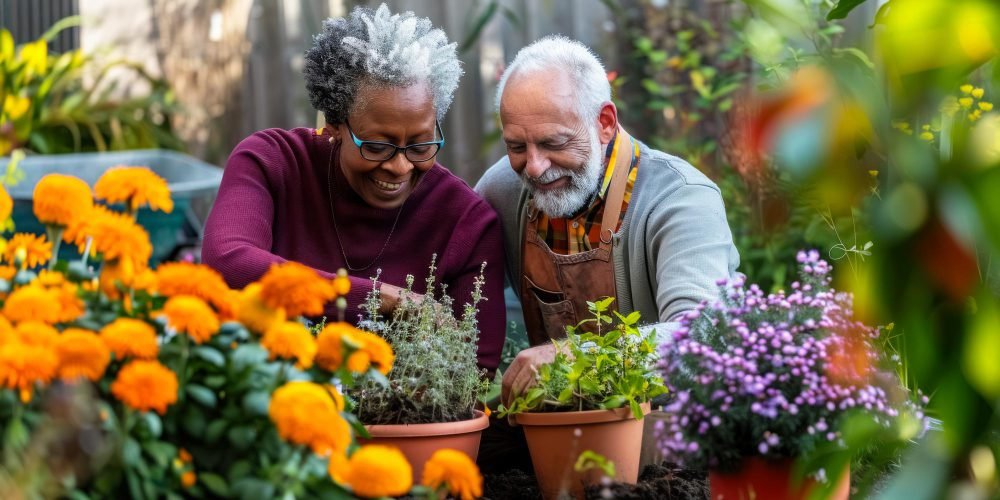
Gardening has long been celebrated as a hobby that combines beauty, exercise, and emotional wellness. For retirees, it can be both therapeutic and practical.
Physical benefits: Gardening requires movement, whether it’s digging, planting, or pulling weeds. These activities improve flexibility, strength, and cardiovascular health. For those concerned about mobility, raised beds and container gardens make it easier to enjoy the activity without strain.
Mental health boost: Studies have shown that spending time in nature reduces stress, improves mood, and lowers blood pressure. Nurturing plants offers a sense of accomplishment and purpose.
Nutritional rewards: Growing vegetables and herbs provides fresh, organic produce, encouraging healthier eating habits. Imagine enjoying a salad made with tomatoes, cucumbers, and lettuce you’ve grown yourself.
For retirees with limited outdoor space, indoor gardening or balcony-friendly plants can be equally satisfying. Some even join community gardens, which not only provide a place to grow but also foster connections with fellow enthusiasts. Gardening doesn’t have to be expensive—basic tools, seeds, and soil are often all that’s needed to get started.
2. Traveling and Cultural Exploration

One of the greatest gifts of retirement is the ability to travel without the constraints of limited vacation days or demanding schedules. Whether near or far, travel opens the door to discovery and lifelong memories.
Local adventures: Retirement travel doesn’t always require an international flight. Exploring nearby towns, national parks, or coastal regions can be just as rewarding. A simple road trip can uncover hidden gems close to home.
Cultural immersion: Traveling allows retirees to explore new traditions, cuisines, and histories. From sampling authentic street food in Thailand to attending a local jazz festival in New Orleans, cultural exploration adds richness to retirement.
Social connections: Group tours and cruises provide opportunities to meet like-minded travelers, creating bonds that often extend beyond the trip itself.
To make the most of retirement travel, many retirees set aside a dedicated travel fund. Working with a financial advisor ensures that these adventures fit comfortably within a retirement budget, preventing overspending while still allowing room for exploration. Even small, regular getaways can provide excitement and variety in day-to-day life.
3. Volunteering in the Community

Retirement often inspires a desire to give back. After decades of experience and knowledge, many retirees find fulfillment in sharing their time and talents through volunteer work.
Building purpose: Volunteering fills the gap that sometimes emerges after leaving a career. It creates a sense of purpose and provides structure to weekly routines.
Strengthening communities: Retirees bring valuable skills to local organizations, nonprofits, and schools. From mentoring young entrepreneurs to supporting food banks, their contributions make a tangible difference.
Personal benefits: Beyond altruism, volunteering helps combat isolation and keeps retirees socially engaged. It also stimulates the mind, especially when tasks involve problem-solving or creative thinking.
Opportunities abound—from libraries and hospitals to environmental groups and religious organizations. Some retirees even combine travel and service through programs like “volunteer vacations,” where participants contribute to meaningful projects while experiencing new destinations.
4. Learning a New Skill or Hobby

Retirement is often viewed as the perfect time to invest in self-discovery. With fewer obligations, retirees can finally pursue passions that were once postponed.
Creative outlets: Painting, writing, photography, or playing a musical instrument are hobbies that allow self-expression and stress relief. Many retirees discover talents they never realized they had.
Practical skills: Woodworking, sewing, or cooking classes provide both enjoyment and practical outcomes. Creating something with your hands offers immense satisfaction.
Intellectual growth: Enrolling in courses—whether at a local community center or online—keeps the brain sharp. Universities often offer discounted or free classes for seniors.
Lifelong learning has been linked to improved memory, better problem-solving abilities, and even reduced risk of dementia. Online platforms like Coursera, Udemy, and MasterClass provide affordable access to courses taught by experts worldwide. For those seeking social connection, joining clubs or group classes adds a communal aspect to the learning experience.
5. Staying Active with Fitness or Sports

Staying physically active in retirement is essential for maintaining independence, vitality, and overall well-being. The good news is that fitness doesn’t have to mean grueling workouts; it can be enjoyable, social, and tailored to individual abilities.
Low-impact activities: Walking groups, yoga, and swimming are gentle yet highly effective ways to improve flexibility, balance, and cardiovascular health.
Social sports: Pickleball has become especially popular among retirees, offering a fun, low-stress way to stay active while meeting new people. Tennis, golf, or bowling leagues are also excellent options.
Personal wellness: Regular exercise reduces the risk of chronic diseases like diabetes and heart disease, boosts mood through endorphins, and supports healthy sleep patterns.
Some retirees prefer structured fitness programs, while others integrate activity into daily routines—gardening, hiking, or simply taking the stairs. The key is finding an activity that feels enjoyable and sustainable, ensuring it becomes part of a regular lifestyle.
Planning Hobbies Around Your Retirement Lifestyle
While hobbies enrich retirement, it’s important to balance them with financial stability. Travel, classes, or even maintaining a large garden can come with expenses, so planning makes hobbies sustainable long-term.
A financial advisor can help retirees align lifestyle goals with their retirement budget. For example, setting aside funds for annual travel, factoring in healthcare costs, or investing in equipment for hobbies ensures that passions don’t jeopardize long-term security. At TruNorth Advisors, clients receive personalized retirement planning that considers both financial health and lifestyle goals. This thoughtful approach helps retirees confidently pursue hobbies without worrying about overspending or compromising future stability.
Final Thoughts
Retirement is far from an ending—it’s the beginning of a new, vibrant stage of life. The right hobbies not only fill time but also bring joy, health, and purpose. Gardening nurtures both the body and mind, travel expands horizons, volunteering fosters connection, learning stimulates growth, and fitness ensures vitality.
By choosing hobbies that align with personal passions and financial realities, retirees can design a lifestyle that is fulfilling, balanced, and sustainable. With the right planning and mindset, retirement becomes not just a phase of rest but one of renewal, discovery, and lasting happiness.