How to get divorced in Australia without going to court: The uncontested checklist
- 1 Eligibility and Legal Basics
- 1.1 Residency and Separation Requirements
- 1.2 Grounds for Divorce
- 1.3 When an Uncontested Path is Not Available
- 2 Pre-application: Reach an Agreement with Your Former Partner
- 2.1 Parenting Agreements and Parenting Plans
- 2.2 Financial Agreements and Consent Orders
- 2.3 Mediation and Family Dispute Resolution Options
- 2.4 Documents You Will Need
- 2.5 Draft Consent Orders or Binding Financial Agreement
- 2.6 Evidence for Parenting Arrangements
- 2.7 Step-by-step: Applying Without Attending Court
- 2.8 Filing Online via the Commonwealth Courts Portal
- 2.9 Serving Documents and Proving Service
- 2.10 Registry Processing and Finalisation of Divorce
- 2.11 Formalising Parenting and Financial Agreements
- 2.12 Binding Financial Agreements
- 2.13 Enforceability and Record Keeping
- 2.14 Property and Debt Settlement
- 2.15 Negotiation Strategies and Dispute Resolution
- 2.16 When to Involve Lawyers
- 2.17 Timeline and Likely Costs
- 2.18 Cost Breakdown
- 2.19 Ways to Reduce Cost
- 3 Conclusion
Ending a marriage is rarely easy, but Australia’s legal system offers a straightforward path for couples who agree on the terms of their separation. Many Australian couples are discovering they can finalise their divorce without the stress, expense, and formality of court appearances. If you and your former partner are on speaking terms, consulting with family lawyers in Melbourne can help you understand if an uncontested divorce is right for your situation. This checklist walks you through the entire process from eligibility to finalisation.
- You must be separated for at least 12 months before applying for divorce in Australia.
- Uncontested divorces can be completed entirely online without court appearances.
- Parenting and financial arrangements should be formalised separately from the divorce itself.
- Proper documentation and agreement between parties are essential for the uncontested process.
- Most uncontested divorces cost between $600-$2,000, depending on complexity and legal assistance.
Eligibility and Legal Basics

Residency and Separation Requirements
To qualify for divorce in Australia, you must either be an Australian citizen, ordinarily live in Australia, or consider Australia your home with the intention to live here indefinitely. The mandatory separation period is 12 months, with no exceptions. This requirement applies to married couples only – de facto relationships are handled differently under family law.
Grounds for Divorce
Australia operates under a no-fault divorce system. This means you don’t need to prove wrongdoing by either party. The only ground for divorce is the irretrievable breakdown of marriage, demonstrated by 12 months of separation.
When an Uncontested Path is Not Available
The uncontested route isn’t suitable for everyone. If you have children under 18 and can’t agree on parenting arrangements, unresolved property disputes, or if either party contests any aspect of the divorce, you may need court intervention.
Pre-application: Reach an Agreement with Your Former Partner
Parenting Agreements and Parenting Plans
A comprehensive parenting plan should cover time arrangements, communication methods, decisions about schooling and health matters, and a process for resolving future disagreements. While not legally enforceable on their own, parenting plans demonstrate your commitment to cooperative parenting.
Financial Agreements and Consent Orders
Financial matters can be formalised through either a binding financial agreement or consent orders. Consent orders are approved by the court but don’t require an appearance. Binding financial agreements must meet strict criteria, including independent legal advice for both parties.
Mediation and Family Dispute Resolution Options
If you have children under 18, you’ll typically need to attend family dispute resolution and obtain a certificate before applying to court for parenting orders. This requirement applies even in mostly amicable separations, as it helps establish workable arrangements for children.
Documents You Will Need
Divorce Application Forms and Supporting Paperwork
You’ll need your marriage certificate (translated if not in English), evidence of your separation date, and identity documents. If you’ve changed your name since marriage, you’ll also need evidence of this change.
Draft Consent Orders or Binding Financial Agreement
For financial settlements, prepare either an application for consent orders or a binding financial agreement. These must detail all assets, liabilities, and financial resources of both parties, including superannuation.
Evidence for Parenting Arrangements
Gather children’s details, school records, and documentation of any existing arrangements. If applying for consent orders regarding children, you’ll need to show how your proposed arrangements serve their best interests.
“The most efficient divorces occur when both parties focus on practical outcomes rather than emotional grievances. Documentation and full disclosure are absolutely critical to the uncontested process.” – Pearsons Lawyers.
Step-by-step: Applying Without Attending Court
Joint vs Sole Application Process
A joint application is simpler as it doesn’t require the service of documents. If filing a sole application, you must formally serve documents on your spouse and file proof of this service. Joint applications also signal to the court that both parties agree to the divorce.
Filing Online via the Commonwealth Courts Portal
The entire application can be completed online through the Commonwealth Courts Portal. You’ll upload documents, pay the filing fee (currently $940, though fee reductions are available for concession card holders and those experiencing financial hardship), and receive confirmation of your application.
Serving Documents and Proving Service
For sole applications, documents must be served at least 28 days before the hearing if your spouse is in Australia, or 42 days if they’re overseas. Service can be by post, hand, or through a lawyer, but not by you personally.
Registry Processing and Finalisation of Divorce
Most uncontested divorces are processed within 1-2 months after filing. If approved, your divorce becomes final one month and one day after the hearing date (or date the application is assessed if no hearing is required).
Formalising Parenting and Financial Agreements
Converting Agreements into Consent Orders
To make your agreements legally binding, submit an Application for Consent Orders form with your detailed agreement. The court reviews these without requiring an appearance and can approve them if deemed fair and reasonable.
Binding Financial Agreements
These agreements must comply with sections 90B, 90C, or 90D of the Family Law Act, depending on when they’re made. Both parties must receive independent legal advice, and certificates confirming this must be attached to the agreement.
Enforceability and Record Keeping
Keep certified copies of all orders, agreements, and the divorce order itself. Store electronic copies securely and inform relevant organisations (banks, superannuation funds, etc.) about changes to your legal status and arrangements.
Property and Debt Settlement
Full Financial Disclosure Checklist
- Income details (tax returns, pay slips)
- Asset documentation (property valuations, vehicle registrations)
- Liability statements (mortgages, loans, credit cards)
- Superannuation statements
- Business interests and valuations
- Inheritances and gifts
- Trust and company structures
Negotiation Strategies and Dispute Resolution
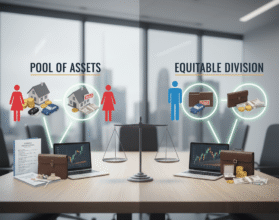
Consider mediation, collaborative law approaches, or private negotiation to reach an agreement. Focus on fair division of assets based on contributions and future needs rather than simply aiming for a 50/50 split.
When to Involve Lawyers
While the uncontested process minimises legal involvement, seek legal advice if: the asset pool is complex, one party seems uncooperative, power imbalances exist, or you’re uncertain about entitlements. Early legal advice often prevents more costly intervention later.
Timeline and Likely Costs
Expected Timeline for an Uncontested Divorce
From application to finalisation, an uncontested divorce typically takes 3-4 months. Property settlements through consent orders take approximately 2-3 months for court approval once submitted.
Cost Breakdown
Filing fee: $940 (as of 2023, subject to change)
Legal advice: $300-$500 per hour if needed
Mediation: $0-$2,000 depending on provider
Consent orders application: $170
Ways to Reduce Cost
Utilise community legal centres for initial advice, consider shared legal consultations for consent orders, and use online resources from the Federal Circuit and Family Court of Australia website to prepare your own documents where appropriate.
Conclusion
The uncontested divorce process offers Australians a dignified, cost-effective way to legally end their marriage without courtroom drama. By following this checklist and preparing thorough documentation, most couples can navigate the entire process online. Remember that divorce only ends the marriage – parenting and financial arrangements require separate formalisation. If you’re feeling overwhelmed by any aspect of the process, Pearsons Lawyers can provide targeted advice to keep your divorce on the uncontested path. Taking small, methodical steps through this process helps ensure a clean break and clear path forward for both parties.