Punarnava: The Ayurveda Herb That Heals and Revitalizes
- 1 Punarnava’s Advantages For General Health
- 1.1 Punarnava Helps To Regulate Diabetes.
- 1.2 Punarnava Helps In Bronchial Asthma Treatment:
- 1.3 Punarnava Helps With Obesity Treatment:
- 1.4 Punarnava Helps Treat Dropsy:
- 1.5 Punarnava Helps With Ascites.
- 2 How should one use Punarnava?
- 3 Punarnava Safety Measures To Keep In Mind!
- 4 Conclusion
- Punarnava is a medicinal herb used to treat various ailments and has gained popularity in recent years.
- The work “Punar” depicts “once again,” and “Nava” depicts “becoming new.” The name “Punarnava” together means once again becoming new.
- Punarnava demonstrates Ayurveda’s natural cure reputation based on its several pharmacological effects and advantages.
Punarnava is a medicinal herb with several health benefits. Punarnava comes from “Punar,” which means “once again,” and “Nava,” which means “becoming new.” This reflects Ayurveda’s natural cure reputation based on its many pharmacological effects and advantages. Because of its strong anti-inflammatory and diuretic qualities, this medicinal herb is widely used in treating urinary and renal problems. Usually found across India, particularly during the rainy season, it is both a kidney and a heart tonic. Ayurveda regards the whole plant—especially the roots—as having great therapeutic properties with a harsh and strong taste.
Jaundice, fever, and obesity therapy are other conditions this plant is used. Its root juice helps persons with night blindness; its topical application helps with pain and swelling. It is also well-known for lessening asthma episodes. Learn more about this plant, its makeup, applications, advantages of Punarnava, and much more.
| Name of the components | Presence (+) or Absence (-) |
| Carbohydrate | 10.56 mg |
| Protein | 5.76 mg |
| Fibre | 2.4% |
| Total fat | 1.61 mg |
| Calcium | 142 mg |
| Iron | 0.012 mg |
| Magnesium | 1.429 mg |
| Copper | 0.039 mg |
| Sodium | 162 mg |
| Potassium | 0.427 |
| Alkaloids | 0.002 mg |
| Flavonoids | 0.056 mg |
| Phenols | 0.024 mg |
| Vitamin C | 0.20 mg |
| Vitamin B1 | 0.24 mg |
| Vitamin E | 0.16 mg |
Punarnava’s Advantages For General Health
The root, seed, and Punarnava leaf treat cancer, jaundice, indigestion, inflammation, spleen enlargement, and stomach pain. The following medical disorders benefit from this herb:
Punarnava Helps To Regulate Diabetes.
By improving insulin sensitivity, Punarnava helps control blood sugar levels. Usually, the entire plant or its roots contain active chemicals that effectively control diabetes.
Punarnava Helps In Bronchial Asthma Treatment:
The plant’s capacity to remove mucus from bronchial tubes helps ease asthma symptoms. Typically, people use the entire plant or its roots externally or internally for this purpose.
Punarnava Helps With Obesity Treatment:
Punarnava reduces water retention by enhancing metabolism, thereby aiding in weight loss. We consume the entire plant, including its roots, to improve digestion and eliminate excess fluids.
Punarnava Helps Treat Dropsy:
The diuretic actions of Punarnava help clear extra fluid accumulation in bodily cavities and tissues. Liquid plant extracts increase urine output, thereby helping with dropsy treatment.
Punarnava Helps With Ascites.
Good against ascites brought on by liver diseases, Punarnava lessens stomach fluid buildup. People typically use the entire plant or its roots to treat specific types of ascites.
How should one use Punarnava?
There are several ways to use the Punarnava herb’s therapeutic qualities:
- Pour hot water for ten to fifteen minutes, steeping dried Punarnava leaf or root. Treat it like tea. This herb helps you clear kidney stones and acts as a diuretic and detoxicant.
- Crushing dried Punarnava leaf or root into a fine powder, consume one to three grams daily with honey or water. Long-term detoxification of your body and minimizing fluid retention will help you reduce swelling.
- Standard dosage capsules or pills allow you to find them on the market. They are easy to use if you require uniform quantities or have a taste allergy.
- To make a tincture you can ingest, soak this herb in vinegar or alcohol. If you have spots or another type of inflammation, gently brush the paste or oil of this herb on your skin.
- Online pharmacies carry Punarnava as tablets, capsules, churans, and juice. Your needs will guide your choice of dose form.
Punarnava Safety Measures To Keep In Mind!
Generally speaking, Punarnava is safe when used sensibly and in advised dosages. Ayurveda has a long history of using it for its therapeutic qualities. See your doctor, nevertheless, if you have a persistent medical problem before using ayurvedic herbs.
Are There Any Side Effects Of Punarnava?
Punarnava has a lot of health advantages, but one should be careful of any side effects and allergies. Adverse effects from Punarnava include:
- Some people could be allergic to Punarnava. It could bring rashes, irritation, swelling, or other symptoms.
- Punarnava can boost blood pressure and therefore influence heart performance.
- Taking Punarnava may cause some people to get a burning sensation in their throat. Taking the supplement without food or drink increases the likelihood of experiencing this.
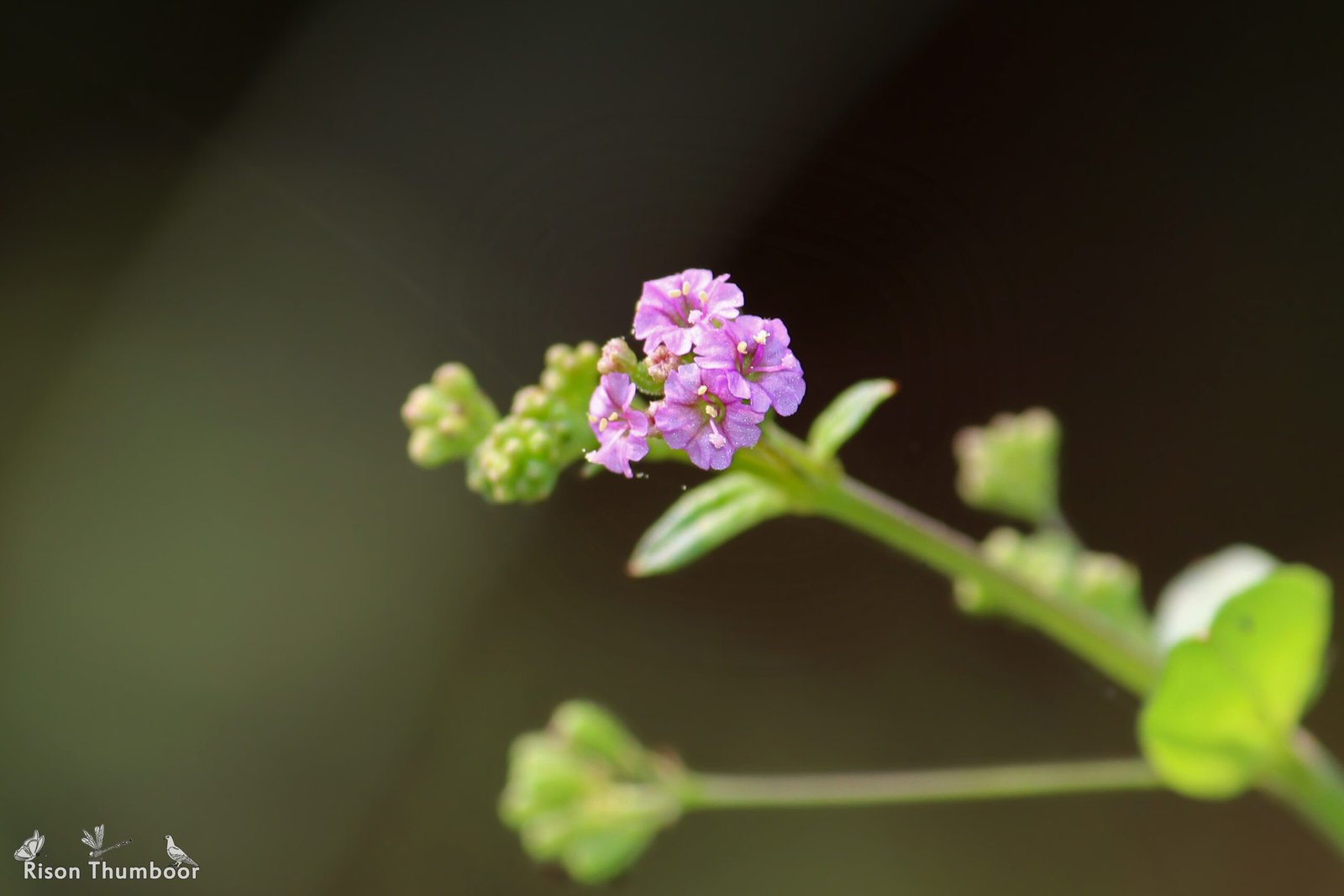
Though it grows wild in Brazil, Africa, and India all year, the plant dries out in the summer. Winter fruits, pinkish-red blossoms, and tiny juicy leaves abound on it. Punarnava tastes bitter and cools you down. People highly value its medicinal qualities.
Conclusion
Among the several useful effects Punarnava extracts have are diuretic, vasodilatory, immunomodulatory, ACE inhibitory, and anticonvulsant ones. Products with Punarnava as the main ingredient might not work well with medicines that have similar or opposite effects, especially those used to treat heart and blood pressure issues. People who have heart problems should only take Punarnava formulations under the care of a doctor to make sure they keep a careful balance between diuresis, vasodilation, and ACE inhibition.
Given Punarnava’s anticonvulsant action, one should exercise caution when using it in combination with medications like benzodiazepines and barbiturates since it may intensify their effects.
Found in Punarnava, quercetin can change the bioavailability of drugs such as simvastatin and tamoxifen, possibly enhancing their efficacy. Take caution when taking Punarnava supplements, especially those derived from the whole plant or aerial portions.
Frequently Asked Questions
Punarnava is useful for what?
Punarnava’s strong diuretic and anti-inflammatory actions make it quite helpful for treating urinary and renal disorders. For both the kidneys and the heart, it serves as a tonic, therefore supporting their health and operation. Punarnava, a versatile herb in Ayurvedic medicine, treats disorders such as jaundice, fever, and obesity.
Are kidney patients better off on Punarnava?
Punarnava’s diuretic qualities, which aid in lowering fluid retention and supporting renal function, make it thought to be helpful for those with kidney disease. Commercial companies sell it as a capsule for urinary issues. Still, its use should be under a doctor’s supervision to be sure it enhances current therapy.
Punarnava has what side effects?
Punarnava could cause blood pressure fluctuations and therefore influence cardiac performance. Their throat could also get burned from it. If they take the supplement without food or drink, this risk increases.
Is Punarnava helpful for the bladder?
Punarnava shows diuretic actions, which enhance urinary system operation and help to increase urine flow. However, especially in specific medical circumstances, its use should be closely monitored and guided by experts.