How do online Therapy Platforms Work? Everything You Need to Know
- 1 What Are Online Therapy Platforms?
- 2 How do online Therapy Platforms Work?
- 2.1 Free To Join / Free to Create Your Profile
- 2.2 Match with a Therapist
- 2.3 Schedule and Attend Sessions
- 3 What Do I Need to Know Before Getting Online Therapy Platforms
- 3.1 Technology Is Key
- 3.2 Privacy and Confidentiality
- 3.3 Therapist Credentials Are Important
- 3.4 Know the Costs, and Your Insurance
- 3.5 Set Realistic Expectations
- 3.6 Emergency Protocols
- 4 Get Comfortable with the Format and Therapist
- 5 Final Thoughts
Online therapy (or teletherapy, e-therapy) is when a therapist provides mental health counseling over the internet. Read on.
Wondering how people find mental health support has been dramatically transformed in recent years? Online Therapy Platforms, a niche option just a few months ago, have gone mainstream — particularly after the global pandemic hastened its adoption. Despite its popularity, many have questions about how online therapy works and if it’s right for them.
If you’re considering trying online therapy but aren’t sure where to start — or if you have questions about what it’s actually like to use a computer, tablet, or smartphone to speak to a therapist — this article will cover the basics. We’ll tell you what online therapy is, how it works, the pros and cons, and how to find the best therapist for you.
What Are Online Therapy Platforms?

The various forms of Online Therapy Platforms are omnipresent, including:
- Individual therapy: A session in which just you and a therapist participate, the most typical type of therapy.
- Couples therapy: Each partner logs on to meet with a therapist to discuss relationship problems.
- Group therapy: A therapist conducts a video call with more than one person who faces a similar issue or has the same goals.
That mix means that online therapy can serve a lot of needs and preferences, making it flexible for a lot of people.
Do Online Therapy Platforms Work?
It’s a question that comes up often: Does online therapy actually work?
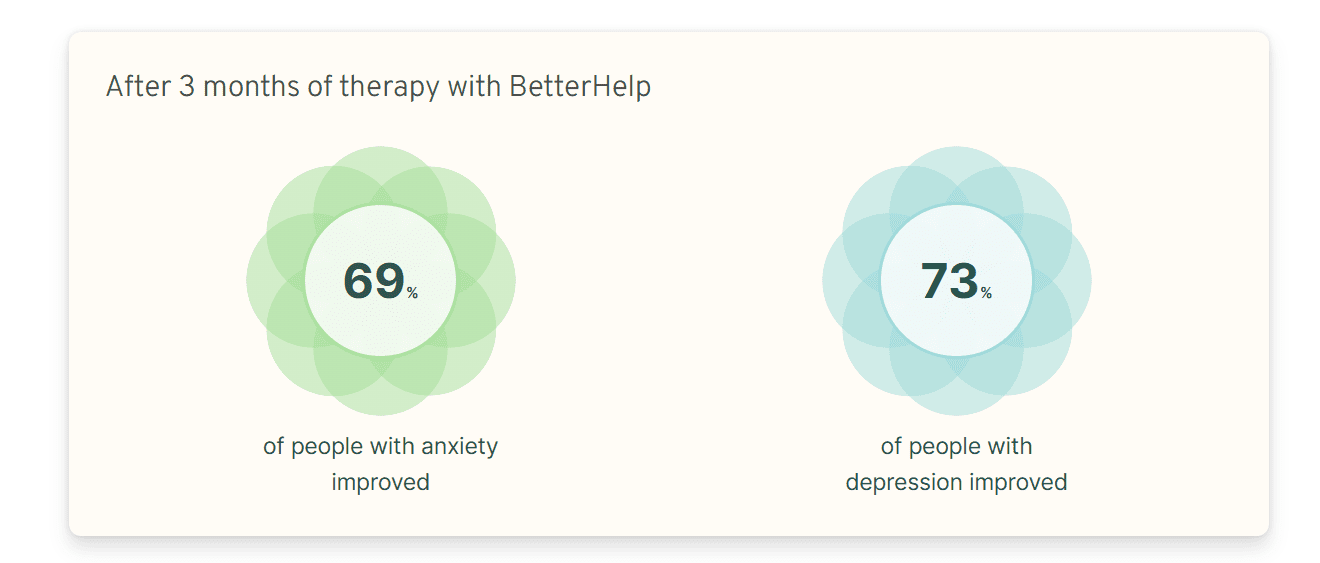
The good news is, yes! Research suggests that online therapy can be successful, and even more so than in-person public sector services, for some mental health conditions. For example, internet-delivered Cognitive Behavioral Therapy (CBT) is effective at reducing symptoms of anxiety, depression, PTSD, and OCD.
Why is online therapy so good? A big one is access. Easier-to-attend therapy — no travel, fewer scheduling hassles — leads to better attendance, and people are more likely to stick with it. Consistency is crucial for making progress in mental health, and online therapy helps eliminate a lot of the barriers involved.
How do online Therapy Platforms Work?
The specific details may vary depending on your platform or provider, but by and large, online therapy works like this:
Free To Join / Free to Create Your Profile
Pick a therapy platform or service to use. You’ll go through an intake process where you provide them with some basic info about yourself: your name, email, and sometimes even a sentence about what’s going on with your mental health. Insurance info: Some marketplaces will request insurance information as well.
Match with a Therapist
Lots of places have a client-therapist matching system. That means you’ll be matched up with a licensed therapist who specializes in what you need and fits your requirements. For instance, Two Chairs provides a 45-minute matching session with a counselor who guides you in locating your perfect therapist.
Schedule and Attend Sessions
After that, you book therapy sessions based on your schedule. The sessions are typically handled via secure video call. In your sessions, you discuss problems, develop strategies, and work on goals.
Therapists may adapt traditional therapy tools for working online, like sending worksheets or exercises by email, or through the platform itself.
What Do I Need to Know Before Getting Online Therapy Platforms
Beginning online therapy can be uncomfortable if you are accustomed to the traditional in-person visits. Here are some of the highlights to help on your ng-safe journey:
Technology Is Key
Online therapy relies on technology, so you will need:
- A reliable internet connection is required to prevent dropped calls or lag.
- A device with a camera, a microphone, and speakers (computers or tablets with larger screens are usually best).
- The app is installed and tested for the correct software before your first session.
Privacy and Confidentiality
There needs to be confidentiality in therapy. When selecting a platform, these things are important to find:
- HIPAA, or a U.S. consumer health privacy law.
- Video calls and messages are end-to-end encrypted.
- Transparent privacy guidelines on the storage and use of the data.
- Also, make sure you have a private, quiet place for your sessions so you won’t be overheard.
Therapist Credentials Are Important
Make sure that your therapist is licensed and has experience with your concerns. You may verify credentials on professional boards such as the American Psychological Association (APA) or the National Board for Certified Counselors (NBCC). Some also offer therapist profile pages with a lot of information.
Know the Costs, and Your Insurance
The price of online therapy varies all across the board. Some platforms charge per session, while others offer subscription models for a fee. See what, if any, of your insurance will cover online therapy, including copays and deductibles. Know the Cancellation Fees As well as Rescheduling fees.
Set Realistic Expectations
A session on Zoom may not seem the same. It frequently demands a more active role from you, including exercises between sessions. Creating trust may take a little more time, as it’s harder to read body language over video.
Emergency Protocols
This is the sort of thing your therapist will talk with you about in your early sessions. Among these are your options if you are in crisis or are experiencing suicidal thoughts, and steps that the therapist will take in case of an emergency.
Get Comfortable with the Format and Therapist
It’s important that you feel comfortable with and confident in your therapist. I think it is important to realize that it’s natural to feel a little bit uncomfortable at first. Allow yourself time to get acclimated and be open about your emotions.
Benefits of Online Therapy
- Ease: Go to therapy from home or wherever you are.
- Convenience: More convenient scheduling and therapists to choose from.
- Comfort: A lot of people feel safer when they can open up in a familiar space.
- Access: Beneficial for rural, disabled, and otherwise mobility-impaired individuals.
- Challenges of Online Therapy
- Technical problems: The internet may not be stable in every session.
- Less physicality: Some miss the face-to-face communication and nonverbal signs.
- Privacy: It can be hard to find a private place at home.
- Adjustment: Some experience a learning curve to adapt to the online format.
Here are some things to keep in mind when selecting an online therapy service
Things to think about when finding a provider:
- Reviews: Check testimonials of client experience with ease of use and quality of therapists.
- Therapist profiles: Look for qualifications and specializations.
- Trial or consultation: Most platforms provide a complimentary or cheaper initial session.
- Support: Find platforms that pair you with a therapist or include some form of care navigation.
- Question them: Learn about therapists’ style, how their sessions are set up, their terms, and their payment method before you commit.
Final Thoughts
That’s where it helps to know that you can do effective therapy online. It removes a lot of barriers and opens up new doors for people who need support. If you have a better understanding of how online therapy operates, you will know what to expect and take that first step on the journey toward better mental health with confidence.
Do the research, ask questions, and find a therapist who makes you feel heard and supported. Your mind matters, and online therapy can help you every step of the way.
FAQs
Is Online Therapy Private?
Yes. Licensed platforms rely on stringent privacy laws such as HIPAA and secure encryption to ensure your sessions are kept private.
What if I don’t feel comfortable with the therapist?
Absolutely. It’s also important to find the right therapist fit, and most platforms enable you to change therapists.
What if there isn’t a private spot in my home?
Try putting on headphones, heading to your car or a private area where few people are around, like a library, where others aren’t likely to overhear.
How frequently should I go to therapy?
Relief Suite Travel Some individuals start with weekly or biweekly sessions as a matter of preference to many clinicians — but if therapy is effective and you’re feeling better, you and your therapist might decide to decrease the frequency of sessions.
Is online therapy effective in the face of serious mental health issues?
Yes, online therapy can be just as effective as in person therapy for most mental health conditions. A patient may require in-person or crisis services, as needed for emergencies.