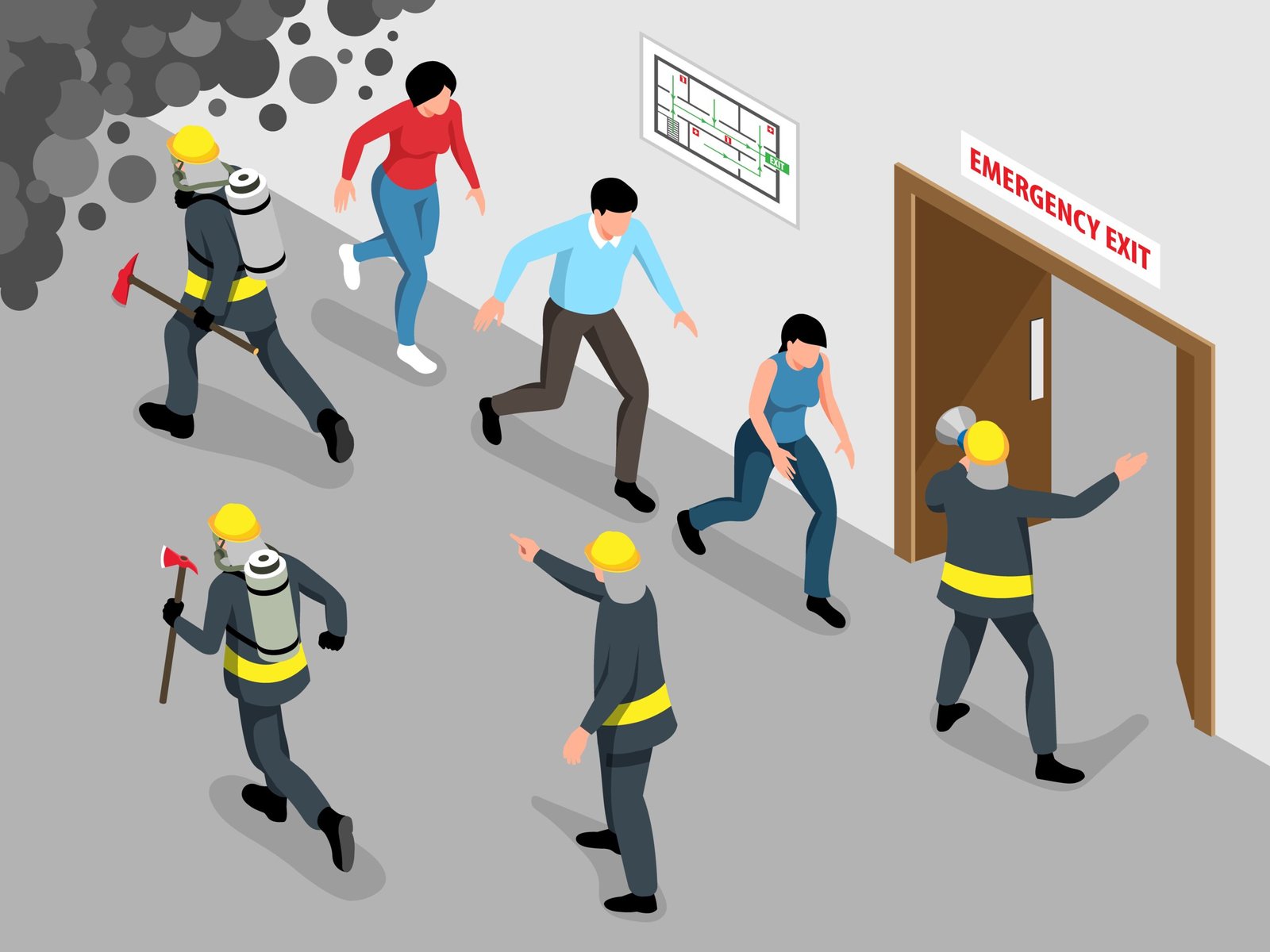
Why Safe Access Isn’t Just a Fire Escape Thing
When people think about building safety, they usually picture alarms going off, emergency exits, or sprinklers popping down from the ceiling. And yeah, those are super important if something bad happens, like a fire. But here’s the thing—most of the time, the stuff that keeps a building working doesn’t look dramatic. It’s just quiet, behind-the-scenes tools that help people get to the places they need to go without getting hurt.
That’s what “safe access” is all about. And it’s way more than just a backup plan for emergencies.
Maintenance Isn’t Just a Once-a-Year Thing
Buildings have a lot going on inside them, and it’s not just what you see. Under the floors, above the ceilings, behind the walls—there are pipes, wires, air systems, and vents. These things don’t run themselves. Someone has to check on them, clean them, fix them, or upgrade them now and then.
That means getting into some pretty awkward places. And if the building doesn’t have a safe way to reach those spots, someone’s probably going to get creative—and not in a good way. Like dragging in a random ladder that’s way too short, or standing on a wobbly chair. That’s how accidents happen.
When a building includes proper ladders, hatches, and panels, it makes life easier for the people keeping the place up and running. They’re more likely to do things right—and stay safe while doing it.
Smart Access = Better Design
One big mistake people make when designing buildings is thinking of access as something you “add later.” Like, they build the whole thing and then figure out, “Oh yeah, how do we get to that ductwork?”
The smarter move is to plan. That means putting in hatches where they make sense. It means making sure ladders are sturdy and easy to use. Even something small, like where you put a floor panel, can make a difference.
For example, if someone needs to check electrical stuff under the floor once a week, it makes sense to install a panel right over that section. Hiding it under a desk or behind a filing cabinet? That just wastes time every time someone has to get to it.
Built-In Access vs. Makeshift Solutions
There’s a huge difference between access that’s built-in and something someone has to drag around. A retractable ladder, for example, folds into the ceiling when not in use. It doesn’t take up space, it’s stable, and you always know where it is.
Tools like the Surespan ZIP retractable ladders are designed exactly for this kind of situation. They’re not just strong—they’re designed to fit into the building. That means you’re not guessing if it’s going to work. You’re not worrying if it’ll hold your weight. You just pull it down and go.
Compare that to using a random metal ladder that’s been left in a closet for ten years. It’s rusty. It’s shaky. And it probably doesn’t reach the hatch anyway. That’s the difference good access design makes.
It’s About More Than Safety—It’s About Time
Safe access helps people avoid injury, sure. But it also saves time. A tech crew doesn’t want to spend 30 minutes figuring out how to get into a ceiling void. If there’s an easy-to-use access hatch and a secure ladder nearby, they can just do their job and move on.
This is also a big deal in emergencies. Imagine something goes wrong with the ventilation on a super-hot day. If it takes ages to reach the system and fix it, everyone inside the building is stuck, sweating it out. Same thing with leaks, outages, or server issues. Fast access = fast fixes.
Hidden but Helpful: Everyday Access Equipment
Most people who walk through a commercial building don’t notice things like hatches, covers, or roof ladders. They blend in. They’re meant to. But just because they’re not flashy doesn’t mean they’re not doing something important.
They make buildings easier to take care of. They help workers do their jobs safely. And they keep schedules from getting thrown off when something needs quick attention.
Even in regular offices, schools, or shopping centers, there are dozens of hidden spots people need to reach. If those places aren’t easy to get to, the whole building runs slower and risks more downtime.
Making It Safe for the Long Run
It’s not just about what works today. Safe access systems last for years. If a hatch is made with the right materials and installed properly, it’s going to do its job over and over again without falling apart. The same goes for retractable ladders. They’re designed to hold up under use, not just once, but hundreds of times.
That’s why investing in strong, secure equipment early on pays off. You’re not constantly replacing parts or worrying about someone getting hurt. You just know it works.
One Less Thing to Worry About
In the end, buildings that plan for safe access have fewer problems. Workers know where to go. They know how to get there. And they’re not spending time making guesses or taking risks.
It’s not about looking cool. It’s not just for fire drills. It’s about making sure every part of the building stays safe and works like it should, without delays, accidents, or surprises.