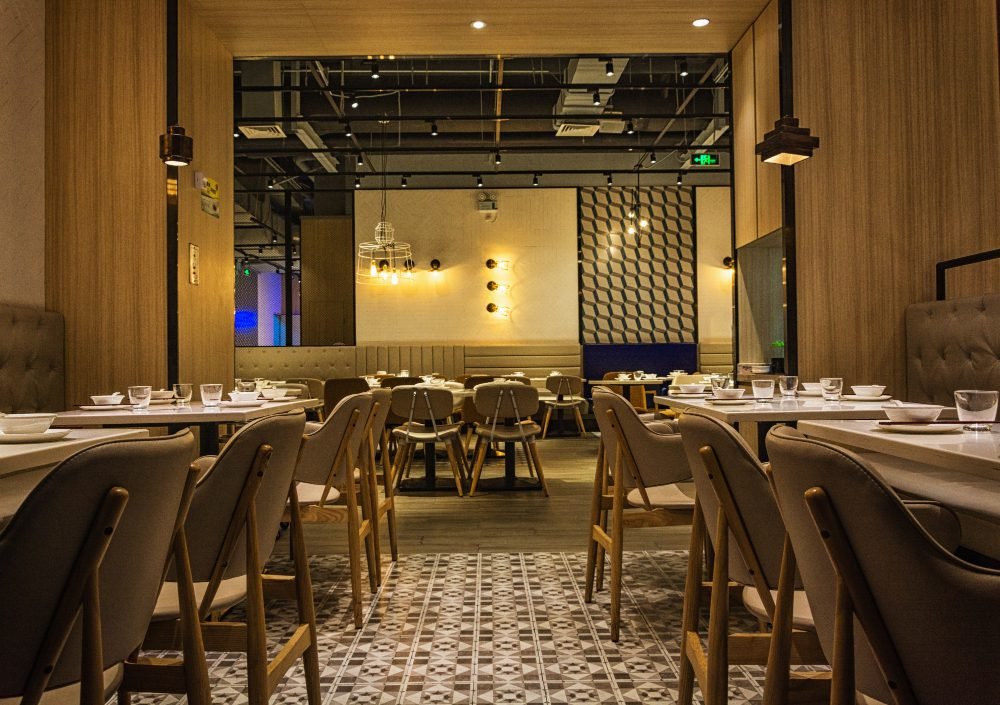
Creating App-Controlled Height-Adjustable Restaurant Chairs for Personalized Comfort Settings
- 1 Height-Adjustable Restaurant Chairs for Personalized Comfort Settings
- 1.1 From Fixed to Flexible: The Changing Face of Restaurant Seating
- 1.2 Engineering Comfort: Designing the Perfect Adjustment System
- 1.3 Smart Seating in the Palm of Your Hand
- 1.4 Why Ergonomics Matters More Than Ever
- 1.5 Smart and Sustainable: Building for the Future
- 1.6 Marketing Comfort: Turning Seating into a Selling Point
- 2 Closing Words: The Next Step in Personalized Dining
Dining out has evolved beyond simply enjoying a good meal. Today, guests expect comfort, atmosphere, and service to blend seamlessly into an unforgettable experience. Restaurants are realizing that seating plays a bigger role than ever in shaping how people feel during a meal.
One concept gaining attention is the app-controlled, height-adjustable commercial-grade chair. Rather than sticking to a fixed height, guests can fine-tune their seat for perfect comfort, adjusting it down to just a few millimeters of precision. The smart furniture market, already valued in the hundreds of millions of dollars, is growing at a fast pace. Within this, height-adjustable furniture is set to approach ten billion dollars in less than a decade. It’s a sign that personalized comfort is no longer a luxury; it’s becoming a natural expectation.
Height-Adjustable Restaurant Chairs for Personalized Comfort Settings
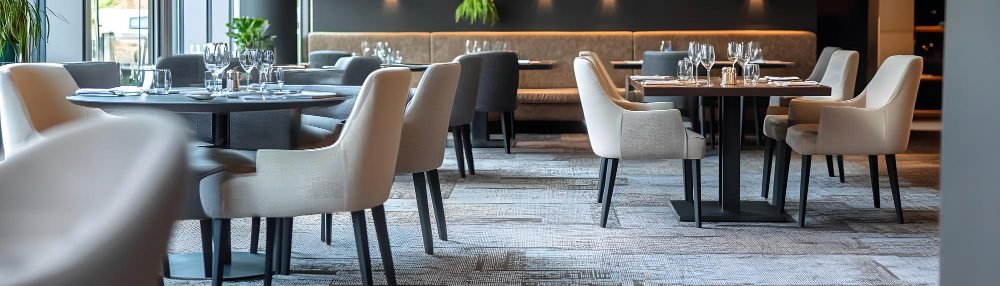
From Fixed to Flexible: The Changing Face of Restaurant Seating
Restaurants have relied on fixed-height commercial-grade restaurant chairs for decades, largely because they’re durable and easy to manage. But one-size-fits-all rarely works for people. A chair that feels perfect to one diner can feel awkward to another, making the meal less enjoyable.
Restaurants, however, have been slower to embrace the idea, even as dining culture shifts toward personalization. Research suggests it can boost perceived service quality by around 25 percent. A few high-end venues have dabbled in technology-driven seating, but true height personalization is still a largely untapped opportunity.
Engineering Comfort: Designing the Perfect Adjustment System
Creating an adjustable chair that feels natural in a restaurant setting demands clever engineering. The lift mechanism must be stable, smooth, and discreet, withstanding daily use without faltering. Hydraulic pistons, electric actuators, and pneumatic systems all have their pros and cons, but whichever is chosen, it must meet strict safety and durability standards for hospitality.
Noise is a critical factor, too. Guests should barely notice the mechanism in action. Modern designs can complete adjustments in under five seconds while keeping sound to a whisper. Engineers are also making them lighter; some add less than five kilograms to the chair’s weight, so they remain easy for staff to move. The smartest designs are modular, allowing quick swaps of lifting components without removing the whole chair from service. This keeps downtime to a minimum and maintenance straightforward.
Smart Seating in the Palm of Your Hand
Pairing adjustable seating with a mobile app transforms the idea from interesting to irresistible. Guests could connect instantly by scanning a QR code or using the restaurant’s app. From there, they can adjust their seat height with simple controls until it feels just right.
Repeat customers benefit even more. Their preferred settings can be saved, so every visit begins with the chair automatically adjusting to their comfort level. Accessibility is another strong advantage; voice controls and customizable ranges make the system usable for people with mobility challenges. Some chairs even allow fine-tuning to within five millimeters of precision. Interestingly, a growing share of diners, about a quarter, prefer making these adjustments themselves rather than asking for help from staff.
Why Ergonomics Matters More Than Ever
At first glance, chair height may not seem like a big deal. But it directly affects posture, plate alignment, and overall comfort. The right height means less strain on the neck, shoulders, and back, helping guests feel more relaxed during a meal.
It’s also about inclusivity. Adjustable seating ensures that children, taller diners, and people with physical limitations can all find a position that works for them. The benefits extend to business results as well. Studies show restaurants that switch to ergonomic seating often see guests linger longer and spend more, with dwell times up by 15 percent and check sizes rising around 8 percent. The connection is clear: better comfort often leads to a better bottom line.
Smart and Sustainable: Building for the Future
Many smart chair designs now incorporate recycled metals, sustainably sourced wood, and low-VOC finishes that release fewer harmful emissions. These materials are not only better for the planet but also resonate with eco-conscious diners.
Designing chairs with replaceable parts is another smart move. Instead of discarding the entire chair when something breaks, components like actuators or upholstery can be swapped out. This extends the chair’s life by years and significantly reduces waste. On the energy side, low-power actuators paired with fast charging keep usage efficient. Choosing sustainable production methods can cut the manufacturing carbon footprint by as much as 30 percent, allowing restaurants to market themselves as both innovative and responsible.
Marketing Comfort: Turning Seating into a Selling Point
Adjustable seating can become a signature feature worth promoting. A well-crafted campaign might invite guests to “find their perfect height” and share their experience on social media. Tech-loving customers are especially drawn to features that make them feel catered to uniquely.
Some restaurants have seen a 20 percent increase in online engagement after promoting their comfort technology. Influencers in the food and lifestyle space are particularly interested; surveys suggest that more than 70 percent would feature a venue with tech-driven seating. Encouraging guests to post their seating adjustments alongside their meals can create free, authentic publicity and keep the restaurant’s brand in the conversation.
Closing Words: The Next Step in Personalized Dining
App-controlled, height-adjustable chairs represent more than just a clever gadget. They are a way to blend comfort, technology, and service into a single, memorable package. By letting diners take control of their seating, restaurants show that they care about the finer points of the experience.
The rewards are significant: happier customers, a more inclusive environment, and measurable increases in both time spent and money spent at the table. Early adopters can expect their investment to pay off in as little as two years. As the idea catches on, personalized seating will likely become standard in forward-thinking dining spaces. For now, it’s an exciting frontier for restaurants ready to lead in both comfort and innovation.