Why Industrial Operations Can No Longer Ignore Cybersecurity Services
- 1 Industrial Infrastructure at Increasing Risk
- 1.1 Why Cybersecurity Services Must Be Embedded from the Start
- 1.2 Unique Security Challenges in Industrial Setups
- 1.3 Regulatory Pressures and Strategic Implications
- 1.4 Securing the Human Machine Interface (HMI)
- 1.5 Partnering with a Trusted Electrical Brand
- 2 Strengthening Industrial Resilience Through Cybersecurity Services
The transition to Industry 4.0 has fundamentally reshaped how industrial operations function. With advanced automation, data analytics, and cloud connectivity now powering everything from production lines to logistics, the modern industrial setup is more efficient but also more vulnerable.
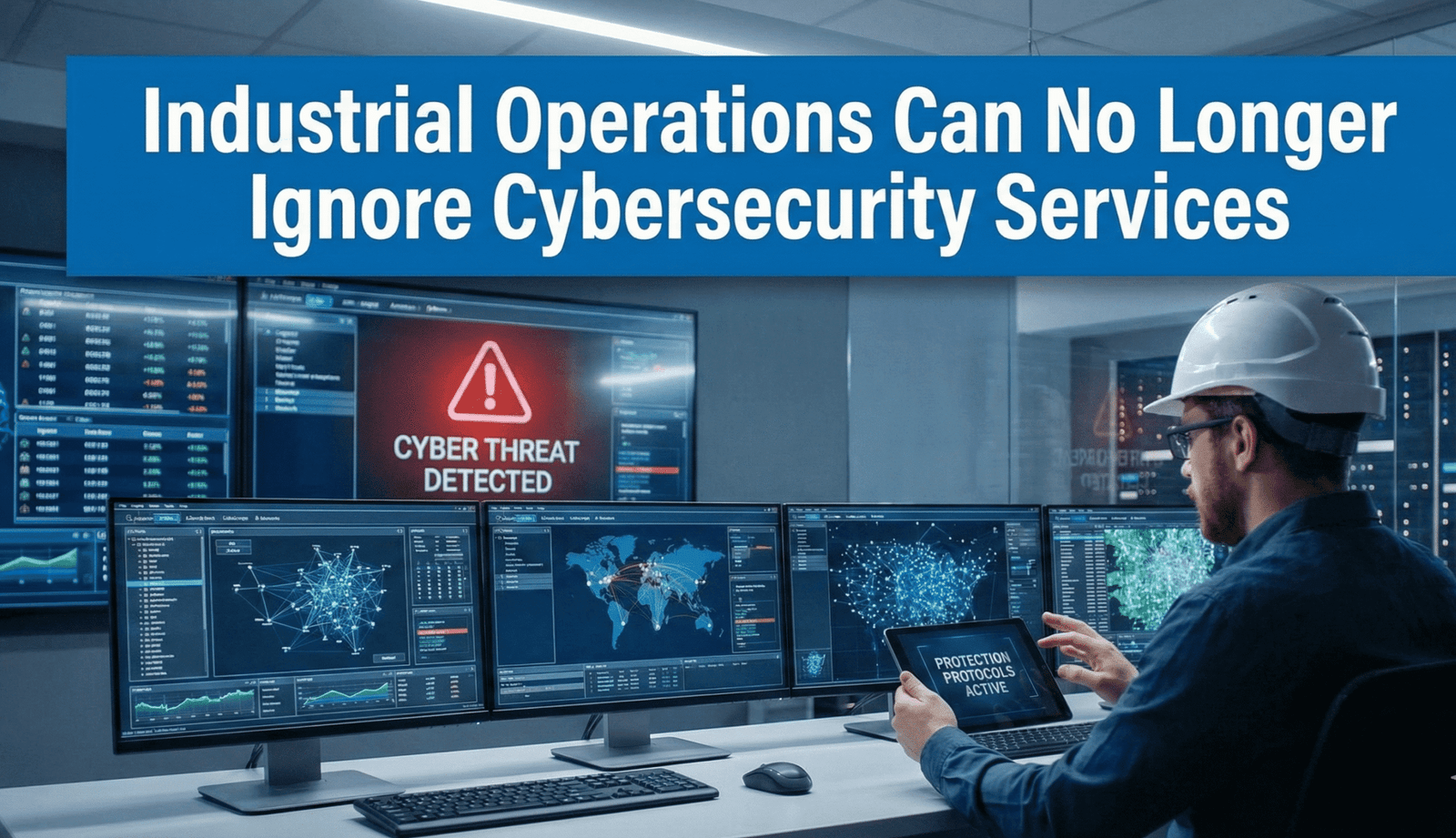
While integrating connected electrical instruments and control systems enhances productivity, it also opens the door to cyber threats. In this evolving environment, cybersecurity services for industrial operations are not just a compliance measure but a critical operational necessity.
Industrial Infrastructure at Increasing Risk
Today’s industrial systems are no longer isolated. Electrical equipment, programmable logic controllers (PLCs), and Human Machine Interfaces (HMIs) are integrated into vast operational technology (OT) networks. These systems communicate internally and externally, offering real-time data for decision-making. However, the very connectivity that empowers industrial devices also exposes them to malicious actors.
Cyberattacks on industrial infrastructure have grown in complexity. Unlike conventional IT systems, industrial networks often include legacy systems that lack built-in security protocols. According to a study published on industrial sectors such as energy and manufacturing have seen a dramatic rise in both targeted and opportunistic cyber incidents. These attacks can result in significant production delays, equipment damage, and even safety hazards.
Why Cybersecurity Services Must Be Embedded from the Start
A proactive approach to cybersecurity begins with design. Industries must incorporate cybersecurity services at every stage, from planning and deploying electrical devices to integrating software and cloud platforms. Threat actors today exploit vulnerabilities in poorly configured networks, outdated firmware, and unsecured HMIs.
Sometimes, cybercriminals manipulate HMIs to gain control over core operational systems. These human-machine interfaces are essential for monitoring, adjusting, and maintaining equipment. If compromised, they can allow attackers to issue unauthorised commands, misreport operational data, or disable safety functions.
Unique Security Challenges in Industrial Setups
Industrial environments differ significantly from traditional IT infrastructures. Systems must operate continuously, making downtime costly and sometimes dangerous. Updating software or hardware is often complex due to the interconnected nature of control systems and electrical instruments. As a result, cybersecurity services tailored for industry must be non-disruptive, real-time, and capable of monitoring every layer, from physical devices to software logic.
Moreover, the range of connected devices, including sensors, drives, and remote terminals, requires a unified yet flexible security strategy. Endpoint protection, network segmentation, access control, and real-time threat intelligence are essential elements that must be deployed to secure each touchpoint.
Regulatory Pressures and Strategic Implications
Governments and industry regulators are introducing stringent cybersecurity mandates, especially for critical infrastructure. Industrial operations must now demonstrate compliance with standards such as IEC 62443, which outlines cybersecurity requirements for industrial automation. Non-compliance not only leads to regulatory penalties but can also cause severe brand and operational damage.
Beyond compliance, cybersecurity is a strategic investment. It ensures operational continuity, protects intellectual property, and maintains customer trust. In an environment where even minor disruptions can lead to major losses, cybersecurity services for industrial operations are indispensable.
Securing the Human Machine Interface (HMI)
The HMI serves as the operational control centre, allowing human operators to interact with electrical devices and machinery. However, its centralised role also makes it an attractive target for cyberattacks. Deploying layered security controls around HMIs, such as user authentication, encryption, and intrusion detection, ensures that data integrity and system functionality remain intact.
Since HMIs interface directly with control equipment, any breach can lead to catastrophic failures. Protecting this vital link is a core priority within any effective cybersecurity strategy.
Partnering with a Trusted Electrical Brand
Collaborating with a reputable electrical brand offers industries access to trusted expertise, end-to-end security design, and scalable solutions tailored to their specific industrial needs. Such partnerships ensure that every component, from field-level devices to control platforms, is fortified using global security standards.
A reliable partner can help deploy cybersecurity services that align with your infrastructure, regulatory obligations, and long-term digital goals. With their support, you can incorporate security across your entire network, enhance equipment reliability, and reduce operational risk.
Strengthening Industrial Resilience Through Cybersecurity Services
As industrial operations continue to digitise and incorporate advanced electrical instruments and automation systems, the importance of integrating robust cybersecurity services cannot be overstated. From safeguarding critical devices like HMIs to ensuring uninterrupted production and regulatory compliance, a well-structured cybersecurity framework is now essential.
By partnering with a trusted electrical brand, businesses can confidently deploy tailored security solutions that not only protect assets but also enable long-term resilience and operational excellence in an increasingly connected world.