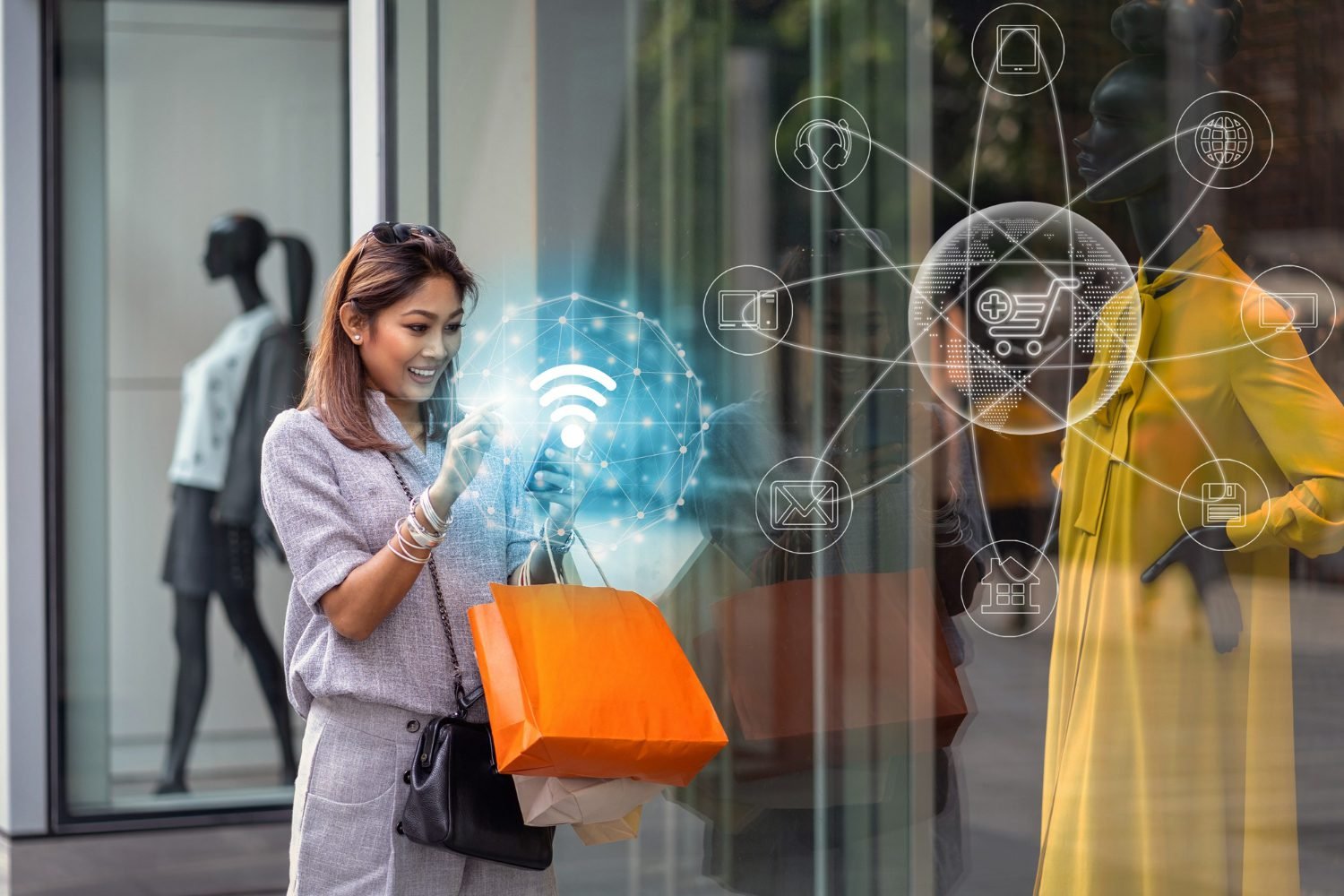
The Future of Hyper-Personalized – Commerce: How AI Is Learning Your Taste Before You Do
Walk into any central online marketplace today, and you’ll immediately notice something: your experience doesn’t look like anyone else’s. The products shown, the recommendations suggested, and even the order in which items appear are now shaped by algorithms that are constantly learning from your actions. Whether you realize it or not, your digital footprint is building a personal shopping universe around you—one product, one click, and one preference at a time.
This level of personalization isn’t just a convenience feature anymore. It’s becoming the core of how e-commerce works. What was once a simple digital storefront is now a smart prediction engine, constantly making small guesses about what you want next. In many ways, the future of online shopping might not be about searching at all—instead, products will find you.
The Age of Predictive Shopping
For most shoppers, online browsing still feels like a choice. You search for something, refine your filters, and choose what fits your needs. But behind the scenes, AI is already reshaping this process. Machine learning systems now observe thousands of tiny behaviors: What items you linger on, what colors you prefer, whether you scroll quickly or slowly, and what you buy at certain times of day.
These systems use that information to predict your future wants. Not just the obvious ones—like if you just bought a phone, you might want a case—but deeper patterns. If you binge-watch travel videos, algorithms may suggest camping equipment. If you follow specific creators, you may start seeing the same products they use. The system is always quietly watching, learning, and adjusting. What makes this shift powerful is scale. It’s no longer just the world’s largest retailers using personalization. Small shops, digital marketplaces, and even creator-fueled storefronts are using AI-powered product tools that once required massive engineering budgets. Personalization used to take millions of dollars. Now it takes a plug-in.
When AI Knows Your Taste Better Than You Do
One of the most surprising changes in online retail is that AI is starting to predict intangible preferences—not just what you buy, but why you buy. For example, people often think they choose products based on price or utility. But algorithms sometimes uncover that a shopper consistently gravitates toward pastel-colored products, or avoids anything with harsh lines, or prefers minimalist packaging even if the product itself doesn’t matter as much. Humans may be inconsistent, but machines aren’t. If ten years of browsing patterns show that you look for specific aesthetics, AI will figure it out—even if you’ve never consciously noticed it yourself.
And here is where “hyper-personalization” becomes more than a buzzword. Instead of showing the same product to everyone, retailers can now display different versions of the same product—different packaging, marketing messages, and bundles—depending on individual behavior. It’s not just “recommended for you” anymore. It’s “built for you even if you don’t realize it.”
This shift is also powering new categories of commerce—places where AI-driven personal preference truly matters. Specialty flavor retailers exemplify this type of niche personalization trend. People often don’t browse for dozens of flavors manually—but when platforms use data to show you precisely the sensory profile you’re likely to enjoy, you feel like the store already understands you. That is why digital shops offering hundreds of flavor options fit perfectly into this emerging model of prediction-driven shopping.
Beyond Recommendations: Adaptive Storefronts
We often think of personalization as “things the store suggests,” but personalization is rapidly spreading beyond recommendations.
Future e-commerce sites will adjust:
- Homepage layouts based on the types of products you like
- Color themes are suspected to align with your personality and taste
- Navigation menus that move categories you browse to the top
- Content tone and language (for example, casual vs. technical descriptions)
Some experiments already show this happening—two users could visit the same site and see completely different category names, product filters, or lifestyle imagery. One sees bold, sporty graphics. The other sees minimalist, neutral design. The store morphs itself in real time.
This also means that product ranking will stop being standardized. In the future, there won’t be a single “#1 best-selling product” across a website. Instead, each shopper will have their own best-seller list, based on their history and what the system predicts they will value most.
Why Hyper-Personalization Requires Better Transparency
There is a growing conversation about whether this level of influence is healthy. If AI is choosing what you see and hiding what it decides you don’t want, does that limit informed decision-making?
This is where transparency becomes essential.
Experts recommend three things:
- Clear explanation: Platforms should tell users why a product is shown (“Based on your interest in outdoor gear,” etc.)
- User control: Shoppers should be able to reset or edit their personalization profile.
- Fairness standards: Retailers must ensure personalization doesn’t quietly inflate pricing or hide better alternatives.
Some large marketplaces are already rolling out “Why am I seeing this?” buttons—similar to social media feed transparency features. The balance will be between helpful personalization and manipulative persuasion.
The Next Era: Personalized Production
Hyper-personalized shopping doesn’t end with recommendation algorithms. The next frontier is personalized manufacturing.
Already, companies are experimenting with:
- Custom-printed sneaker uppers
- Personalized supplements based on DNA tests
- AI-designed skincare formulas
- On-demand scented home products
As these tools become cheaper, personalization won’t just change what you see—it will change what exists for purchase. Imagine browsing a store that generates a product in real time based on your preferences, and then manufactures it once you click buy. No one else sees that version. No one else can buy it. It exists only because you wanted it. That is where true hyper-personalization is leading.
Shop, Drop, and Scroll
Hyper-personalized e-commerce isn’t just a trend—it’s a foundational shift in how online retail operates. AI is not only curating products for us, it is beginning to understand our deeper preferences, motivations, and unconscious habits. It is shaping a shopping world built around you—sometimes more closely than you might shape it yourself. The next few years will determine whether this evolution becomes empowering, overwhelming, or quietly invisible. Regardless, the future of online shopping will feel less like browsing a digital shelf and more like walking into a store built entirely for one customer at a time: You.