Top 10 Farming Machines to Maximise Yield in the Kharif Season
- 0.1 1) A reliable tractor for timely operations
- 0.1.1 Where it shines
- 0.1.2 Buying and care tips
- 0.2 2) Rotavator (rotary tiller)
- 0.2.1 Why does it boost yield?
- 0.3 3) Seed-cum-fertiliser drill
- 0.3.1 Payoffs
- 0.4 4) Multi-crop planter for zero/minimum till
- 0.4.1 Field advantages
- 0.5 5) Power tiller for small and hilly farms
- 0.5.1 Practical notes
- 0.6 6) Paddy transplanter
- 0.6.1 Yield link
- 0.7 7) Boom or high-capacity sprayer
- 0.7.1 Good practice
- 0.8 8) Power weeder/inter-cultivator
- 0.8.1 Benefits
- 0.9 9) Residue mulcher/shredder
- 0.9.1 Why it matters
- 0.10 10) Combine harvester or reaper-thresher
- 0.10.1 Gains
- 1 Quick comparison: what to use and when
- 2 The bottom line
The monsoon decides much of India’s Kharif story. When rains arrive, every day counts: fields must be prepared quickly, seed placed well, weeds kept in check, and water managed smartly. The right mix of machines removes delays, trims cost, and protects yield potential. Here’s a practical guide to ten tools for June to October across rice, maize, cotton, soybean, and pulses – plus quick buying and care tips. Start with a dependable base and add tools that unblock your tightest windows.
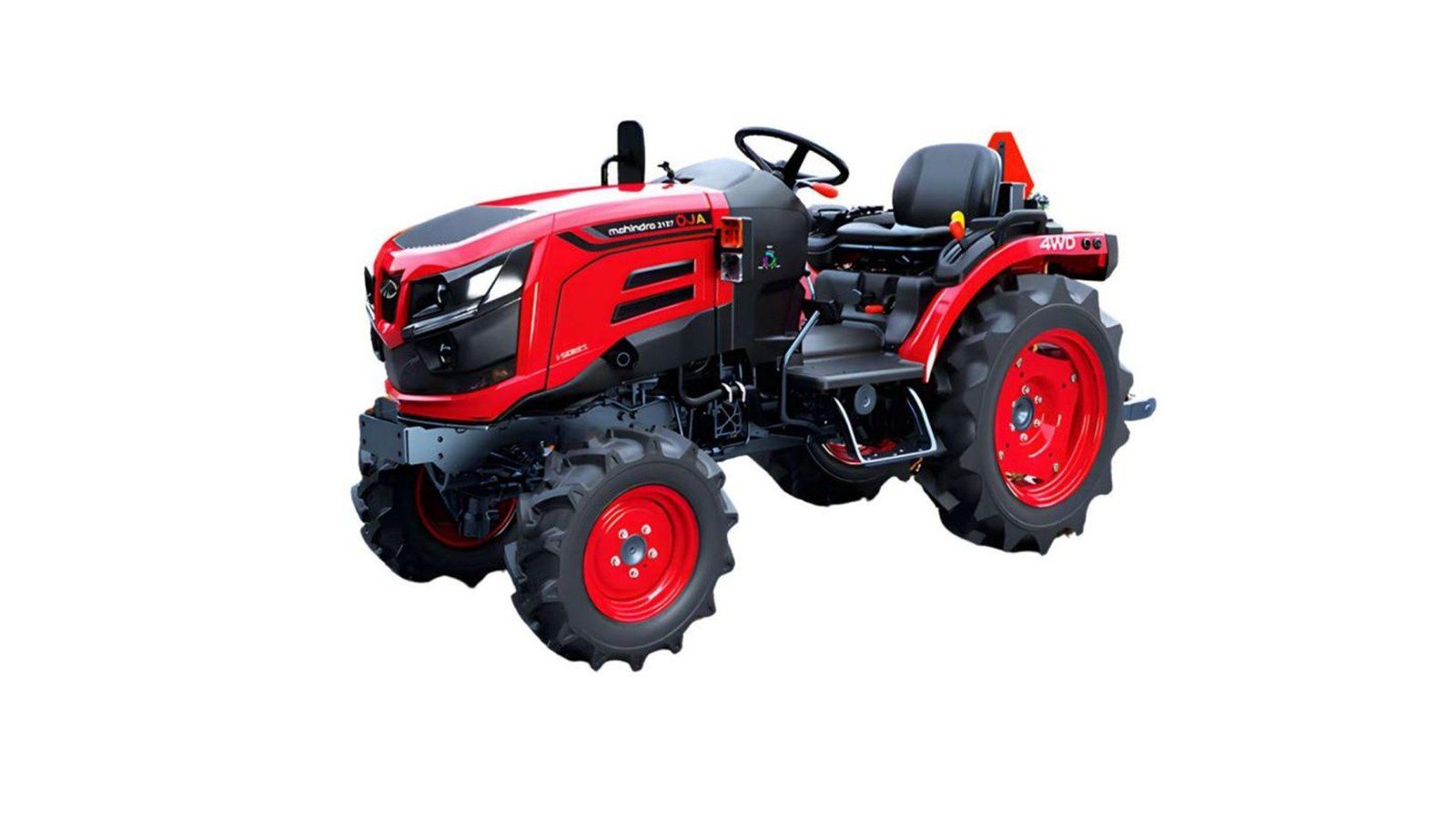
1) A reliable tractor for timely operations
Your primary workhorse should match the acreage and soil. For most mixed Kharif holdings, 35-50 HP is a sweet spot: nimble in wet fields yet strong enough for tillage, haulage, and spraying. Prioritise torque, ground clearance, and fuel economy.
Where it shines
- Quick land preparation, trailer transport, and powering PTO-driven tools.
- Acts as the platform for multiple tractor implements, reducing labour dependence.
Buying and care tips
- Prefer a solid dealer network with assured spares within 50-60 km.
- Service on schedule: fresh engine oil before the season, clean air filters.
2) Rotavator (rotary tiller)
A rotavator behind a tractor shreds residues and creates a fine seedbed in one pass. In rice, it helps puddling; in soybeans and pulses, it makes uniform tilth for better germination.
Why does it boost yield?
- Better seed-soil contact and faster turnaround between crops.
- Residue incorporation adds organic matter and conserves moisture.
3) Seed-cum-fertiliser drill
Precision matters in Kharif. A metering drill – mounted behind the tractor – places seed and basal nutrients at the right depth and spacing in one pass.
Payoffs
- Even emergence and optimum plant population.
- Savings on seed and fertiliser with less overlap.
4) Multi-crop planter for zero/minimum till
When rains cut land-prep time, a zero-till or minimum-till planter lets you sow directly into residues. It’s valuable for direct-seeded rice (DSR) pockets and maize or soybean sowing.
Field advantages
- Preserves soil moisture, reduces erosion, and slashes diesel use.
- Lower weed flush due to residue mulch.
5) Power tiller for small and hilly farms
Where plots are under two acres or access is narrow, a power tiller is easier to manoeuvre than a tractor. It can puddle, form beds, and pull trailers or reapers.
Practical notes
- Choose an adjustable handle height for comfort.
- Fit cage wheels or lugged tyres for wetland rice work.
6) Paddy transplanter
Mechanised transplanting standardises spacing and depth. In labour-scarce districts, a six- or eight-row model pays for itself by saving peak-season wages.
Yield link
- Uniform spacing aids tillering and canopy airflow.
- Faster transplanting preserves the optimum seedling age.
7) Boom or high-capacity sprayer
Diseases and insect bursts track the monsoon. A boom sprayer powered by the tractor or a battery-operated unit ensures even coverage across wider beds.
Good practice
- Calibrate nozzles and spray in cool hours to reduce drift.
- Keep colour-coded nozzles for herbicide, insecticide, and fungicide.
8) Power weeder/inter-cultivator
Between-row weeding is vital for maize, cotton, and soybean. A power weeder replaces multiple labour rounds, opens soil for aeration, and cuts evaporation by earthing-up.
Benefits
- Timely weed control in the critical 20-45 day window.
- Better nutrient use and sturdier root systems.
9) Residue mulcher/shredder
After harvest or mid-season pruning in cotton, a mulcher chops biomass uniformly. Coupled with a tractor, it prepares fields quickly for the next operation and supports decomposition.
Why it matters
- Residue cover suppresses weeds and stabilises soil temperature.
- Lower open burning risk and cleaner village air.
10) Combine harvester or reaper-thresher
For paddy and maize, mechanised harvesting reduces shattering losses and preserves grain quality. Where full combines are impractical, a reaper-binder or reaper-thresher is a strong, modular alternative.
Gains
- Faster harvest between showers; fewer lodged-panicle losses.
- Cleaner grain with a lower broken percentage.
Quick comparison: what to use and when
| Machine | Primary job | Ideal crops/terrain | Power need | Best for |
| Tractor | Multi-role platform | All Kharif crops | 35-50 HP typical | Small to large farms |
| Rotavator | Seedbed, residue mix | Rice, soybean, pulses | PTO-driven | Quick turnaround |
| Seed-cum-fertiliser drill | Precise sowing + basal | Maize, soybean, pulses | Drawbar + PTO | Uniform stands |
| Zero/min-till planter | Direct seeding in residues | DSR rice, maize | Drawbar | Moisture saving |
| Power tiller | Tillage where access is tight | Small/hilly plots | 8-14 HP | Marginal farms |
| Paddy transplanter | Uniform transplanting | Wetland rice | Self-propelled | Labour-scarce areas |
| Boom sprayer | Uniform chemical application | Row crops | PTO or battery | Timely protection |
| Power weeder | Inter-row weed removal | Maize, cotton, soybean | Petrol/diesel | Weed control window |
| Mulcher | Residue processing | Rice, cotton | PTO-driven | Residue return |
| Combine/reaper-thresher | Harvest & thresh | Rice, maize | Self-propelled/PTO | Fast, clean harvest |
How to choose the right bundle for your farm
Think in “operations,” not gadgets. Map your season: land prep → sowing → weed and pest control → irrigation → harvest. Pick a core tractor and two to three tractor implements that close your biggest bottlenecks. For many mixed Kharif farms, a rotavator + seed-cum-fertiliser drill + boom sprayer covers most timely needs, with a power weeder added where labour is short.
Budgeting and finance tips
- Prioritise tools that cut recurring costs (diesel, labour) and raise timeliness.
- Consider custom-hiring through FPOs or machinery banks for peak weeks.
Maintenance that protects yield
- Pre-monsoon checklist: change oils, grease moving parts, replace tines and belts, and test electricals.
- Keep a spare kit: filters, belts, shear bolts, nozzles, and tyre repair items.
The bottom line
Mechanisation amplifies good agronomy. Calibrate drills to seed size. Align fertiliser rates with soil tests. Pair early weed control with residue mulch. Use weather apps to time sprays and harvests between showers. Record diesel used, hours run, and yield so next season’s choices sharpen.
Well-chosen machines don’t just save labour; they widen your workable window in an unpredictable monsoon. Start with a dependable tractor, add versatile tractor implements, and build a bundle that fits your crops, soils, and budget. That fit turns the Kharif clock in your favour, and lifts yield without wasting a drop of rain.