What is an Indie Game and Why is It So Popular?
It has long been common for the best games to hire and work with indie developers. Those homegrown efforts have demonstrated to the world that you don’t need to be a heavyweight developer with millions in funding to create something amazing, and in some cases, generate a spot of cash. But just what is an indie game? Why might they be so cherished in the gaming community?
This article will take a look at what indie games are, why the medium has taken off, and how they differ from traditional AAA games.
What Is an Indie Game?
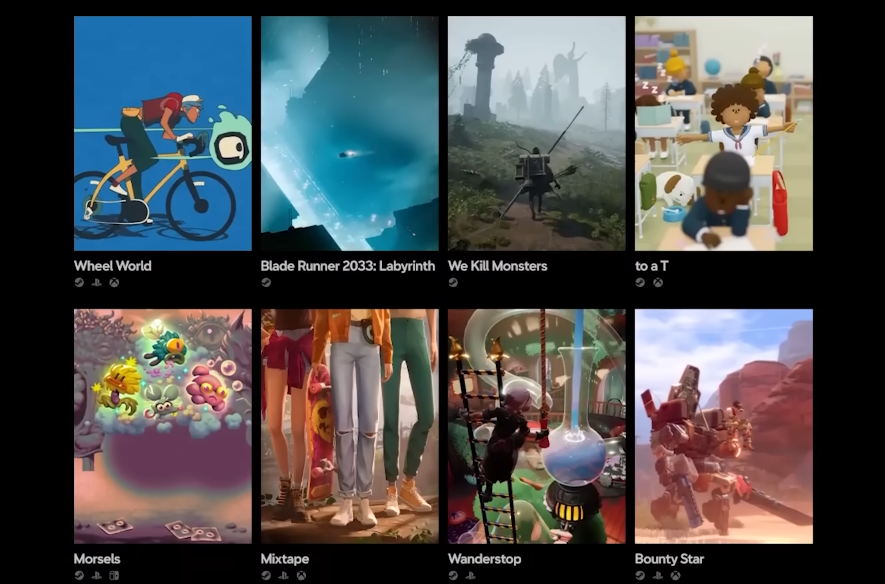
An indie game, meaning “independent game,” is usually created by individuals or small groups without backing from major publishers. Unlike the big studio blockbusters being released, indie games frequently see small-to-nonexistent budgets but with a looser rein on creative freedom. This is a space that lets developers play around with weird mechanics, quirky stories, and niche genres that larger studios would pass on because of the financial risks.
The indie game revolution began around the early 2000s, but at first didn’t have a ton of momentum because the traditional game markets were dominated by companies like Sega and Nintendo. Indie developers didn’t truly have a stage until 200,4 and the advent of digital distribution platforms like Steam. As Steam allowed small developers to sidestep ambitious publishers and bring their games directly to players around the world, it changed the industry.
Now, services like Steam, itch. Io and the soon-to-be Epic Games Store that now function as the central arteries of indie game distribution, the arteries that provide indie games to more people and help people understand what an indie game is.
What Qualifies an Indie Game as a Popular Game?
The rise of the indie game isn’t merely an anecdotal trend — it’s supported by data. Valve released a report highlighting the significant rise in both the popularity and profitability of indie games. The report indicated an 18% increase in the number of games that brought in over $10,000 during the first two weeks of a game’s releaseinr 2018. More impressively still, this figure had tripled since indie games started showing up on Steam around 2013-2014.
Its force remained strong by 2022. According to the Video Game Insights Report, from which we got this data, of over 6,000 new games that came out on Steam in the first half of the year, almost 5,900 are indie games. Additionally, four of the top ten best-performing games were indie-released, with Core Keeper, Dread Hunger, Raft, and V Rising all featuring.
This information demonstrates that gamers are beginning to adopt indie games, helping developers who bring new ideas and experiences to the forefront.
Examples of Indie Games
A few indie games have the distinction of becoming iconic, changing how we think about video games:
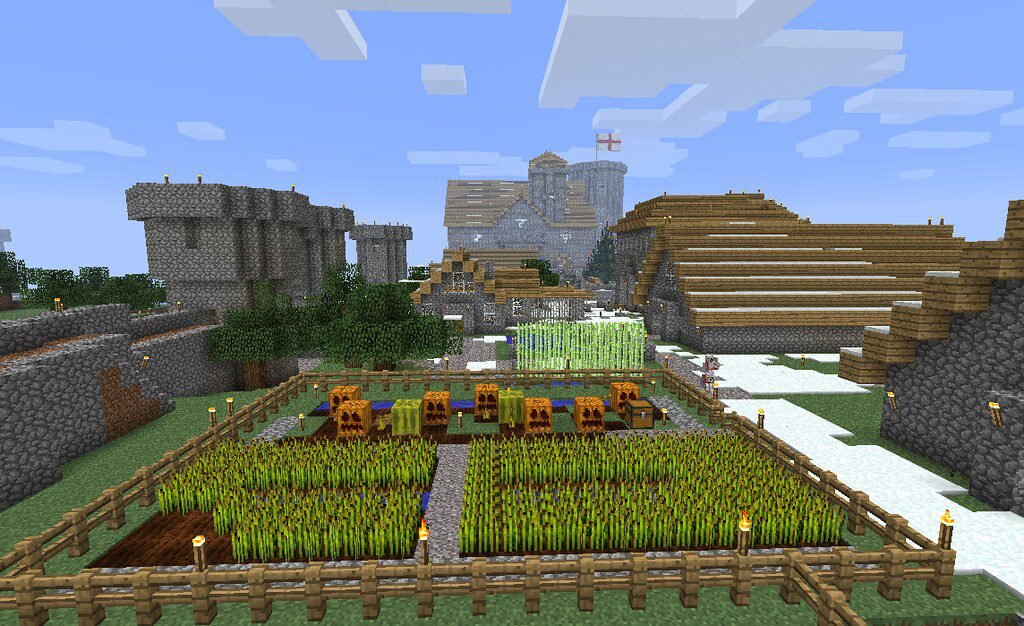
- Minecraft: Initially a small independent project by Markus Persson, Minecraft has proven to be the best-selling game of all time. This game has an open-world “sandbox” aspect that latches onto the human need to create and explore, making it an ageless game for players around the world.
- Journey: This 2012 game replaces conventional gameplay with virtual emotions as players are sent on an epic quest to reach a towering, lonely mountain in a gorgeously designed world. Its art, music, and social interaction make for a stirring, unforgettable experience.
- Cuphead: With its hand-drawn 1930s cartoon visuals and maddeningly difficult gameplay, Cuphead demonstrates how concept and game mechanics can converge in a low-budget indie title and win everybody’s heart.
- Five Nights at Freddy’s: This horror game, which became a phenomenon in 2014 thanks to a new spin on jump scares and storytelling, would lead to a blockbuster franchise fed in large part by the YouTube and Twitch communities.
- Letters: A Written Adventure: A text-puzzle indie game experimenting with the idea of telling stories about growing up and learning to communicate; this depth of narrative is what indie games can accomplish.
Advantages and Disadvantages of Making an Indie Game
Pros:
- Indie Freedom: Of course, there are no publishers to tell you what you can or can’t do, so indie games have much more freedom to experiment with new gameplay or themed experiences.
- Improved Monetization: Monetization benefits the developer without giving a proportion to publishers.
- Pride: Taking a game from concept to market provides a great sense of fulfillment.
- Possibilities of Collaboration: Even though indie developers do not have to invariably collaborate with publishers, the agreement could still be made at a later stage.
Cons:
- No one to help: Many indie developers do everything themselves, from coding the game to promoting it.
- Time-Consuming: It’s a long process, as it can take years to develop and validate a game.
- Media Coverage Hard: Large publishers rule the gaming media, making it hard for indies to get their games covered.
Indie Game Dev Essentials
Developing an indie game is a multi-faceted endeavour that entails juggling creative, technical, and business challenges:
- Creative Vision: At the core of an indie game is the developer’s original concepts − ground-breaking mechanics, artistic style, and storytelling that differentiate it.
- Budget: Indie developers usually run tight budgets that have to be spread between tools, marketing, distribution, etc.
- Team Structure: Frequently, small teams or solo developers perform multiple tasks, such as programming, art design, and marketing.
- Development tool: You bought Unity, 2.5D build & Spin 3D Engine, and Unreal Engine 4 are cheap and powerful, so they are well-known.
- Community Engagement: The early feedback of players from forums, social media, or even early access is very important.
- Marketing & Promotion: Indie devs need to do plenty of social media, influencer, and gamefest legwork.
- Distribution Platforms: Steam, itch. Io, the Epic Games Store, and more offer access to worldwide audiences.
- Player Support – Providing timely assistance and multilingual support will enhance user experience and retention.
- Legal & Business: Understanding how to manage intellectual property, contracts, and licensing is critical to help businesses avoid legal potholes.
What Does It Cost?
It can be surprisingly expensive to create an indie game. Forward Game Studios’ Michael Crassweller usually works with a million-dollar budget, like many indie projects today. This is a reflection of IRL salaries—good programmers can already command over $100,000 per year, which can make it challenging for underfunded organizations to hire good talent.
The budget for an indie game can be in the millions of dollars, and this is to ensure that developers have a stable life. Other than salaries, costs can involve marketing, legal fees, licensing, exhibitions, outsourcing, taxes, and so on. A lot of indie projects start out as passion projects pursued or personal sacrifices made, but practical budget projection is what gets games made.
FAQs
-
On which platforms are indie games available?
Indie games can arrive on any platform — PC (on storefronts like Steam, Epic Games Store, itch. io), as well as on game consoles such as PlayStation, Xbox, and Nintendo Switch, and to an extent, mobile as well (iOS and Android). Indie games have the advantage of being available on a variety of platforms.
-
How long does it usually take to create an indie game?
Development times range from several months to years, depending on the breadth and amount of the task force. Smaller indie games can take a couple of months to make; bigger or more complex titles can take longer, in some cases, a few years. Single developers can do more due to fewer resources.
-
Indie games can be as good as AAA games?
Absolutely! While indie games may lack the huge budgets and high-end graphics of AAA titles, many surpass them in creativity, storytelling, and innovative mechanics, offering unique gaming experiences that equal, if not surpass, mainstream games in both emotional impact and innovation.
-
How do independent developers promote their games?
Indie developers regularly use advertising through social media, partnering with game-related sites or companies, and attending video game trade fairs as means of promoting their games. Hitting the ground, FX indie marketing is all about creating a community and involving people early on.
-
Do indie games cost less than AAA games?
Generally, yes. Whether due to smaller size, budget, or both, indie games typically are cheaper than AAA games. But there is a range of prices, and great indie games offer hours of deep, innovative gameplay at lower price points.