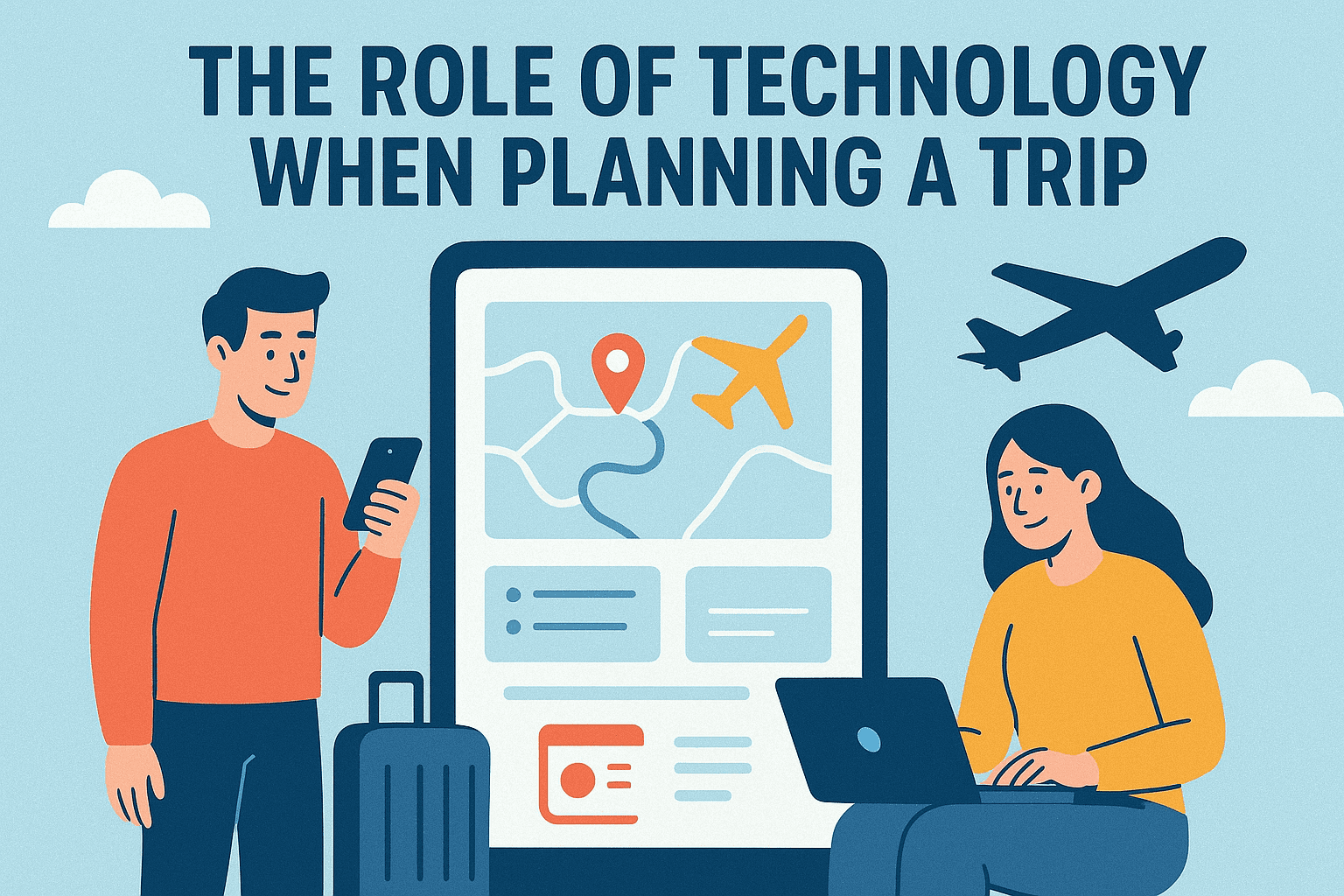
The Role of Technology When Planning a Trip
Planning a trip has changed dramatically over the past decade. Where once it involved stacks of guidebooks, phone calls to travel agents, and hand-written itineraries, today it’s often managed entirely on a smartphone or laptop. Technology has not only simplified the process but also opened up more opportunities for personalization, convenience, and efficiency. From booking flights to finding local experiences, digital tools have become indispensable for travelers worldwide.
The Role of Technology When Planning a Trip
Researching Destinations with Ease
One of the first steps in planning any trip is deciding where to go. In the past, travelers relied heavily on word-of-mouth recommendations or traditional travel brochures. Now, technology makes destination research quick and accessible. Websites, blogs, and interactive maps allow people to compare different locations, look up weather conditions, and even view real-time images of popular landmarks. Virtual tours and video content provide a sense of place before travelers even set foot on the ground, helping them make confident choices.
Booking Flights and Accommodation
The rise of online booking platforms has transformed how we arrange flights and hotels. Instead of calling airlines or waiting in line at travel agencies, travelers can now search for the best deals with just a few clicks. Many booking sites and apps compare prices across multiple providers, giving people greater transparency and flexibility. This ease of comparison also allows travelers to adapt their plans quickly if costs change, ensuring they get the most value for their budget. With mobile apps, reservations and confirmations are stored in one place, reducing the risk of losing important travel documents.
Organizing Travel Documents
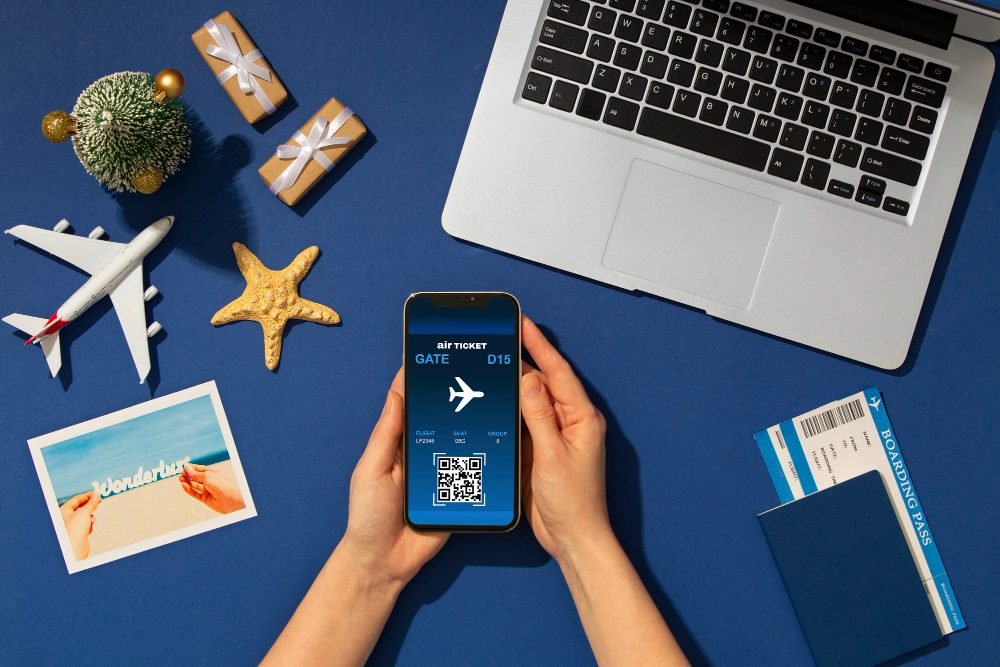
One area where technology has made an especially strong impact is in the management of travel documents. Passports, visas, boarding passes, and health records can now be digitized and stored securely, reducing the need for bulky folders or printed copies. For those in need of last-minute travel solutions, platforms such as urgentpassport.com provide fast and reliable services to help travelers get essential documents on time. These innovations save effort and also prevent stress when unexpected circumstances arise.
Creating Flexible Itineraries
Modern travel planning tools allow people to design and customize itineraries according to their unique interests. Calendar apps, mapping software, and itinerary planners give travelers the ability to schedule activities, plot routes, and keep track of reservations all in one place. Unlike traditional travel plans, digital itineraries are highly adaptable: changes can be made instantly, and updates are accessible from any device. This flexibility is particularly valuable when dealing with unforeseen events, such as flight delays or changes in weather conditions.
Enhancing Communication Abroad
Staying connected while traveling has become easier thanks to advances in technology. Translation apps allow travelers to communicate with locals even without knowing the language, and messaging platforms help them keep in touch with family and friends back home. Wi-Fi availability and international data plans ensure access to maps, ride-hailing services, and emergency resources. This level of connectivity not only increases safety but also adds to the overall enjoyment of the journey by making it easier to explore unfamiliar places.
Accessing Local Experiences
Beyond logistics, technology also enriches the travel experience itself. Mobile apps and online platforms connect travelers with authentic local activities, guided tours, and cultural events. Instead of relying solely on generic tourist spots, people can discover hidden gems recommended by locals. Social media platforms also play a role, inspiring travelers with real-time experiences shared by others and offering instant feedback on where to eat, shop, or explore. This democratization of travel information ensures more diverse and memorable adventures.
Sustainable Travel Choices
Another growing area where technology influences trip planning is sustainability. Eco-conscious travelers now have access to apps and platforms that highlight green hotels, low-emission transportation options, and environmentally friendly activities. This empowers people to make choices that align with their values, supporting responsible tourism. With technology providing transparent information, travelers can better balance their desire for exploration with the need to protect the planet.
Summing Up
Technology has become a cornerstone of modern travel, reshaping how people plan, organize, and experience their journeys. From researching destinations and securing travel documents to creating flexible itineraries and discovering unique local experiences, digital tools offer unparalleled convenience and peace of mind. While the human spirit of adventure remains unchanged, technology ensures that each trip can be smoother, safer, and more tailored to individual needs than ever before.