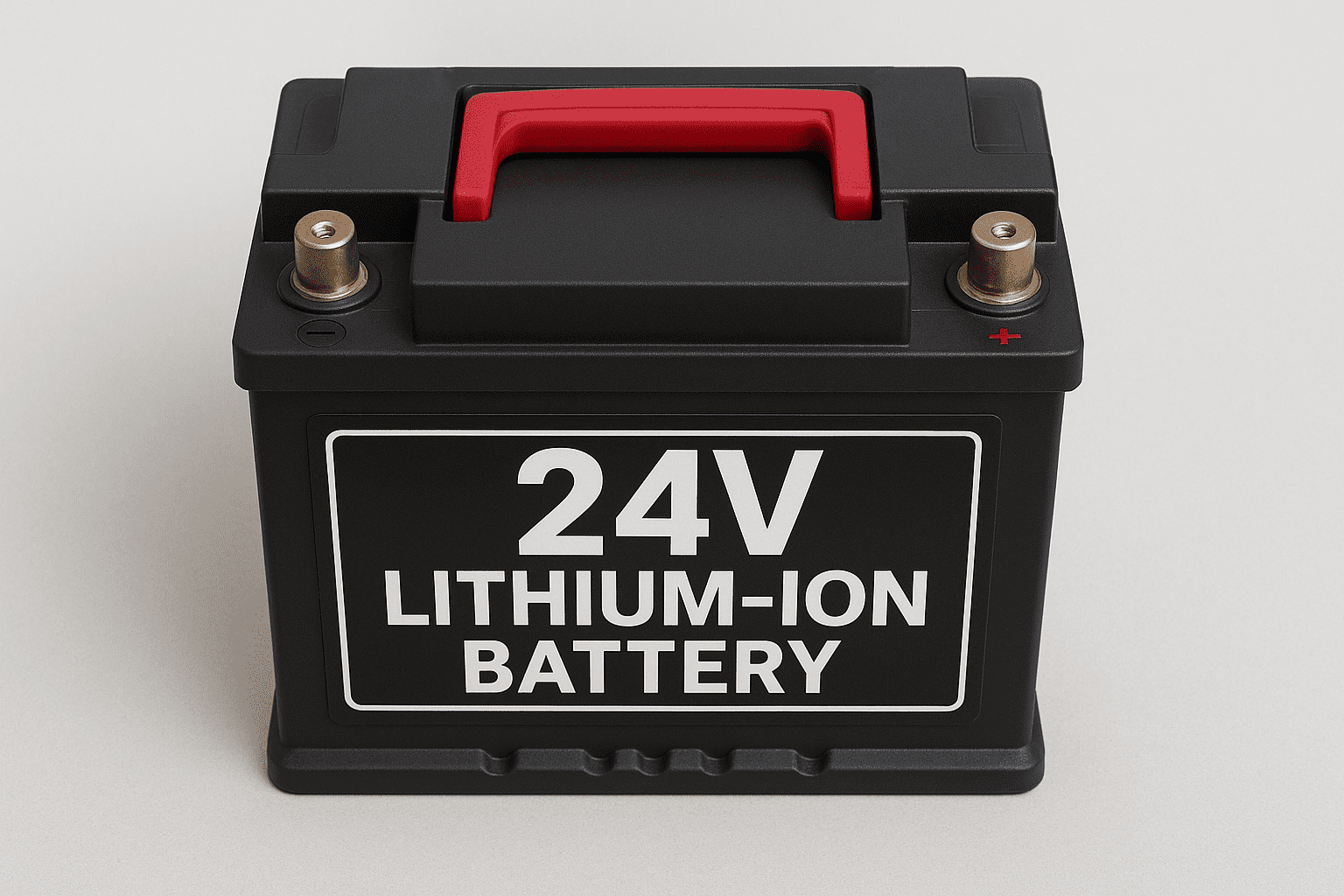
Unlock Sustainable Power with 24v Lithium Ion Batteries
- 1 Why 24v Lithium Ion Batteries? The Core of Modern Energy Solutions
- 2 Environmental Advantages: Powering a Greener Future
- 3 Mastering Deep Discharge Cycles for Maximum Longevity
- 4 Solar Batteries Revolution: Integrating 24v Lithium Ion Systems
- 5 Choosing Your Ideal 24v Lithium-Ion Battery
- 6 Powering Tomorrow: The Future of Sustainable Energy Storage
In an era where energy sustainability meets technological innovation, the limitations of traditional power systems are becoming increasingly apparent. As climate concerns grow and energy demands evolve, forward-thinking solutions are no longer optional—they’re essential. Enter 24v lithium-ion batteries, a transformative technology reshaping how we think about and use energy. These advanced power storage systems represent more than just an upgrade from conventional batteries; they’re a gateway to energy independence and environmental responsibility.
With their remarkable efficiency, extended lifespan, and minimal environmental impact, 24V lithium-ion batteries are empowering homeowners and businesses to take control of their energy future. Whether you’re looking to reduce your carbon footprint, ensure a reliable power supply, or optimize your renewable energy system, these innovative batteries offer a compelling solution that aligns with both environmental consciousness and practical energy needs.
Why 24v Lithium Ion Batteries? The Core of Modern Energy Solutions
24V lithium-ion batteries represent a significant advancement in energy storage technology, operating at an optimal voltage that bridges the gap between residential and commercial power needs. Unlike traditional 12V systems that struggle with higher power demands, or 48V systems that can be excessive for many applications, 24V strikes the perfect balance for most energy storage requirements.
These batteries pack substantially more energy into a smaller footprint, achieving energy densities up to four times greater than conventional lead-acid alternatives. This higher density translates to more stored power in less space, making them ideal for both space-constrained installations and scalable energy solutions.
The 24V configuration also offers superior efficiency in power conversion, reducing energy loss during charging and discharging cycles. When compared to older technologies, these batteries eliminate common issues like sulfation, acid stratification, and the need for regular maintenance. Their advanced battery management systems (BMS) provide real-time monitoring and protection, ensuring optimal performance while preventing common failure modes that plague traditional batteries. This combination of higher voltage, increased energy density, and intelligent management makes 24V lithium-ion batteries the cornerstone of modern sustainable power systems.
Environmental Advantages: Powering a Greener Future
The environmental impact of 24V lithium-ion batteries extends far beyond their immediate energy storage capabilities. These advanced power systems significantly reduce greenhouse gas emissions by enabling greater adoption of renewable energy sources and minimizing reliance on fossil fuel-based power generation. Unlike traditional lead-acid batteries, modern lithium-ion cells contain no toxic heavy metals like cadmium or mercury, substantially reducing environmental hazards during production and disposal. Their exceptional durability, lasting up to 15 years in typical applications, dramatically decreases battery waste compared to conventional alternatives that require replacement every 3-5 years.
The recyclability of lithium-ion batteries has also improved substantially, with up to 95% of their components being recoverable and reusable in new battery production. This circular economy approach helps conserve valuable resources while minimizing mining impacts. Furthermore, their higher energy efficiency means less power is wasted during charging and discharging cycles, reducing overall energy consumption. As global demand for sustainable energy solutions continues to grow, these batteries play a crucial role in enabling the transition to renewable energy systems, supporting everything from residential solar installations to large-scale grid storage projects.
Mastering Deep Discharge Cycles for Maximum Longevity
Understanding deep discharge cycles is crucial for maximizing the potential of 24V lithium-ion batteries. Unlike traditional lead-acid batteries that deteriorate rapidly with deep discharges, lithium-ion technology maintains exceptional performance even when regularly discharged to 20% capacity. This remarkable durability translates to over 5,000 complete charge-discharge cycles while maintaining 80% of original capacity – a performance metric that far surpasses conventional batteries. The key lies in the advanced chemistry and sophisticated battery management systems that protect against harmful deep discharge events while optimizing energy utilization.
Practical Tips: Extending Battery Cycle Life
To maximize your battery’s lifespan, maintain operating temperatures between 20-25°C (68-77°F) for optimal performance. Set charging voltage limits to 29.2V for standard charging and never exceed 29.6V for bulk charging phases. For everyday use, avoid discharging below 20% state of charge, though occasional deeper discharges won’t cause significant harm. Regular partial cycles between 30% and 80% state of charge can extend overall battery life compared to full discharge cycles. Implement active temperature management systems in extreme climates, and ensure proper ventilation around battery installations to prevent heat buildup.
Solar Batteries Revolution: Integrating 24v Lithium Ion Systems
The integration of 24V lithium-ion batteries with solar power systems marks a revolutionary advancement in sustainable energy management. Leading manufacturers like Anern have pioneered systems that excel in converting and storing solar energy with unprecedented efficiency, achieving conversion rates up to 98% compared to traditional battery systems. Their superior charge acceptance rate allows them to capture more available solar power during peak production hours, while their stable voltage characteristics ensure optimal performance with modern solar inverters. In residential applications, these systems provide reliable backup power during grid outages while enabling homeowners to maximize self-consumption of solar energy.
Installation Walkthrough: Solar + Battery Setup
A successful solar battery integration begins with proper system sizing and component selection. Start by installing the battery bank in a clean, ventilated area, maintaining proper clearance for cooling. Connect the battery management system first, ensuring all monitoring sensors are properly placed. Install the solar charge controller between the panels and batteries, configuring it specifically for lithium-ion chemistry. Connect the inverter to both the battery bank and your home’s electrical panel through appropriate safety disconnects. Implement system monitoring by connecting the BMS to your home network, allowing real-time performance tracking and remote management capabilities. Always verify polarity before making final connections and install proper circuit protection devices at all critical points.
Choosing Your Ideal 24v Lithium-Ion Battery
Selecting the right 24V lithium-ion battery requires careful consideration of both capacity requirements and application-specific demands. When evaluating capacity, focus on kilowatt-hours (kWh) rather than amp-hours (Ah) for a more accurate power assessment. A typical residential backup system requires 10-15kWh capacity, while RV applications might need 2-5kWh. The battery’s charge rate, expressed as C-rate, should match your charging source capabilities – solar installations benefit from batteries accepting 1C or higher charge rates. Quality battery management systems (BMS) are non-negotiable; look for systems offering cell-level monitoring, temperature protection, and remote diagnostics.
For marine applications, choose batteries with IP67 water resistance ratings and corrosion-resistant casings. RV installations demand compact form factors and shock resistance certifications. Solar applications require batteries optimized for deep cycling with high round-trip efficiency ratings above 95%. When comparing brands, evaluate their thermal management capabilities, warranty terms, and cycle life guarantees. Consider scalability options – some systems allow parallel connection for future capacity expansion. The ideal battery should also feature CAN bus communication for seamless integration with existing power systems and smart home technologies.
Powering Tomorrow: The Future of Sustainable Energy Storage
The transition to sustainable energy solutions has never been more crucial, and 24V lithium-ion batteries stand at the forefront of this revolution. These advanced power storage systems represent the perfect synthesis of environmental responsibility and technological innovation, offering unmatched performance while minimizing ecological impact. Their superior energy density, extended lifespan, and remarkable efficiency make them the cornerstone of modern renewable energy systems.
For homeowners and businesses ready to embrace energy independence, the path forward is clear: investing in 24V lithium-ion technology not only ensures reliable power storage but also contributes to a more sustainable future. As we look ahead, these batteries will continue to evolve, enabling even more sophisticated renewable energy ecosystems and smart grid integration. The time to act is now – by adopting this technology, you’re not just securing your energy future, you’re participating in a global movement toward cleaner, more sustainable power solutions. Take the first step toward energy independence and environmental stewardship by exploring how 24V lithium-ion batteries can transform your power management strategy.