Safe Rodent Tools And Strategic Prevention Tips
- 1 Identifying Rodent Presence Early
- 2 Using Safe Rodent Tools
- 2.1 Rodent Traps
- 2.2 Bait Stations
- 2.3 Rat Vacuum Systems
- 2.4 UV Tracking Powder
- 2.5 Wire Mesh
- 2.6 Placement Tips for Best Results
- 2.7 Sealing and Preventing Entry
- 2.8 Strategic Advice for Different Environments
- 2.9 Table: Safe Rodent Tools and Their Uses
- 2.10 Process for a Safe and Effective Setup
- 3 Avoiding Harm to Non-Target Species
- 4 Final Thoughts
Even the slightest gaps allow rats to enter dwellings, and they sometimes go undetected until severe damage has been done. These pests can easily locate food, cover, and breeding places in both urban and rural areas. Effective preventative techniques combined with safe rodent control equipment can have a significant impact. Resources like Rodent Stoppers provide insight into practical, non-chemical solutions.
The goal is to eradicate rats, not only capture them permanently. This calls for the use of equipment like wire mesh, mouse traps, UV tracking powder, and appropriate sealing in addition to careful monitoring and preventative techniques.
Identifying Rodent Presence Early
Droppings, chew marks, nighttime scratching sounds, and the smell of urine in enclosed areas are all early indicators of a rodent infestation. Their movements can also be detected by tracks in soft soil or dust, indicating where they have been caught. Seek out:
- Gaps in walls, floors, or roof edges
- Chewed holes in food storage containers
- Rodent nests made of shredded paper or other materials
- Dark marks along walls where rodent fur oils leave traces
Corrective action can be conducted more quickly if these indicators are identified early.
Using Safe Rodent Tools
Rodent Traps
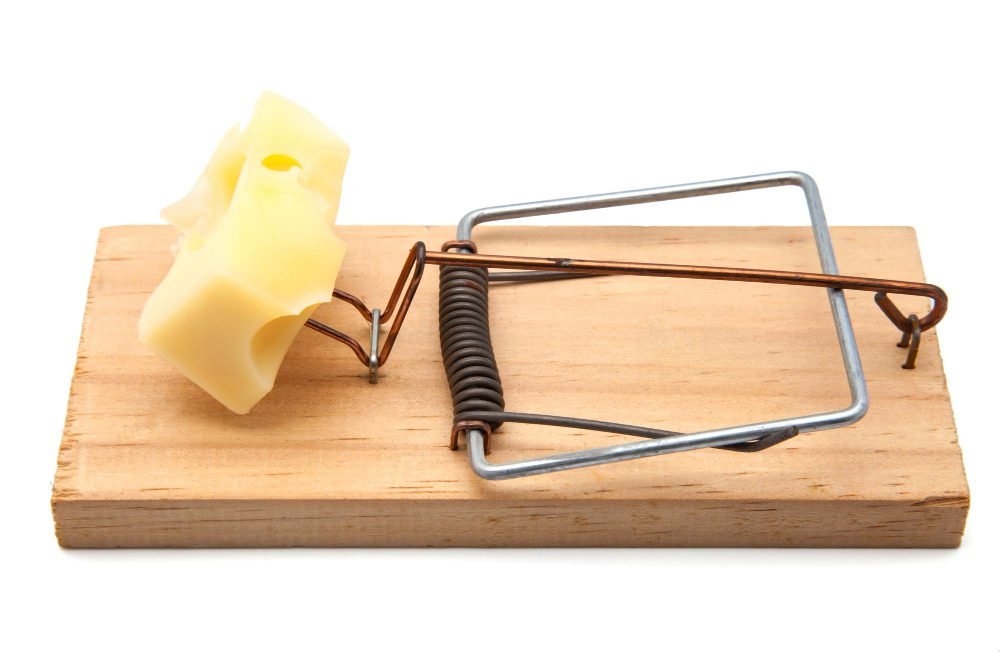 A dependable way to capture mice and rats is with rodent traps, which are effective for catching these pests. Avoid placing traps in open areas where pets or kids may come into contact with them; instead, place them along walls where rats frequently go.
Bait Stations
By keeping the bait contained, bait stations lessen the danger to non-target animals like possums and stray cats in an urban environment. To ensure that only small animals, such as mice and rats, can access the bait, they should be placed near rodent entry points and protected.
Rat Vacuum Systems
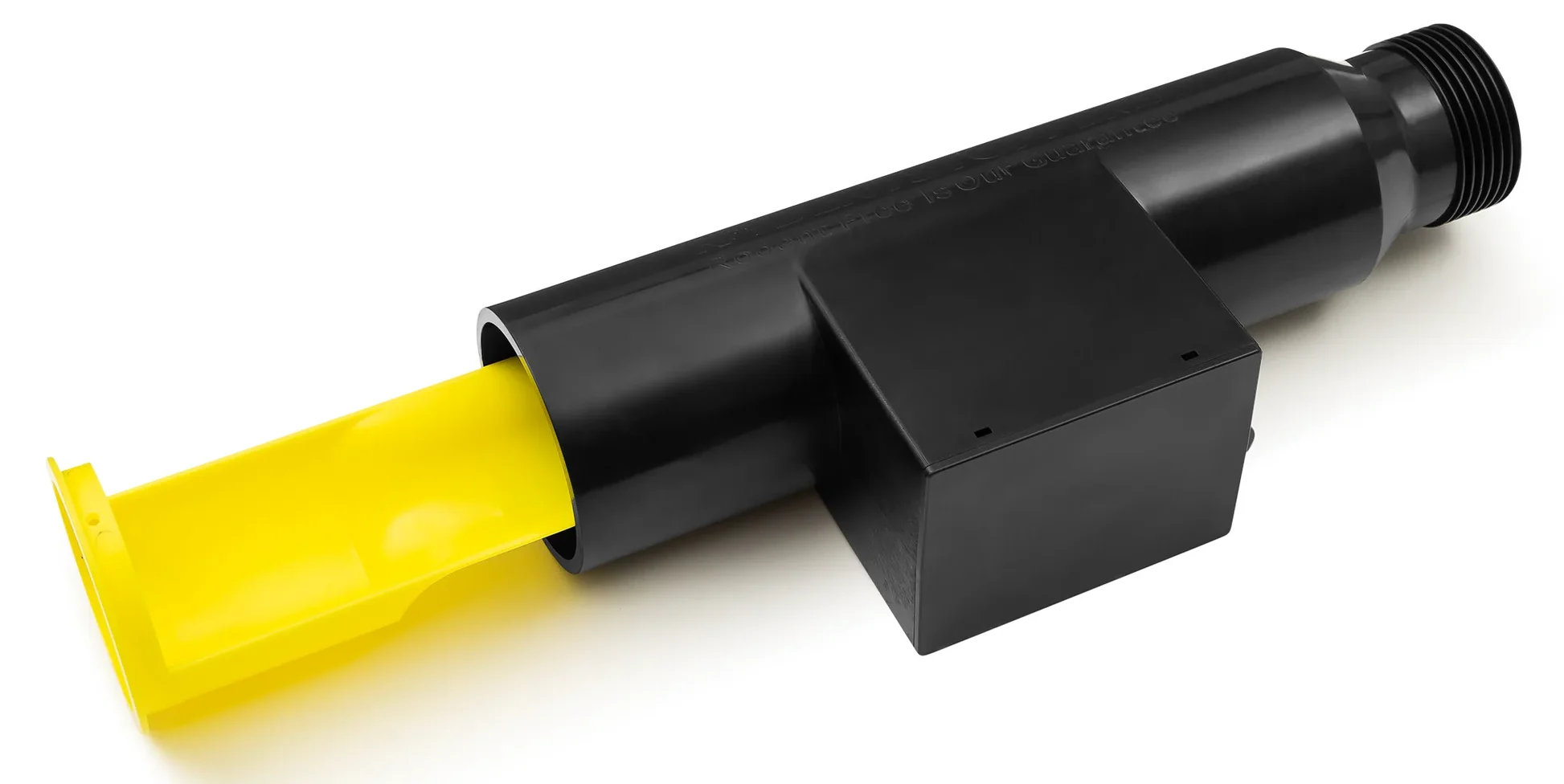
A rat vac machine extracts rats from difficult-to-reach places by using suction. When removal is the aim, this approach works well; however, if relocation is the goal, caution should be used to prevent harm to the animal. Humane disposal techniques should be used in compliance with local laws if permanent removal is needed.
UV Tracking Powder
A visible trail is left on a rodent’s feet and hair by UV tracking powder, which facilitates movement tracking. This aids in locating transit routes, hiding places, and ports of entry. Use a UV light or a cam to expose the glowing trails after applying a tiny bit of powder along suspected routes.
Wire Mesh
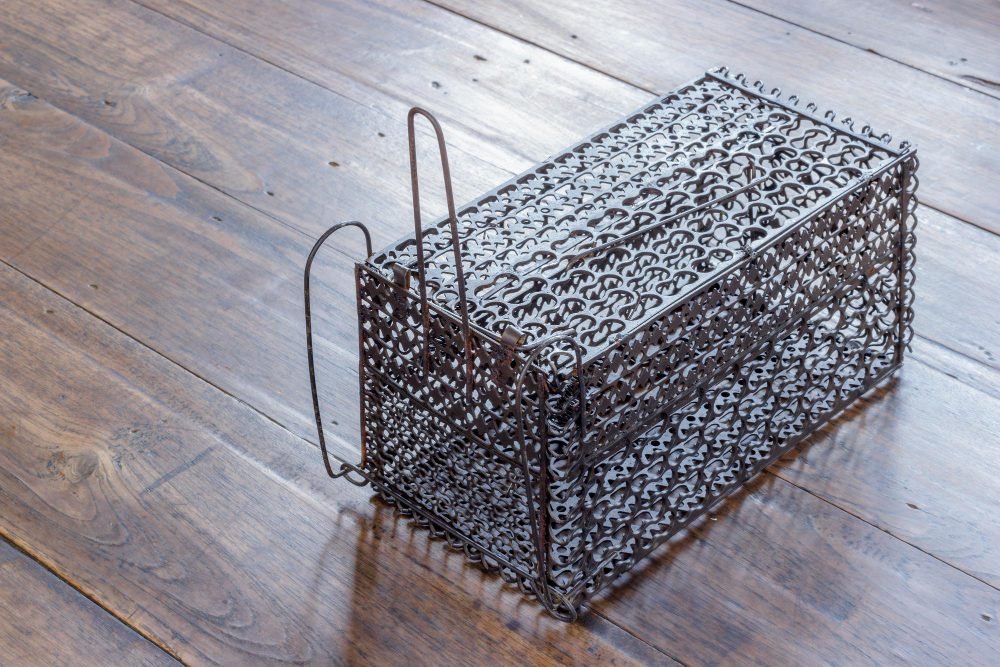
Seal crawl spaces, vents, and other holes with sturdy wire mesh. The mesh should be sufficiently fine to prevent entry by mice and juvenile rats. Make sure the mesh is firmly fastened to avoid easy removal.
Placement Tips for Best Results
- Place traps or bait stations along walls, near droppings or signs of activity.
- Ensure escape routes are not blocked before setting all devices
- Use UV tracking powder first to identify the most active routes for rodent movement
- Install wire mesh only after removing any existing rodents to prevent trapping them insidethe walls
- For using the rat vacuum, clear the area of clutter to allow the device to function effectively
Sealing and Preventing Entry
Even a gap of a quarter-inch aperture may be squeezed by a rodent. Broken vents, holes in walls, and spaces beneath doors are examples of common entry locations. How to seal:
- Identify all gaps and holes using UV tracking powder or camera traps to confirm active areas
- Fill larger gaps with chew-resistant materials like steel wool before covering with mesh
- Repair damaged lids, plates, or coverings on outdoor garbage bins to prevent access
- Bury wire mesh several inches into the ground around sheds or coops to block digging
The best results from prevention come from a clean, clutter-free atmosphere that is suitable for deterring rodents. To reduce rodent food sources, secure pet food, dispose of trash promptly, and remove fallen fruit.
Strategic Advice for Different Environments
Urban Areas – Problems with rodents may develop swiftly in buildings with common walls. Close any openings, no matter how tiny, and keep an eye out for activities in the common trash areas.
Rural Areas – Logs, decaying wood, and storage spaces are all attractive to rodents. Store animal feed in airtight containers and keep these spaces tidy.
Around Water Sources – Clogged drains and standing water might draw rats looking for water. To reduce activity, keep spaces dry and unclog any drains.
Table: Safe Rodent Tools and Their Uses
| Tool / Device | Purpose | Best Placement / Use |
| Rodent Traps | Catch rodents quickly | Along walls, near droppings |
| Bait Station | Contain baits safely | Near access points, hidden from pets |
| Rat Vacuum | Remove rodents from hidden spaces | Attics, crawl spaces |
| UV Tracking Powder | Detect rodent movement | Suspected travel paths |
| Wire Mesh | Block entry points | Vents, doors, crawl spaces |
Process for a Safe and Effective Setup
- Inspect: Look for signs of rodent activity such as droppings, gnaw marks, or nests.
- Plan: Choose the right mix of tools based on your property type.
- Set: Place traps, bait stations, or tracking powder at targeted locations.
- Seal: Use wire mesh or other materials to close gaps and seal entry points.
- Test: Monitor activity using UV light or cameras.
- Maintain: Recheck traps, mesh, and seals regularly to ensure effectiveness.
Avoiding Harm to Non-Target Species
Bait and traps should always be placed in areas that are inaccessible to children, pets, and wildlife. To avoid mishaps with non-target species, use high locations or enclosed bait stations.
Final Thoughts
Adopting safe rodent management methods, including traps, tracking powder, and preventative barriers, may considerably decrease the likelihood of rodent infestations without needless damage. Consistent monitoring, routine maintenance, and sealing access sites with preventative measures against feral cats are essential for long-term effectiveness.
FAQs
How can I tell if rodents are entering my property at night?
To record their movements at night, set up UV tracking powder or use motion-activated cameras.
How can a bait station be used most safely?
Make sure the bait station is out of children’s and dogs’ reach by placing it close to access points. To avoid unintentional openings, secure the lid.
Can a rat vacuum remove all rodents at once?
A rat vacuum can remove many rats in the specified area; however, complete removal may require numerous sessions.
Why use wire mesh instead of wood?
Rodents quickly chew wood, while wire mesh is far more resilient and long-lasting, guaranteeing effects that last outside.