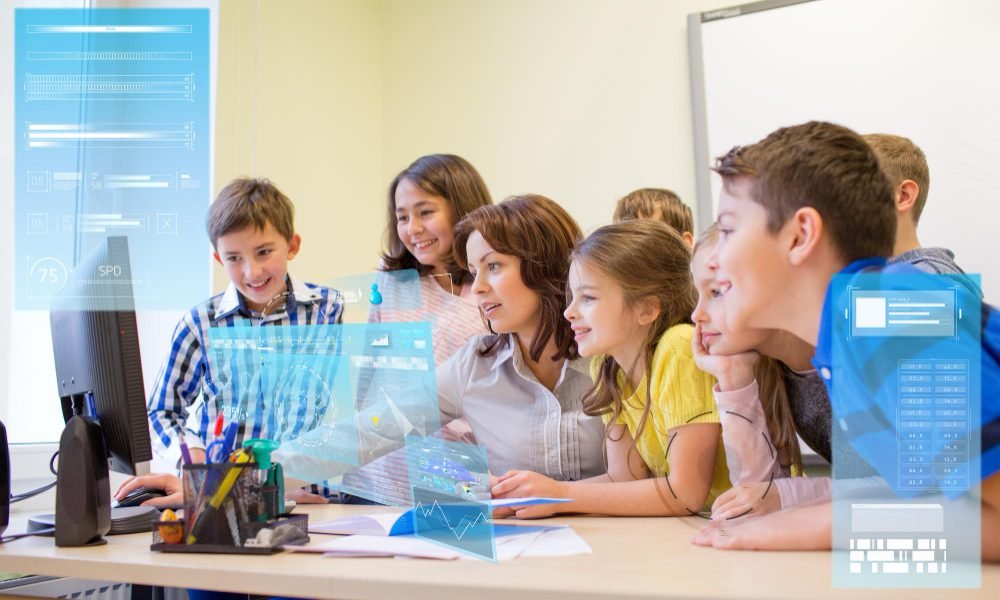
How Tech Is Transforming High School
- 1 The Role of Tech In Transforming High School
- 1.1 The Rise of Digital-First Learning
- 1.2 Personalization Over Standardization
- 1.3 Reaching Rural and Remote Communities
- 1.4 Tech as a Bridge, Not a Shortcut
- 1.5 Learning on Their Terms
- 1.6 The Parent-School Tech Link
- 1.7 More Than Just a Video Call
- 1.8 What Students Think
- 1.9 Measuring Growth Beyond Grades
- 1.10 The Hybrid Future Is Already Here
- 2 What Comes Next for Canadian Classrooms
The traditional classroom isn’t extinct, but it’s evolving fast. Across the world, students are logging in instead of lining up for the bell.
From asynchronous coursework to accredited virtual programs, technology is reshaping how and where learning happens. At the forefront of this shift is Ontario Virtual School, a leader in online high school education that’s helping students personalize their learning journey without sacrificing standards or structure.
The Role of Tech In Transforming High School

The Rise of Digital-First Learning
Online education is no longer a novelty. It is a mainstream solution for students who need flexibility, autonomy, or a different pace. Whether they are elite athletes, performers, or simply looking for a more personalized experience, students are choosing online schools to meet their goals. According to the 2023 Pan-Canadian Digital Learning Survey, students increasingly value flexible access to coursework, self-paced learning, and technology-driven instruction that supports their individual needs.
Personalization Over Standardization
Traditional classrooms often follow a one-size-fits-all model. But tech-powered education flips that structure. With online platforms, students can replay lessons, schedule their study time around other commitments, and receive one-on-one support when they need it.
Virtual learning also supports neurodiverse students or those recovering from illness. With fewer distractions and more flexibility, students can thrive without the stress of rigid schedules.
Reaching Rural and Remote Communities
Canada’s geography has always posed challenges to equal education access. Virtual learning helps level the playing field. With a reliable internet connection, students in remote communities can access the same quality of instruction as their urban peers.
Tech as a Bridge, Not a Shortcut
Online learning works best when supported by strong digital infrastructure, thoughtful design, and clear learning outcomes. Tools like video lessons, interactive quizzes, and online office hours replicate the support of a traditional school in a more accessible format.
This is not about cutting corners. It is about using technology to bridge gaps and expand access.
Learning on Their Terms
Not all students thrive under fluorescent lights and a 7:45 a.m. start. Tech-powered classrooms let them structure learning around their lives, not the other way around.
One week, that might mean finishing English assignments late at night. Next, it could be tackling science while travelling. It’s not chaos. It’s a choice. And for many students, that choice leads to better focus, deeper understanding, and less burnout.
The Parent-School Tech Link
Digital learning doesn’t lock parents out. It lets them in without needing to micromanage.
With most virtual platforms, parents can:
- Monitor real-time progress
- See upcoming assignments and due dates
- Communicate directly with teachers
- Support without hovering
It’s collaborative, not controlling. And it helps families stay aligned without the guesswork.
More Than Just a Video Call
Let’s bust a myth: online school isn’t a sad PowerPoint and a muted class.
A strong virtual setup includes:
- On-demand video lessons
- Interactive tools like quizzes and simulations
- Forums or office hours for live support
- Mobile-first platforms for learning anywhere
The tech isn’t a replacement. It’s a multiplier. Done right, it turns digital classrooms into full learning environments that rival in-person instruction.
What Students Think
The best insights don’t come from surveys or policy docs. They come from the students themselves.
“I don’t feel like I’m always behind.”
“I can learn without pretending to be okay every day.”
“This feels more like my pace.”
That feedback tells a bigger story: virtual learning doesn’t just help students keep up. It helps them catch their breath.
Measuring Growth Beyond Grades
Success used to mean showing up, sitting still, and hitting deadlines. Now? It’s more nuanced.
Virtual learning tracks progress, yes, but it also helps students:
- Build self-discipline
- Develop time management skills
- Learn how to ask for help when you need it
- Practice independence before post-secondary life hits
The goal isn’t just academic achievement. Its capability.
The Hybrid Future Is Already Here
While fully virtual learning works for many, a growing number of students are doing online courses with personal experience. This hybrid approach is especially popular among students who want to fast-track certain credits, recover missed ones, or supplement gaps in their school’s local curriculum.
Why hybrid learning is gaining traction:
- Students in smaller schools can access courses not offered locally (think physics, AP subjects, or languages)
- Teens with part-time jobs or caregiving responsibilities can manage their schedules more effectively
- Rural students can combine online high school with co-op placements or trades programs
It’s not about replacing traditional school. It’s about expanding it. And this shift isn’t limited to K–12. A recent WCET analysis of Canadian digital education trends found that more than 80% of post-secondary institutions expect continued growth in blended learning models, highlighting how hybrid delivery is becoming a national standard across all education levels.
What Comes Next for Canadian Classrooms
As virtual learning gains ground, more students are seeing it not as an alternative but as a smart first choice. Parents are exploring options that better suit their children’s needs, and educators are rethinking what engagement looks like in a digital space.
The future of high school in Canada is not tied to a building. It is tied to outcomes, support, and adaptability.